Reviewed · PRIVATE
6 Days Private Tour in Romania Spectacular Places from Bucharest
Romania packs an astonishing range of sights into six days: royal castles, Dacian ruins, Saxon churches, salt mines, mountain roads, and Dracula lore. This private tour with Nicolas as your guide and driver is built for seeing a lot without having to manage the route yourself.
I like the flexibility and the broad mix of places. You can adjust the daily plan even after the tour begins, and the route includes both famous stops and lesser-known sites such as Densus Church and Rupea Fortress. I also like the personal feel: your group travels alone in a private car or minibus, with Wi-Fi included.
The main drawback is the pace. Several days cover large areas, and some stops are short or separated by long road journeys. Entrance fees, hotels, meals, and drinks are extra, so the headline price is not the final cost of the holiday.
Key points to know before booking
- Six days, one private vehicle: Your group travels with an English-speaking guide and driver, rather than joining a large coach.
- A wide slice of Romania: The route includes Bucharest-area sights, Transylvania, Cluj-Napoca, the Carpathians, and Sibiu.
- Strong castle lineup: Peles, Bran, Corvin Castle, Poienari, and Rupea each show a different side of Romanian power and legend.
- Real walking is involved: Poienari requires about 1,400 steps, and Cheile Turzii includes a two-hour nature outing.
- Nicolas shapes the trip: His style includes detailed historical explanations, humor, and flexibility with the daily schedule.
- Budget for extras: Admission tickets, accommodation, meals, and beverages are not included, though hotel recommendations and bookings are available.
What this private Romanian road trip does well
This is not a slow stay in one Transylvanian town. It is a moving tour across central Romania, designed for people who want a strong first look at the country and do not mind changing scenery often.
The route has a useful balance. You get the famous places many first-time visitors want, including Bran Castle and the Transfagarasan Highway. You also get sites that reward curiosity, such as Biertan Fortified Church, Densus Church, Sarmizegetusa Regia, and Alba Carolina Citadel.
Nicolas is an important part of the experience. His guiding style is described as enthusiastic, humorous, and full of detailed explanations about Romanian history and culture. That matters here because many sites need context. A medieval wall can look like an old stone structure until someone explains who built it, what threat it faced, and why it still matters.
The private format also changes the feel of the trip. You can ask questions, stop to take photographs, and request changes to the plan. The tour allows changes even after the journey has started, a useful feature when weather, energy levels, or personal interests shift.
More six-day trips from Bucharest:
- Private 6-Day Dracula Tour in Transylvania from Bucharest
★ 5.0 · 4 reviews - Transylvania & Bucovina Private Tour – 6 days
★ 5.0 · 3 reviews - 6 Days Transylvania and Bukovina Small Group Tour from Bucharest
★ 4.5 · 3 reviews
Day 1: Snagov, Peles, and Sinaia
The opening day begins with the story of Vlad Tepes at Snagov Monastery. Local tradition holds that monks secretly brought Vlad’s remains here after his death and buried him in front of the altar. The account is controversial, which makes the stop more interesting than a simple Dracula photo opportunity.
You have about 90 minutes at the monastery. Admission is not included, so allow for that extra cost. This is a history and legend stop rather than a large attraction, and the appeal depends heavily on the explanation you receive.
Peles Castle is the day’s major sight. Built as the Romanian royal family’s summer residence, it is one of the country’s most celebrated castles. You have two hours here, enough time to appreciate the building and its royal setting without treating it as a quick roadside photograph.
I like the contrast between Snagov and Peles. One is tied to a disputed burial story and medieval memory. The other reflects monarchy, ceremony, and the tastes of a later royal era. Admission is separate, and the castle visit may be busy depending on the time of year, so ask Nicolas how the timing will work.
Sinaia Monastery is only about 500 meters from Peles Castle, making it an efficient final stop. The monastery is more than 300 years old and is often called the Cathedral of the Carpathians because of its mountain setting. You have 30 minutes here, enough for a focused visit rather than a long religious or architectural study.
Day 2: Brasov, Bran, and Rupea Fortress
Brasov gives you a two-hour break in a major Transylvanian city. The plan allows time to walk around the historic center and have lunch. This is one of the more relaxed parts of the trip, though two hours passes quickly if you want a meal, photographs, and a proper look at the old streets.
The city is a good place to reset after the castles of Day 1. You can use the stop for food and a short independent wander, then return to the vehicle ready for the next sight.
Bran Castle is the headline attraction. Popular culture links it with Dracula, but the castle’s appeal is broader than the fictional count. The visit gives you a chance to see one of Romania’s most recognizable medieval fortresses and learn why it became such a powerful national symbol.
You have two hours at Bran, with admission extra. This is a popular stop, so the private tour does not mean you skip the crowds inside the castle. What it does give you is control over the time before and after the visit.
Rupea Fortress offers a different mood. This fourteenth-century stronghold was restored in 2008 and presents itself as a rebuilt medieval citadel. You have an hour there. It is a useful counterpoint to Bran because the focus is on defensive architecture and restoration rather than literary fame.
Day 2 combines a city, a famous castle, and a hilltop fortress. It is appealing if you want variety, but it is not a day for lingering over one place.
Day 3: Saxon towns and the fortress of Alba Iulia
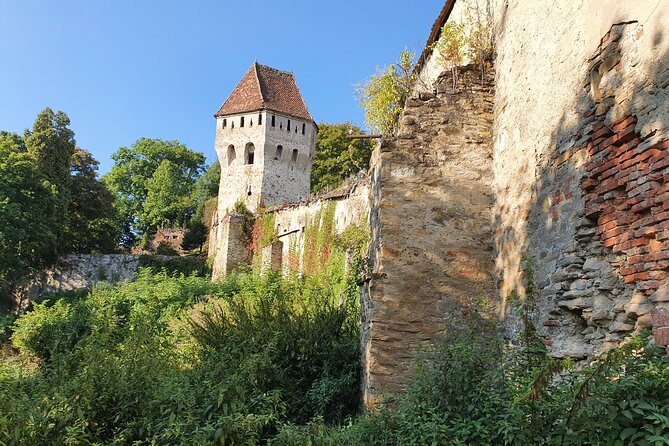
Biertan Fortified Church is one of the most distinctive stops on the route. The church sits on a hill in the center of town and is surrounded by three defensive walls and seven bastions. Its setting explains much about the Saxon communities that built fortified religious centers in Transylvania.
You have about an hour here. Admission is extra, and the visit works best when you take time to notice how the church and defenses fit together rather than rushing straight inside.
Alba Iulia brings you to Alba Carolina Citadel, a large Vauban-style fortress with a seven-corner star design and three lines of fortification. Two hours gives you more room to explore. The scale is impressive, and the site helps explain how military planning shaped Romanian cities.
Sighisoara closes the day with a clock tower and historic center. The Clock Tower began as a simple gate tower in the late thirteenth or early fourteenth century. It later gained additional levels and a Baroque roof after fire damage. The base walls were once more than two meters thick, a reminder that this was a serious defensive structure, not just a decorative city landmark.
The scheduled clock tower visit lasts 45 minutes, followed by two hours in the historic center. The old town portion is listed as a photo stop with free admission, so you should clarify how much walking and independent time will be possible.
This is one of the strongest culture days, but also one of the busiest. Biertan, Alba Iulia, and Sighisoara each deserve longer than the schedule can provide. The tradeoff is that you see three very different chapters of Transylvanian history in one day.
A few more Bucharest trips worth a look
- Bucharest: Palace of Parliament Tickets and Guide
★ 4.3 · 3,182 reviews - Bucharest: Palace of Parliament Tickets and Guided Tour
★ 4.4 · 1,877 reviews - Bucharest: Parliament Palace Skip-the-line Ticket
★ 4.2 · 1,518 reviews - Bucharest: City Highlights Guided Walking Tour
★ 4.9 · 1,482 reviews
Day 4: Densus, Dacian ruins, and Corvin Castle
Densus Church is one of the route’s most unusual buildings. The Orthodox church was built over the remains of an earlier structure dating to the fourth century, and its form developed over several periods. Inside, you can see mural paintings from 1443.
You have 45 minutes here. The stop is compact, but its strange mixture of reused materials, old walls, and changing architectural styles makes it worth the detour. It is not polished in the manner of a major royal castle, and that is exactly the point.
Sarmizegetusa Regia takes you farther back, to the former capital of the Dacian Kingdom. It served as a military, political, and religious center. Two hours gives you time to connect the site with the Dacians, an ancient people central to Romania’s national story.
The setting is part of the appeal, but the visit also asks you to use your imagination. Much of the meaning comes from understanding what the site once was, so Nicolas’s explanations will be especially useful here.
Corvin Castle, also called Huniade or Hunyadi Castle, brings the day back to the medieval period. It is one of the largest castles in Europe and has been restored after a major fire. Today it functions as a museum, giving you a chance to walk through a building shaped by military needs, noble power, and later restoration.
The visit lasts about 90 minutes, with admission extra. This is one of the most visually dramatic stops on the tour, but the short schedule means you will not study every room in detail.
Day 5: Salt mines, a gorge, and Cluj-Napoca
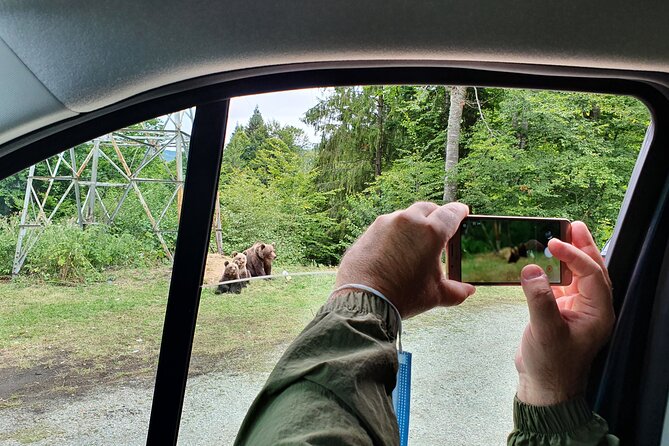
Salina Turda is one of the trip’s most unusual attractions. Salt mining here reaches back thousands of years, and the underground complex includes the Iosif, Terezia, and Rudolf mines. You can also see old mining machinery, including the crivac, a salt mill, an altar cut into the salt wall, and the Stairway of the Rich.
You have two hours underground. The saline air is often presented as helpful for people with allergies or asthma, but you should treat that as a feature of the environment, not a medical promise. Admission is not included.
Cheile Turzii adds a two-hour nature outing. The plan describes it as a hike where you may see wild birds. This is the most active portion of the day, so wear practical shoes and be ready for uneven outdoor walking. The tour data does not specify the trail difficulty, so ask Nicolas what route is planned.
The Alexandru Borza Botanical Garden in Cluj-Napoca covers more than 14 hectares and contains over 10,000 plants. Its Japanese Garden includes a brook and Japanese-style house. The Roman Garden includes archaeological remains from the Roman colony of Napoca, along with a statue of Ceres.
Cluj-Napoca’s Union Square completes the day. St. Michael’s Church has an 80-meter tower and is one of Romania’s major Gothic churches. The statue of Matthias Corvinus also anchors the square.
The itinerary lists Union Square twice, each for one hour. These appear to be repeated entries for the same Cluj-Napoca area rather than two separate attractions. Confirm the exact schedule before booking, especially if you want time for a longer walk or meal in the city.
Day 6: The Transfagarasan and the route back toward Sibiu
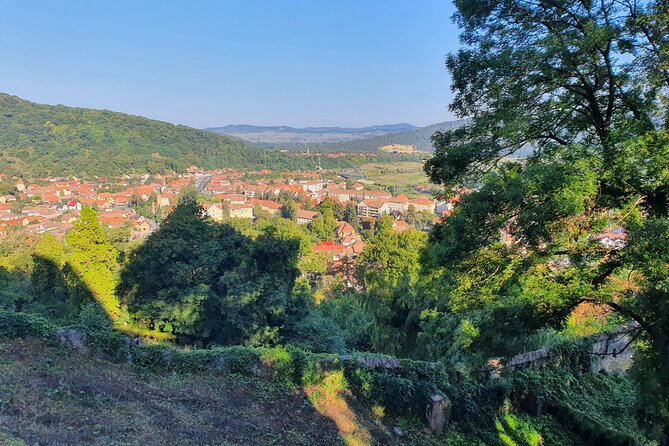
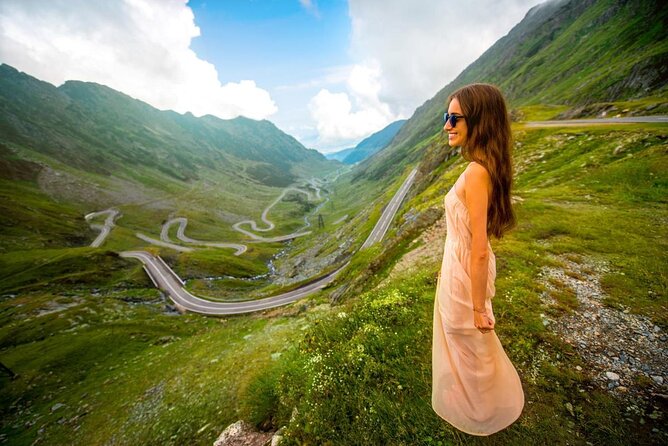
The final day begins with the Transfagarasan Highway, one of Romania’s most famous mountain roads. You have two hours for views and photographs. The road is a major reason many people choose this tour, but mountain access can depend on seasonal conditions. Ask about the expected road status when you book.
At Calimanesti, the route includes the area around Cozia Monastery and the Olt River. Cozia has been guarded for more than 600 years, and its fortified walls sit between the river and Mount Cozia. You also hear about the mineral water at Calimanesti Spring, including its association with Napoleon III.
Poienari Castle is the day’s physical challenge. Reaching the citadel requires climbing about 1,400 steps. This is not the easy Dracula stop. It is the real workout of the tour, and anyone with mobility limits should consider carefully whether it fits their plans. Admission is extra.
Vidraru Dam follows with a 30-minute stop. The dam and reservoir offer a sharp change from medieval ruins and mountain churches, showing Romania’s modern engineering side.
The route ends with Sibiu’s Piața Mare and Union Square. Piața Mare is the city’s large central square, while Union Square connects areas of the historic center and includes access toward the Bridge of Lies and the Lower Town. The scheduled hour at each square gives you a taste of Sibiu, though not a full city visit.
Price, inclusions, and the real value
The listed price is $2,140.17 per person. That is a substantial amount, but it covers more than transport from one sight to the next. You receive a private licensed English-speaking guide and driver, vehicle costs, gasoline, parking, road tolls, Wi-Fi, and guide accommodation and meals.
The private format is the biggest value for families or friends who would otherwise need to arrange a complicated route across Romania. You are also paying for planning, local driving, historical interpretation, and the ability to adjust the schedule.
Still, calculate the complete trip budget. Your accommodation, meals, beverages, and all entrance fees are extra. Nicolas can recommend hotels according to your budget and book them for you, which reduces planning work but does not remove the cost.
Group discounts may be available, and the private vehicle makes the price more sensible when shared by several people. For a solo visitor, it is a much larger investment.
Free cancellation is available up to 24 hours before the start time. Changes or cancellations inside that 24-hour window are not accepted for a refund.
Who should book this six-day tour?
Book this if you want a broad first look at Romania and prefer a private road trip to public transport or a large coach. It suits couples, families, and small groups who value control over the day and want a guide available throughout.
It is especially good for people interested in castles, military sites, churches, Dacian history, and mountain scenery. Nicolas’s humor and detailed explanations add value at places that might otherwise be hard to understand.
Think twice if you prefer slow travel. The program changes location often, and several days contain three or more major stops. Poienari and Cheile Turzii also require physical effort, while admission fees and hotel costs add to the price.
FAQ
Is this a private tour?
Yes. Only your group participates, and transport is provided in a private car or minibus.
Is hotel accommodation included?
No. Accommodation is not included. Nicolas can recommend hotels based on your budget and book them for you.
Are meals included?
No. Meals and beverages are not included. The guide’s meals are included.
Are entrance fees included?
No. Entrance fees for places such as Peles Castle, Bran Castle, Corvin Castle, Salina Turda, and Poienari Castle are extra.
Is an English-speaking guide provided?
Yes. A licensed English-speaking guide and driver is available throughout the tour. The guide named in the tour information is Nicolas.
Does the vehicle have Wi-Fi?
Yes. Complimentary wireless internet is provided in the private vehicle.
How difficult is the walking?
Most people can participate, but the itinerary includes a two-hour hike at Cheile Turzii and about 1,400 steps to Poienari Castle.
Can I cancel for a full refund?
Yes, if you cancel at least 24 hours before the experience begins. Cancellations within 24 hours are not refunded, and changes inside that period are not accepted.
Should you book it?
Book this tour if you want Romania’s major highlights plus a generous serving of less familiar places, all handled by one guide. The strongest reasons are the private vehicle, Nicolas’s engaging explanations, flexible planning, and the remarkable range of the route.
Do not book it expecting a restful six-day retreat. This is an active, ambitious road trip with extra costs and several long sightseeing days. If that sounds like your kind of adventure, it offers a practical way to connect royal Romania, medieval Transylvania, Dacian roots, and the Carpathian mountains in one journey.
Newest Bucharest trips on the site
- Winery touring & private wine tasting – one day private tour★ 5.0 · 3 reviews
- Bucharest: Dealu Mare Winery Private Trip with Wine Tasting★ 4.9 · 6 reviews
- Village Museum Bucharest Guided Tour★ 5.0 · 6 reviews
- Private Transfer from Giurgiu Port to Bucharest★ 4.5 · 12 reviews
- Airport Henri Coanda (Otopeni) to Bucharest – Private Transfer – Driver★ 5.0 · 5 reviews
- Salt Mine Tour from Bucharest with Entrance Ticket★ 4.5 · 19 reviews
- Wine tasting in Bucharest Old town – bonus cheese platter★ 4.5 · 6 reviews
- Walking tour of Bucharest★ 5.0 · 3 reviews
Private, compared.

Castles of Transylvania: Private Day Trip from Bucharest
Read our review →
Dracula’s Castle, Peles Castle and Brasov – Private Day Trip from Bucharest
Read our review →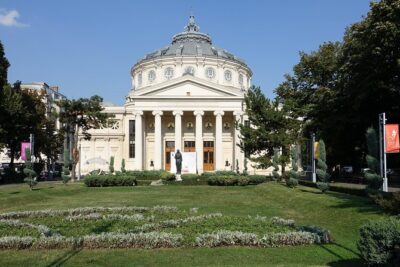
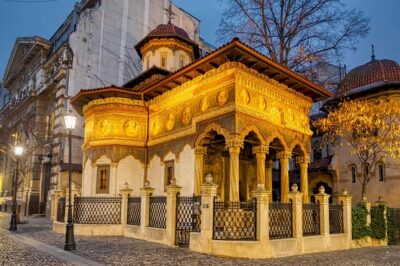
Bucharest Panoramic Sightseeing – Private City Tour
Read our review →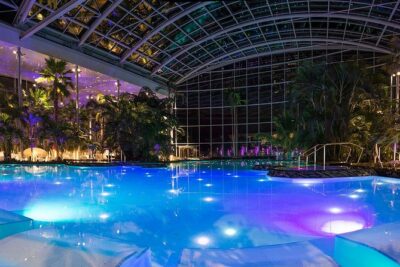
THERME “Take It Easy” Pack: Full Spa Access + Private Transfers
Read our review →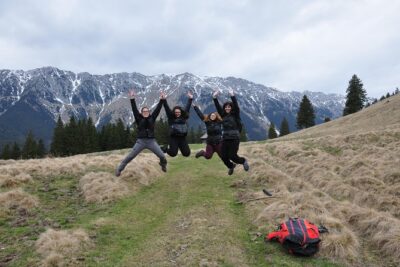
Piatra Craiului National Park Private Hiking Tour from Brasov
Read our review →
4h Bucharest Private Tour (2h by Car and 2h Walking in Old Town)
Read our review →