
Reviewed · WINE TOURS
Sighisoara, UNESCO & wine tasting (1 day, from Cluj)
Sighisoara’s living medieval citadel is the star of this long day from Cluj-Napoca. You’ll walk old lanes, climb the Covered Staircase, and hear how Vlad the Impaler became tied to the Dracula story before visiting Biertan’s fortified church and a Tarnaveni vineyard.
I like the small maximum of seven, which gives guides such as Geta and Joseph room to explain medieval Transylvania and adjust the day when time allows. I also like the mix of architecture, local Saxon culture, and three crisp white wines instead of a sightseeing trip built around one famous town.
The trade-off is the road time: this is an approximately 12-hour outing, with two to three hours of walking and as many as 500 steps. The Clock Tower costs extra and is closed on Mondays, so check the day before you book.
Key points to know before booking
- Sighisoara gets the main walking time: Allow about two hours for the citadel, Covered Staircase, Church on the Hill, and optional Clock Tower.
- Biertan adds a UNESCO site: Its fortified church introduces you to Saxon defense systems, church customs, and the ingenious 16th-century sacristy door.
- The wine stop focuses on white wines: You sample three varieties from the Tarnava region with palate cleansers.
- The group stays small: No more than seven people are scheduled, making it easier to ask questions or request reasonable adjustments.
- The day requires steady walking: Cobblestones, slopes, uneven surfaces, slippery patches, and up to 500 steps are part of the plan.
- The price reflects a full private-vehicle day: At $156.17 per person, transport, an English-speaking guide, parking, road fees, Biertan admission, and wine tasting are covered.
Why this Cluj day trip works
This tour gives you three different ways to read Transylvania. Sighisoara shows a preserved medieval town that people still inhabit. Biertan explains how the Transylvanian Saxon community protected its towns and organized religious life. Tarnaveni connects that past to wine production today.
That variety matters. A direct trip to Sighisoara would give you the region’s best-known medieval setting, but the extra stops make the day less one-note. You are not simply ticking off a clock tower and taking a few photos. You are hearing how settlement, defense, religion, farming, and local customs shaped this part of Romania.
The format also suits you if your Cluj visit is short. The departure is scheduled for 8:30 am, and you return to the starting meeting point after roughly 12 hours. You cover a lot of ground, but you do not need to arrange separate trains, buses, and local connections.
The cost is not cheap at $156.17 per person. Still, it includes all transport in a private vehicle or minibus, fuel, road tax, parking, an English-speaking guide and driver, entry to Biertan’s fortified church, and the three-wine tasting. The Clock Tower is separate, and lunch and other drinks are yours to pay for.
For a solo visitor or a couple, that package can be fair if you value ease and interpretation. You are paying for a full day on the road and a small group rather than just a seat in a large coach. Group discounts are available, but the exact saving is not provided, so check the total before booking.
More Cluj Napoca wine tastings:
- Wine Tasting in Bucharest
★ 5.0 · 183 reviews - Peles & Cantacuzino Castles: Gourmet Wine & Cultural Day trip
★ 4.5 · 67 reviews - Private Tour to Salt Mine, Lunch at Winery and Dracula Grave
★ 5.0 · 60 reviews
Sighisoara and its nine surviving towers
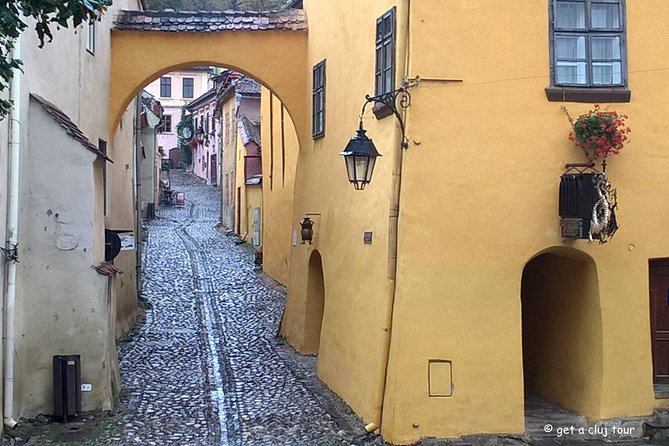
Sighisoara deserves the first major stop. Its historic fortress remains one of the few medieval citadels in Europe that is still inhabited, which changes the feel of the visit. This is not only a preserved monument. It is a working part of town, with homes, streets, and daily life inside the old defenses.
The fortress once had fourteen defense towers. Nine remain, enclosing the upper town with a strong sense of its former purpose. Your guide can place the stonework, towers, and narrow routes in the larger story of medieval Transylvania, including the threats that led communities to fortify their churches and towns.
You get about two hours here. That is enough for a focused walk, but not enough to see every corner at a slow pace. The best use of your time is to stay with the guide for the main route, then use any spare minutes for photographs or a short independent look.
The Covered Staircase leads toward the Church on the Hill. Its wooden roof protects the steps from weather, and the climb gives the stop a practical medieval feel rather than just a decorative one. You should take your time here, especially because the full day already includes many stairs.
The Church on the Hill is reached through that staircase, and the route includes city hills and uneven surfaces. If you have knee trouble, a fear of heights, or limited balance, tell the guide early. Some steps can be skipped, but doing so may mean missing sites that are reached only by stairs.
The Clock Tower is Sighisoara’s best-known landmark and an optional extra. You can climb it for wide views over the old town and surrounding area, looking out from the same kind of high point once used by medieval guards. Admission is not included, and the tower is closed on Mondays, so Monday departures offer less flexibility.
The Dracula connection adds color, but it should be kept in proportion. The tour discusses Vlad the Impaler, the real historical figure linked to the Dracula legend. You are getting local history and legend together, not a theme-park version of the story.
Biertan’s fortified church and Saxon traditions
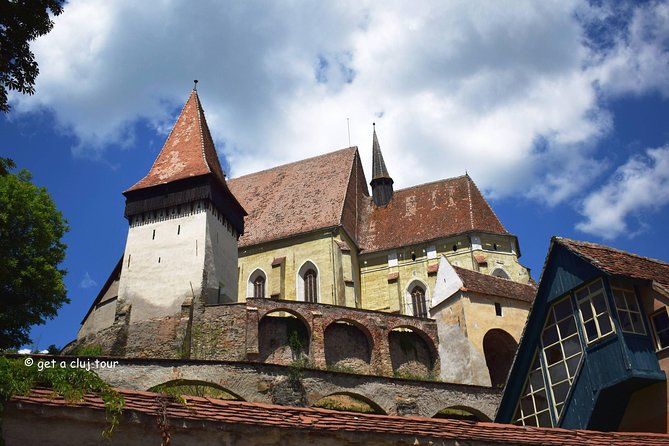
After Sighisoara, the tour moves to Biertan, a village shaped by its imposing fortified church. The church is a UNESCO World Heritage site, and admission is included in the tour price.
Biertan served as the seat of the Transylvanian Evangelical bishop for almost 300 years. That long religious role helps explain why the church became such an important center for the local Saxon community. Your guide discusses where the Transylvanian Saxons came from, how they lived, and how they defended their settlements.
The fortifications are the key lesson here. In this region, churches were not only places for worship. They could also provide protection during attacks, including the Mongol invasions that shaped medieval defensive planning. Walls, towers, and secure storage areas made the church complex useful in dangerous times.
One small feature deserves close attention: the 16th-century sacristy door. Its locking system is presented as an example of medieval craftsmanship and practical engineering. It is exactly the kind of detail that is easy to miss on a quick stop but becomes memorable when a guide explains why it mattered.
Biertan also broadens the cultural side of the day. You hear about Saxon winemaking, marriage customs, defensive methods, and daily routines. These subjects help you understand the area as a settled community with rules and traditions, not just a collection of old stone buildings.
The timing listed for Biertan is unclear in the supplied schedule, which gives one minute for the stop. In practical terms, expect a short visit rather than a long, leisurely church tour. Lunch takes place at a local restaurant before or around this part of the day, but the meal itself is not included.
That means you should budget for lunch and drinks. The tour provides the setting and transport, but not your food bill. If you need a special meal arrangement, ask before departure because no details are provided about the restaurant or menu.
Three Tarnava wines after the sightseeing
The final major stop shifts from walls and churches to agriculture. You travel through the Tarnaveni area, across Transylvanian plains and villages, to a vineyard in the Tarnava region.
The local climate is cool, and the area is known for aromatic, high-acid white wines. The tasting includes three varieties, with Feteasca Alba, Feteasca Regala, and Riesling identified as key wines from the area. Expect fresh, crisp styles with floral and fruit notes rather than heavy, full-bodied reds.
The tasting is included, along with palate cleansers. That makes it a useful introduction to Romanian wine for you if the country is new to your wine itinerary. It also gives the day a calmer final chapter after the hills, stairs, and cobblestones of the two historic sites.
There is a good historical link here. Saxon settlers helped develop viticulture in the Middle Ages, so the vineyard stop is not a random add-on. It connects local farming and settlement patterns with the wine on your glass.
The wine tasting is limited to people aged 18 and over. On private tours, it can be skipped, according to the tour details. If you are traveling with someone who does not drink, clarify how that option affects the schedule before booking.
The tasting also adds a practical reason to use a guided vehicle. You do not need to drive after sampling wine, and transport back to Cluj is arranged. As always, pace yourself. The day is long, and the purpose is to understand the wines rather than drink quickly.
More food tours in Cluj Napoca:
- Taste Bucharest: A Food Lover’s Tour of Markets & Neighbourhoods
★ 5.0 · 689 reviews - Street Food’n’Culture Tour
★ 5.0 · 209 reviews - Discover Bucharest: Private Highlights and Traditional Food Tour
★ 5.0 · 86 reviews - Half-Day Private Food and Wine Walking Tour Oradea Romania
★ 5.0 · 55 reviews
What the guide adds to the day
The strongest part of this experience is the guiding. Geta is described as friendly and flexible, including helping with a last-minute booking and adding a Cluj tour on the return for one visitor. Joseph is also praised for his clear explanations of Romanian and European history, medieval society, and local culture.
Those details matter because the stops are easy to reduce to photo opportunities. Sighisoara can become a clock tower, Biertan can become a church wall, and the vineyard can become three quick pours. A good guide gives you the links between them.
The guide-driver setup also makes the long route manageable. You can ask questions during the drives and get background on the villages and countryside between stops. The exact amount of commentary will depend on the guide and your interests, but the tour is designed around historical explanation rather than simple transport.
The small group limit of seven is a real advantage. You can ask about the Dracula connection, Saxon customs, or the wine varieties without trying to catch a guide’s attention across a large bus. The schedule may also have a little more flexibility than a fixed coach tour, though traffic and personal interests affect the final duration.
The published information says confirmation arrives at booking, and the experience requires a minimum number of participants. If the minimum is not met, you are offered another date or experience, or a full refund.
Walking, stairs, and the long day
You should treat the physical demands seriously. The tour includes two to three hours of moderate walking, but the total stair count can reach 500. Surfaces include paved paths, cobblestones, uneven and slippery areas, city hills, and stairs without handrails.
You can skip many steps, but that may limit access to the Clock Tower and other upper-level sights. Comfortable shoes with a firm grip are more important here than stylish footwear. Bring water, and leave room in your schedule for standing during explanations and sightseeing stops.
The early departure and late return create another consideration. This is efficient for a short visit to Romania, but it is not a relaxed day. You move between three places, cover substantial distances by road, walk through historic sites, eat lunch, and finish with wine tasting.
I would choose this tour if you want a strong first look at medieval Transylvania and prefer a guide to handle the driving. I would choose something slower if your main goal is an unhurried Sighisoara visit or a long winery experience.
Private tours include hotel pickup and drop-off. For the group version, the published meeting point is used, so check the exact location when you book. The activity ends back at the meeting point.
Booking advice and cancellation terms
The tour is often booked well ahead, with an average advance period of 92 days. That suggests you should reserve early if your Cluj dates are fixed, especially if you want a private option or a particular guide.
Last-minute arrangements may still be possible. Geta helped one person who booked only two days before departure, and another solo participant reserved four days before arrival. Those examples show flexibility, but they do not guarantee a space, so do not rely on a last-minute opening during a busy period.
You can cancel for a full refund up to 24 hours before the local start time. Changes or cancellations inside that 24-hour window are not accepted or refunded. Since the tour has a minimum participation requirement, check your email for any provider changes before departure.
Should you book the Cluj to Sighisoara day trip?
Book it if you want three distinct experiences in one day: a living medieval citadel, a UNESCO fortified church, and a Romanian white-wine tasting. It is especially useful for solo visitors, couples, and small groups who want an English-speaking guide and do not want to manage a long rural route by themselves.
The price is easier to justify when you value the small group, private-vehicle transport, historical explanation, Biertan admission, and included tasting. It is less attractive if you only want Sighisoara, dislike long drives, or plan to spend hours at one site.
Check the Monday Clock Tower closure, prepare for up to 500 steps, and set aside money for lunch, drinks, and the tower ticket. If those points suit your plans, this is a well-balanced way to connect Cluj with some of Transylvania’s most memorable medieval places.
FAQ
How long is the tour from Cluj-Napoca?
The experience lasts approximately 12 hours. It begins at 8:30 am and ends back at the meeting point.
Which places does the tour visit?
The day includes Sighisoara’s historic citadel, Biertan Fortified Church, and a vineyard in the Tarnaveni area.
Is the Clock Tower ticket included?
No. Admission to the Clock Tower is not included, and the tower is closed on Mondays.
Is admission to Biertan Fortified Church included?
Yes. Entry to Biertan Fortified Church is included in the tour price.
How many people can join the group?
The tour has a maximum of seven travelers.
Is hotel pickup available?
Hotel pickup and drop-off are included for private tours. Group tours use the stated meeting point.
Is wine tasting included?
Yes. The experience includes three wine varieties and palate cleansers. The minimum age for the tasting is 18, and it can be skipped on private tours.
How much walking is involved?
Expect two to three hours of moderate walking, with cobblestones, uneven or slippery surfaces, hills, and up to 500 steps. Some stairs can be skipped, but this may limit access to certain sites.
More Cluj Napoca Day Trips
- Curly Tour – Day trip from Cluj 🙂
★ 5.0 · 330 reviews - From Cluj: Turda Salt Mine, Gorge, and Remetea Full-Day Trip
★ 5.0 · 84 reviews - Day Trip To Turda Salt Mine, Rimetea Village & Coltesti Fortress
★ 5.0 · 25 reviews - Day Trip to Turda Salt Mine and Corvin Castle from Timisoara
★ 5.0 · 10 reviews
Newest Cluj Napoca trips on the site
- Private tour to Turda Salt Mine, Rimetea and Alba Iulia★ 4.8 · 5 reviews
- Turda salt mine and Corvin Castle day tour from Cluj★ 5.0 · 9 reviews
- Turda Salt Mine, Gorge & Rimetea Village (private from Cluj)★ 5.0 · 5 reviews
- 1250cc Motorcycle Rental from Turda★ 5.0 · 4 reviews
- Day Trip to Turda Salt Mine and Corvin Castle from Timisoara★ 5.0 · 10 reviews
- Discover Apuseni Mountains – Scarita Summit,Sipote Waterfall and Dumesti Village★ 5.0 · 17 reviews
- CLUJ ADVENTURE TOUR ! ZIP LINE and HIKE★ 5.0 · 15 reviews
- Turda salt mine, Rimetea village and Alba Iulia, from Cluj★ 5.0 · 11 reviews
Wine Tours, compared.
Peles & Cantacuzino Castles: Gourmet Wine & Cultural Day trip
Read our review →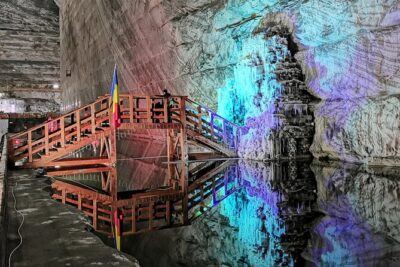
Private Tour to Salt Mine, Lunch at Winery and Dracula Grave
Read our review →
Half-Day Private Food and Wine Walking Tour Oradea Romania
Read our review →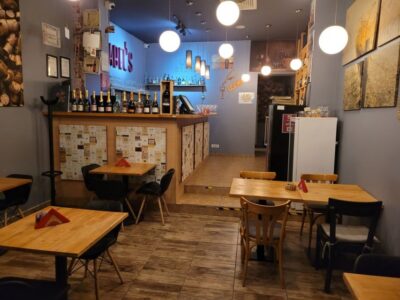
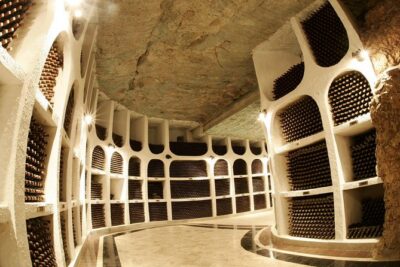
Day trip to Republic of Moldova – visit Chisinau and Cricova Winery
Read our review →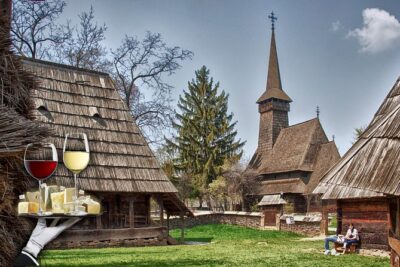
Traditions in Bucharest: Village Museum and Wine Tasting Tour
Read our review →Small-group max 7, Salt Mine, Lunch at Winery & Dracula Grave
Read our review →Browse the lists this tour appears in