Reviewed · PRIVATE
Bucharest: Charm of the Belle Époque Private Tour
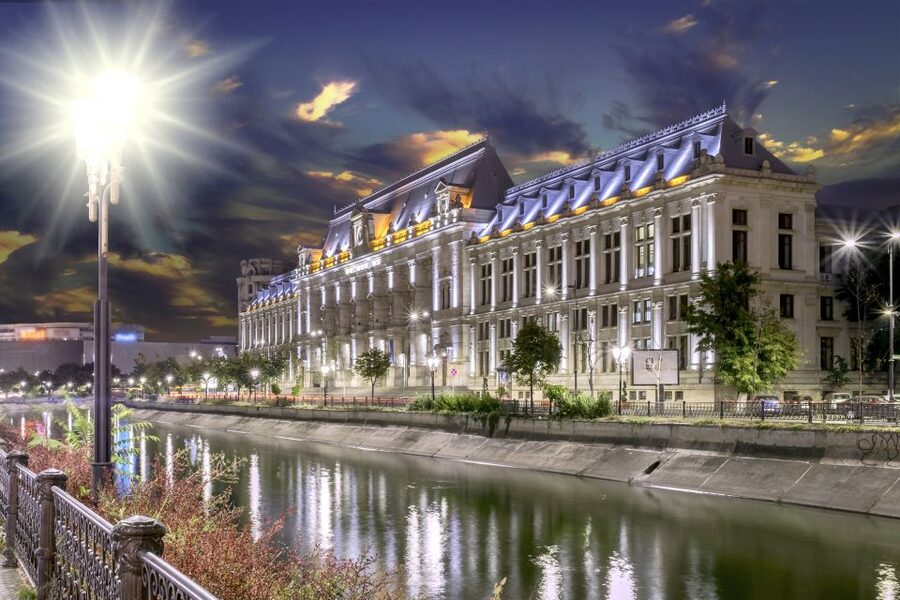
Bucharest’s Belle Époque story comes alive along Victory Avenue, where royal buildings, music halls, grand restaurants, and former fashion houses reveal how the city once earned its nickname, the Paris of the East. The tour then turns into the Old City, where cobblestones, old lamps, cafés, beer houses, and former entertainment halls keep the mood pleasantly theatrical.
I like the way the tour links buildings to people and social life instead of treating architecture as a row of façades. I also like the private format, hotel transport, and the chance to explore with a guide such as Michael or Emma, both praised for clear local stories and a personable manner.
The main consideration is pace. Four hours gives you a useful look at central Bucharest, but this is a city walk with many stories, not a full museum-by-museum tour. Meals and snacks are not included, and you will want comfortable shoes for the pedestrian streets.
Key points to know before booking
- Victory Avenue is the backbone of the tour, connecting Bucharest’s royal, musical, restaurant, and commercial past.
- The route mixes architectural styles, including Neoclassical, Art Nouveau, Baroque, Byzantine, and local Brancovenesc details.
- The Old City brings the Belle Époque mood down to street level, with cafés, bistros, lounges, old inns, beer houses, and former entertainment venues.
- Your guide supplies the human story, explaining balls, fashion, music, social customs, and the people who used these buildings.
- Hotel pickup and drop-off by car are included, useful if you are staying outside the central area.
- This is a private four-hour experience, available in English or Romanian and listed as wheelchair accessible.
Why Bucharest’s Belle Époque deserves four hours
Bucharest can be hard to read at first. Grand French-inspired buildings sit beside later additions, busy roads, worn façades, restored houses, and modern cafés. Without context, the center may look like a collection of attractive but unrelated places.
This tour gives the city a clear storyline. In the late 19th and early 20th centuries, Bucharest enjoyed a period of peace, prosperity, and cultural growth known as the Belle Époque. King Carol I played a major role in reshaping the capital, and his family connections to European rulers helped strengthen the city’s links with Western Europe.
That mixture of Western influence and local tradition is the key to the experience. You see European styles, but not in a pure or tidy form. Neoclassical, Art Nouveau, Baroque, and Byzantine elements appear alongside Brancovenesc, a Romanian style known for its decorative stonework, carved details, and blend of local and Eastern influences.
I find this approach more useful than simply hearing dates. You learn why Bucharest looked outward, how its wealthy residents copied Parisian tastes, and how music, restaurants, fashion, theaters, and nightlife changed the character of the capital.
A few more Bucharest trips worth a look
- Bucharest: Palace of Parliament Tickets and Guide
★ 4.3 · 3,182 reviews - Bucharest: Palace of Parliament Tickets and Guided Tour
★ 4.4 · 1,877 reviews - Bucharest: Parliament Palace Skip-the-line Ticket
★ 4.2 · 1,518 reviews
Walking Victory Avenue from royal power to café society
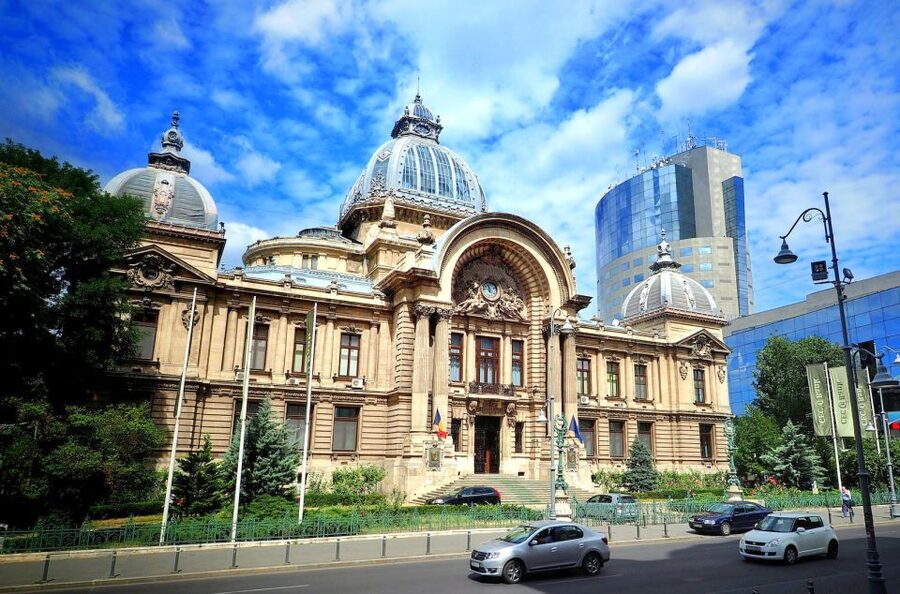
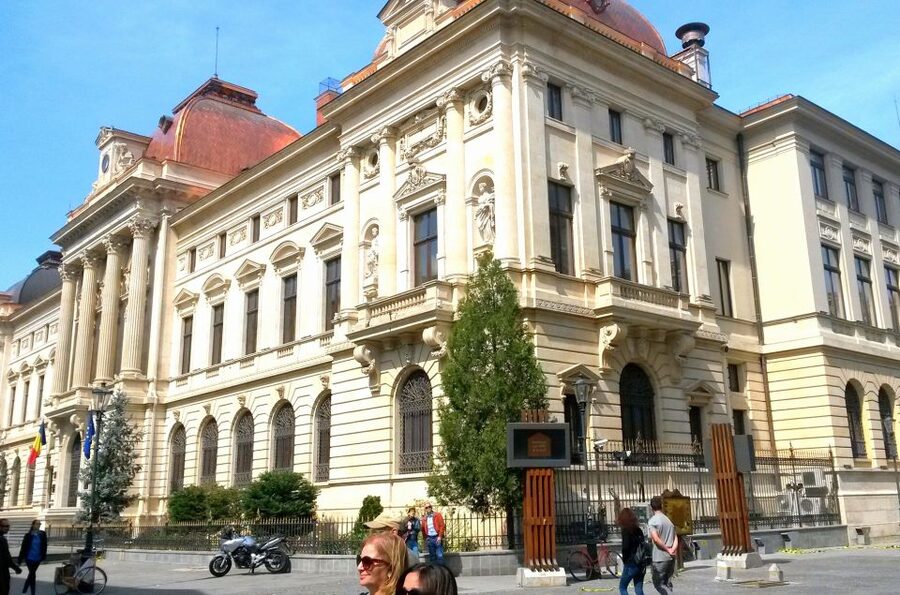
Victory Avenue is the star of the first part of the tour. It is often compared with the Champs-Élysées, though you should not expect a Romanian version of that Paris boulevard. The appeal here is the concentration of political, cultural, and social landmarks along one central route.
As you walk, the guide explains the palaces and historic buildings in their social setting. This makes a difference. A palace is not just a large building when you understand who used it, what kind of events took place there, and how it fitted into the city’s growing fascination with European culture.
One highlight is the palace connected with one of the most famous composers of the 20th century. The supplied information does not name the composer, so the guide’s explanation becomes especially important. You can expect the stop to connect music with the city’s cultural rise rather than treating the building as a decorative pause.
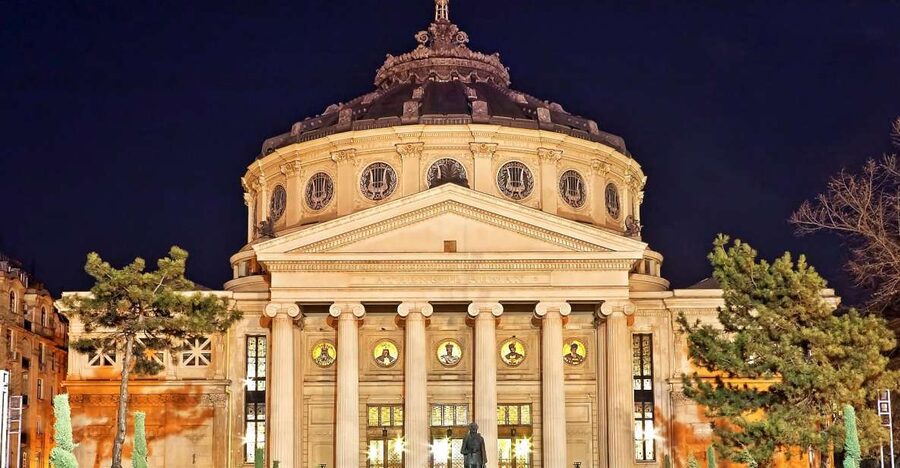
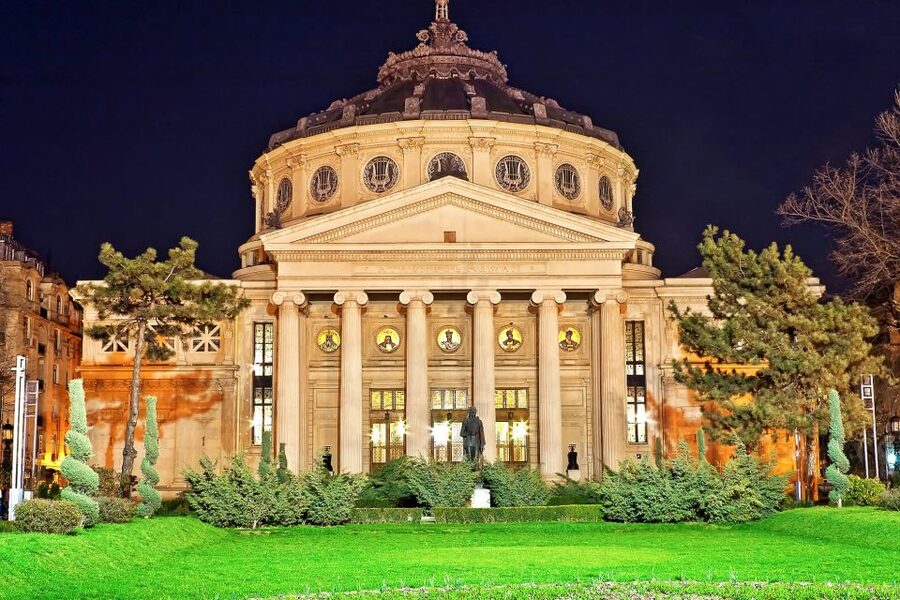
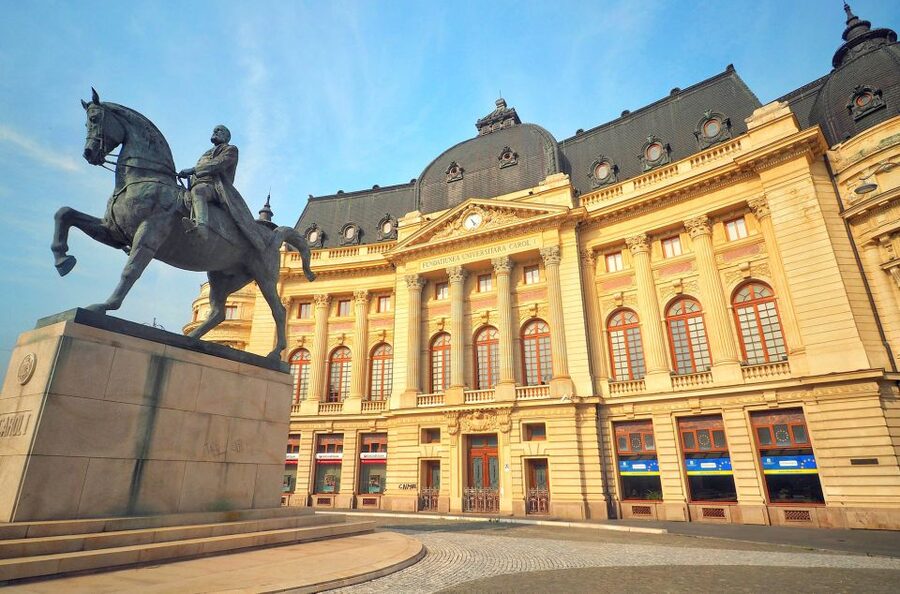
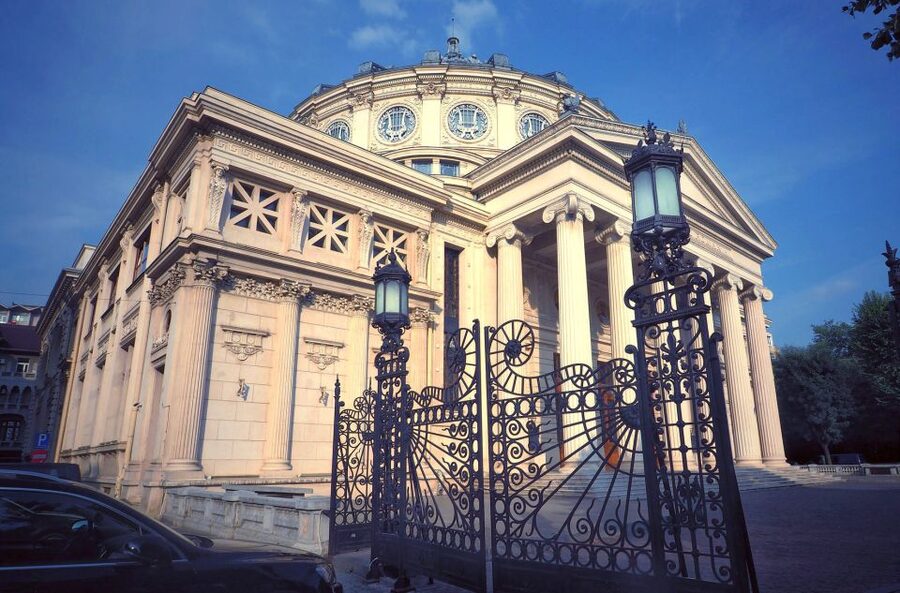
The Romanian Athenaeum is another major point along the way. This music hall represents Bucharest’s serious cultural ambitions during its great period of growth. Its role helps explain why the city was not simply copying foreign fashions. It was building institutions of its own, with music and the arts at the center.
The former Royal Palace gives the route a political anchor. Here, the story shifts from concerts and social gatherings to monarchy and state power. The palace helps you understand how King Carol I and the royal family shaped the capital’s image and encouraged Bucharest’s European direction.
You will also hear about Capsa Restaurant, a famous meeting place for noblemen and artists. This is exactly the kind of stop that makes the tour useful. Restaurants can reveal social networks, public life, and cultural habits in a way that official buildings often cannot.
The former Lafayette Galleries add another angle. The store brought the latest Parisian fashion to Bucharest, showing how the city’s upper classes followed international style. Fashion, food, music, and architecture all become part of the same story: Bucharest wanted to be modern, cultured, and connected to the West.
Reading the buildings instead of just photographing them
The tour’s strongest feature is the way each major stop carries a story. You are not simply told that a façade is Baroque or that a palace is old. You get a sense of what the building meant to people at the time.
That context matters in a city where architecture often reflects several eras at once. A Neoclassical structure may sit near an Art Nouveau building, while Byzantine touches and Brancovenesc decoration add local character. The result is not a single uniform style. It is a record of Bucharest’s changing tastes and political connections.
I would pay close attention to the transitions between buildings. The guide is not only pointing out pretty details. The route shows how the city moved from royal ceremony to public music, from elite restaurants to commercial fashion, and from formal institutions to nightlife.
The story also reaches beyond architecture. You hear about balls, permits for attending them, jockey clubs, tango, Charleston, fringed dresses, and secret love letters. These details give the period a human scale. They suggest how people dressed, flirted, entertained themselves, and guarded their social status.
This is where a private guide has an advantage. You can ask why a building mattered, pause when a style catches your eye, or request more explanation about Romanian traditions. The experience is less about memorizing a list and more about following a connected tale through the center.
Entering the Old City on foot
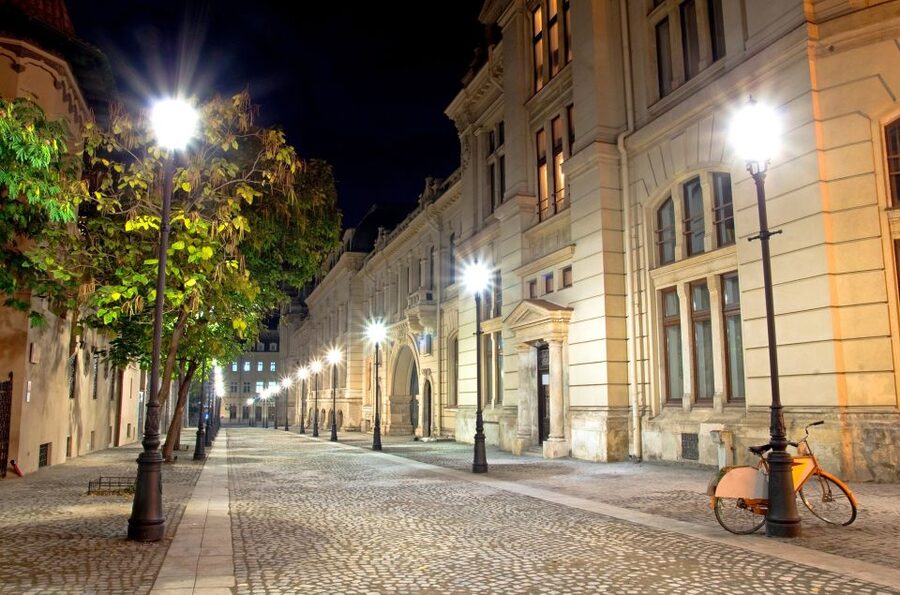
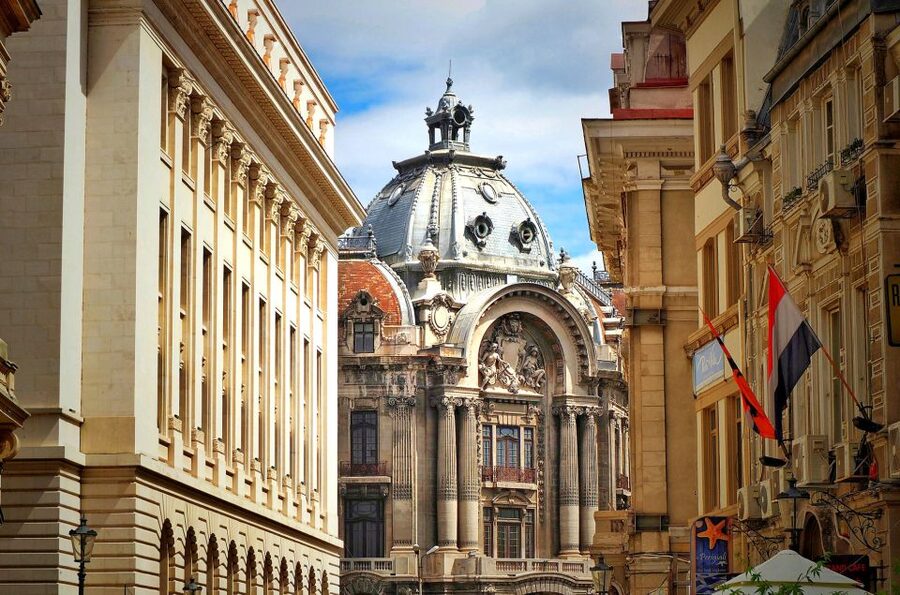
The second part of the route moves into Bucharest’s Old City, where the atmosphere changes. The area has a large pedestrian zone, cobblestone streets, old street lamps, cafés, bistros, and lounges in 18th-century houses.
The Old City is not presented as a silent historic quarter. It is a living entertainment district, and that contrast is part of its appeal. You may see street musicians, including violin players, while modern businesses operate inside old buildings. The architecture supplies the setting, but present-day activity keeps the area from feeling like a museum display.
The tour points out places that were once cabarets, theaters, and dance halls. Other establishments continue older traditions as inns and beer houses. These stops help connect the Belle Époque to everyday leisure. You see where people met, drank, listened to music, watched performances, and built their social lives.
The cobblestones and old lamps create a pleasing sense of period, but the Old City can also feel more active and less polished than the formal stretch of Victory Avenue. That is worth knowing before you book. You are getting a mix of restored historic character and modern city life, not a perfectly preserved Belle Époque quarter.
I like that the route does not stop at grand palaces. The cafés, inns, beer houses, and former performance spaces make the history more accessible. They show how the city worked after the official ceremonies ended and the evening began.
A different sort of day out, same corner of Romania:
- Bucharest: City Highlights Guided Walking Tour
★ 4.9 · 1,482 reviews - Taste Bucharest: A Food Lover’s Tour of Markets & Neighbourhoods
★ 5.0 · 689 reviews - The Real tour of Communism
★ 5.0 · 666 reviews - Bucharest: Therme Bucharest Entry Ticket and Transfer
★ 4.6 · 608 reviews
What the private format changes
A private group gives this tour a more personal rhythm. You are not following a large crowd or trying to hear a guide from several steps away. The guide can focus on your interests and adjust the storytelling as you go.
The available languages are English and Romanian. Guides named Michael and Emma have led the experience, with Michael noted for interesting stories about the buildings and Romania, and Emma described as personable and well informed about her city and country. Guide assignments can change, so treat those names as examples rather than a guarantee for your date.
Hotel pickup and drop-off by car are included. For a hotel, you wait in the lobby near reception. For an apartment, you wait downstairs in front of the accommodation. This is useful if you are unfamiliar with Bucharest or prefer not to arrange your own way to the center.
The tour is listed as wheelchair accessible, though the route includes cobblestone streets and pedestrian areas. If surface conditions or a particular building matter to you, confirm the practical details when booking. Accessibility does not always mean every historic entrance or street feels equally easy to navigate.
At four hours, the timing is substantial without taking an entire day. You have enough time for a proper introduction to central Bucharest, but the tour does not include meals or snacks. Plan a café stop or meal before or after, especially if you prefer to keep walking without a long break.
Is $104 per person a fair price?
At $104 per person, the value depends mainly on how many people are in your private group. For a couple or small group, the price buys four hours of a dedicated guide, hotel car service, and a focused route through the city’s most important Belle Époque areas.
That is stronger value if you want interpretation rather than simple transport. You are paying for the connection between the Athenaeum, the Royal Palace, Capsa Restaurant, Lafayette Galleries, and the Old City, not just for a ride past them.
The value is also higher for a first visit. Bucharest’s central architecture can be rewarding but confusing, especially when different periods and styles appear side by side. A guide can help you notice what would otherwise pass as an attractive façade.
The price is less compelling if you prefer to wander independently, spend hours inside museums, or stop frequently for food. This experience is designed around a guided story and a defined four-hour route. Meals, snacks, and separate admission charges are not listed as included, so keep your expectations focused on the walk, commentary, and transportation.
Free cancellation up to 24 hours before the start and reserve-now, pay-later booking make it easier to fit into a changing itinerary. Those policies are useful, but the real question is whether you want a guide to supply the historical framework.
Who will enjoy this tour most
I would choose this experience for a first-time visitor who wants to understand Bucharest’s central identity quickly. It suits people interested in architecture, royal history, music, old restaurants, fashion, nightlife, and the social habits of the Belle Époque.
It also works well for couples and families who prefer a private pace. The route has enough variety to keep it from becoming a technical architecture lesson, while the stories about dances, fashion, clubs, and secret letters give the period an entertaining edge.
History-minded visitors should appreciate the range of styles and the link between buildings and public life. You do not need specialist knowledge. The guide’s job is to explain why the places matter in plain terms.
I would be more cautious if your priority is entering every building. The information describes a sightseeing route through major landmarks and the Old City, but it does not promise interior access to each palace, music hall, restaurant, or gallery. Much of the experience comes from the streets, façades, and guide’s storytelling.
Should you book the Belle Époque tour?
Book it if you want a clear, human story of Bucharest’s grand central streets, with private guiding and hotel transport included. The strongest reasons are the connected route along Victory Avenue, the mix of major institutions and ordinary social spaces, and the guide-led explanation of how Bucharest became known as the Paris of the East.
I would especially recommend it near the start of a Bucharest visit. After four hours, you should have a better sense of where the Old City fits, why the Athenaeum matters, and how royal power, music, fashion, restaurants, and nightlife shaped the capital.
Skip it if you mainly want independent wandering, long meals, or extensive indoor visits. For everyone else, this is a practical introduction to Bucharest’s Belle Époque, with enough architecture to satisfy curious eyes and enough human drama to keep the walk moving.
FAQ
How long does the Bucharest Belle Époque tour last?
The tour lasts four hours.
What areas does the tour visit?
The route follows Victory Avenue and continues through Bucharest’s Old City, including its pedestrian streets and historic buildings.
What landmarks are included?
The route includes the Romanian Athenaeum, the former Royal Palace, Capsa Restaurant, the former Lafayette Galleries, a palace connected with a famous 20th-century composer, and historic buildings in the Old City.
Is hotel pickup included?
Yes. Hotel pickup and drop-off by car are included. At a hotel, wait in the lobby near the reception desk. For an apartment, wait downstairs in front of the accommodation.
What languages are available?
The live guide is available in English or Romanian.
Is the tour private?
Yes. It is offered as a private group experience.
Are food and drinks included?
No. Meals and snacks are not included.
Newest Bucharest trips on the site
- Winery touring & private wine tasting – one day private tour★ 5.0 · 3 reviews
- Bucharest: Dealu Mare Winery Private Trip with Wine Tasting★ 4.9 · 6 reviews
- Village Museum Bucharest Guided Tour★ 5.0 · 6 reviews
- Private Transfer from Giurgiu Port to Bucharest★ 4.5 · 12 reviews
- Airport Henri Coanda (Otopeni) to Bucharest – Private Transfer – Driver★ 5.0 · 5 reviews
- Salt Mine Tour from Bucharest with Entrance Ticket★ 4.5 · 19 reviews
- Wine tasting in Bucharest Old town – bonus cheese platter★ 4.5 · 6 reviews
- Walking tour of Bucharest★ 5.0 · 3 reviews
Private, compared.

Castles of Transylvania: Private Day Trip from Bucharest
Read our review →
Dracula’s Castle, Peles Castle and Brasov – Private Day Trip from Bucharest
Read our review →
Bucharest Panoramic Sightseeing – Private City Tour
Read our review →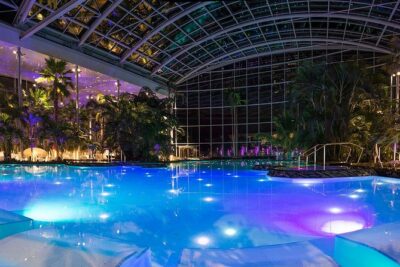
THERME “Take It Easy” Pack: Full Spa Access + Private Transfers
Read our review →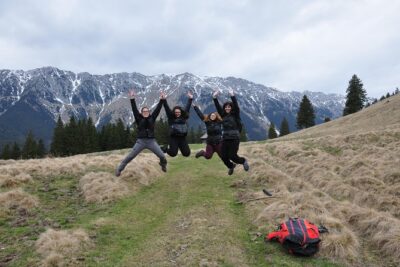
Piatra Craiului National Park Private Hiking Tour from Brasov
Read our review →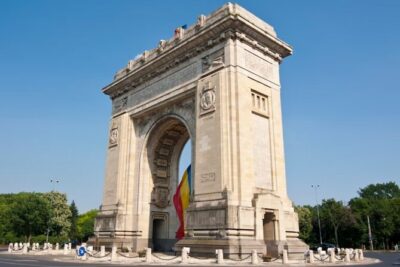
4h Bucharest Private Tour (2h by Car and 2h Walking in Old Town)
Read our review →