Reviewed · BUCHAREST TOURS
Bucharest Ghosts Stories and Mythology
Bucharest gets much more interesting after sunset, when parks, old buildings, and quiet streets become the setting for tales of strigoi, witches, exorcisms, and haunted houses. This is less a jump-scare show than a walking lesson in Romanian folklore, superstition, death customs, and the way old beliefs still color modern life.
I like the small group of no more than 12 and the personal touch guides such as Tudor, Bogdan, Gabriela, Rareș, and Ali bring to the stories. I also like the mix of real places and local traditions, from funeral customs to ways of guarding against the evil eye. The main drawback is that some stops are more useful as story settings than as sights in their own right, so you should come for the tales rather than landmark sightseeing.
Bucharest After Dark: What This Tour Really Offers
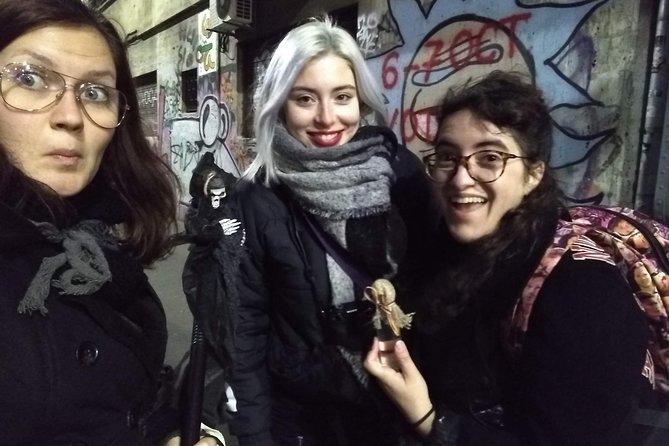
The tour begins at 7 p.m. beside the Ion Luca Caragiale National Theatre and lasts about two and a half hours. You walk through central Bucharest, stopping in parks and outside historic buildings while your English-speaking guide connects the locations to Romanian mythology.
The route includes roughly an hour of listed stops, with the remaining time used for walking, explanations, questions, and stories. That pace matters. This is not a rapid march from one famous monument to another. It is a guided evening walk built around conversation and atmosphere.
The strongest part is the cultural side. You hear about vampires and ghosts, but also about how Romanian families understand death, spirits, witches, religious practice, and bad luck. Guides add personal family stories, documented cases, scientific explanations, and practical folklore, such as how to recognize or ward off the evil eye.
The mood is generally spooky but light. Bogdan is described as funny and engaging, Gabriela as warm and attentive, and Tudor as a strong storyteller who explains funeral traditions and supernatural beings clearly. The guide can vary, so you should not book expecting one particular person, but the recurring names include Tudor, Bogdan, Gabriela, Rareș, and Ali.
The National Theatre Begins the Story
The first stop is the Ion Luca Caragiale National Theatre, at or very close to the meeting point on Bulevardul Nicolae Bălcescu. You spend about 10 minutes here, and there is no admission charge.
This opening stop is useful because it gets the group oriented before the walk moves into quieter streets. Do not expect to enter the theatre or receive a full architectural tour. The building is mainly the starting backdrop for the evening, while your guide sets up the themes of Bucharest’s supernatural traditions.
The practical advantage is easy arrival. The address is central and close to public transportation, so you can reach it without arranging a hotel transfer. The disadvantage is that a busy city-center meeting point can be less atmospheric than the later parks and side streets.
Arrive with enough time to find the theatre and identify your guide. Confirmation is provided when you book, and some guides have sent clear meeting instructions by WhatsApp. Hotel pickup and drop-off are not included.
A few more Bucharest trips worth a look
- Bucharest: Palace of Parliament Tickets and Guide
★ 4.3 · 3,182 reviews - Bucharest: Palace of Parliament Tickets and Guided Tour
★ 4.4 · 1,877 reviews - Bucharest: Parliament Palace Skip-the-line Ticket
★ 4.2 · 1,518 reviews
The Central School and Bucharest’s Haunted Reputation
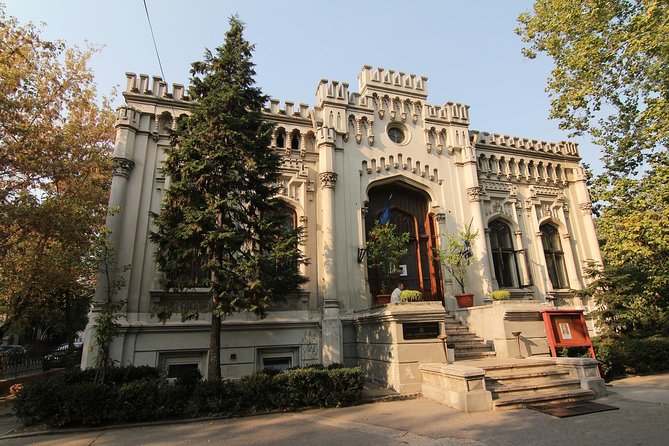
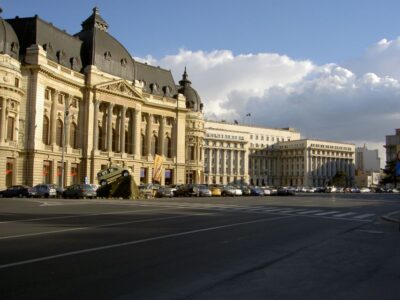
The walk continues to the Central School, an architectural monument with a reputation as a haunted school. The stop lasts around 15 minutes, giving the guide time to explain both the building and the supernatural stories linked to it.
This is one of the better combinations of place and tale. You are not simply listening to a ghost story in an empty street. You are looking at a notable building while hearing why it has acquired an eerie reputation.
The tour does not promise entry to the school, and the admission is free because the group remains outside. That makes this a story stop rather than a formal visit. I would pay attention to the guide’s distinction between documented details, local legend, and supernatural interpretation. That balance is part of what makes the tour more interesting than a string of invented scares.
The school also helps explain one of the tour’s limits. Some buildings are important because of the stories attached to them, not because you will spend time exploring their interiors. If you need every stop to be a major attraction, the route may feel thin. If you enjoy seeing ordinary city places through local folklore, it works better.
Ion Voicu Park and the Strigoi
At Ion Voicu Park, the group pauses for about 15 minutes. This is described as a beautiful park and the place where the guide tells stories about strigoi.
In Romanian folklore, the strigoi are associated with restless or returning spirits. The exact details depend on the story and the guide, but the stop lets you hear how ideas about the dead fit into a wider system of beliefs. This is where the tour moves beyond the familiar Dracula image and toward local spiritual traditions.
The park gives the evening a slower rhythm. Instead of standing beside a busy building, you have time to listen, ask questions, and let the setting do some of the work. At the same time, you should not expect a theatrical performance or staged apparition. The atmosphere comes from darkness, quiet paths, and the guide’s delivery.
A warm coat matters here. The tour runs outdoors at night, and one account specifically recommends wrapping up in winter. Rain can also affect the outing, since the experience requires suitable weather and may be canceled if conditions are poor.
Grădina Icoanei and the Witches’ Pond
The next stop is Grădina Icoanei, another central park. You spend about 10 minutes here hearing about a pond that was once used by witches for rituals.
The pond itself is part of the park’s past rather than a guaranteed visual feature today. That is worth knowing before you arrive. The value is in learning how a familiar urban space became attached to stories of ritual, magic, and danger.
This stop shows why the experience is not a standard history walk. You are being asked to consider how a city remembers places through rumor and belief. A park can be a place for a stroll, a religious setting, a site of fear, or a stage for stories about witches, depending on the era and the people telling them.
The guide’s personality matters a great deal here. Ali, for example, is described as adding family stories and practical details about Romanian customs. Gabriela is praised for answering questions and adjusting to the group’s needs. Those personal touches can turn a short park stop into one of the evening’s more memorable sections.
A different sort of day out, same corner of Romania:
- Bucharest: City Highlights Guided Walking Tour
★ 4.9 · 1,482 reviews - Taste Bucharest: A Food Lover’s Tour of Markets & Neighbourhoods
★ 5.0 · 689 reviews - The Real tour of Communism
★ 5.0 · 666 reviews - Bucharest: Therme Bucharest Entry Ticket and Transfer
★ 4.6 · 608 reviews
The Anglican Church and Stories of Exorcism
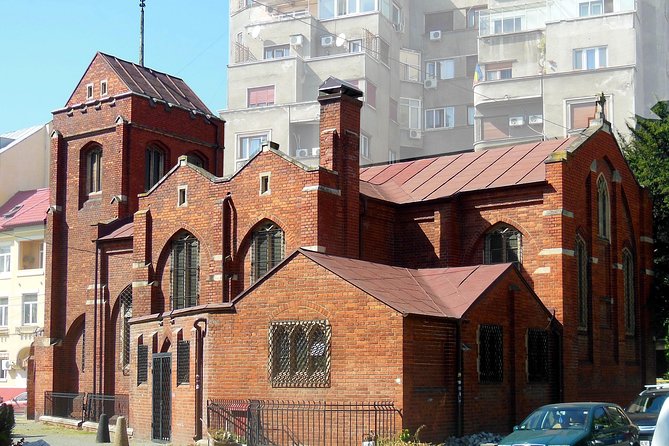
Outside the Anglican Church of the Resurrection, the guide discusses stories of real exorcism. The stop lasts about 10 minutes, and the group remains in front of the church.
This is one of the more unusual subjects on the route because it links supernatural belief with religious practice. The church becomes a place to discuss how people respond when they believe a person or building is affected by an evil force.
The phrase real exorcism should not be taken to mean that you will witness one or visit an active case. It refers to stories and accounts explained by the guide. Expect folklore, cultural context, and questions about belief, not a religious service or a dramatic reenactment.
I like this part because it widens the subject beyond ghosts. The tour asks why people believe, how religious customs mix with older superstition, and how these ideas can persist in a modern capital. It is also a good moment to listen for the guide’s distinction between fact, personal account, and legend.
The Three Houses and the Spookiest Stories
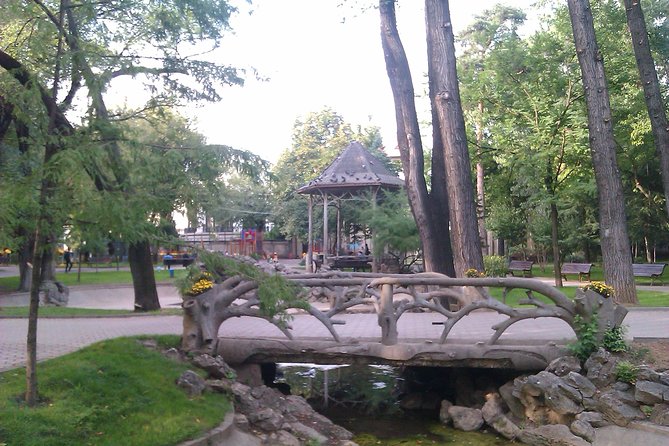
The supplied tour details do not list every story told along the route, so the exact order can vary. Still, the stories about the Devil’s House, the Poltergeist House, and the Cat’s House are among the most distinctive subjects associated with this experience.
These tales give the walk a stronger horror edge. They are the kind of stories that can stay with you after the tour, especially when the guide builds tension through details rather than relying on costumes or loud effects.
One important point: do not assume the guide will be in costume. At least one booking description created that expectation, but a visitor found that no costume was used. Book this for the storytelling and setting, not for a theatrical character performance.
The final story may also involve a boarding school, which one account found especially chilling. Since the evening is shaped by the guide’s selection and timing, the exact emphasis may depend on the person leading your group.
What the Small Group Changes
The maximum group size is 12, with a minimum of two people required for the tour to operate. That is a useful size for an evening walk. You can usually hear the guide clearly, ask questions, and stay connected while moving through parks and streets.
A small group also helps with the tone. A ghost story loses some force when you are surrounded by a large crowd. With fewer people, the guide can add personal details, answer questions about Romanian customs, and adjust the amount of explanation to the group.
The tradeoff is that the tour may be canceled if too few people book. If that happens, you are offered another date or experience, or a full refund. This is a normal consideration for a small-group activity, but it matters if your Bucharest schedule is tight.
Group discounts are available. At $33.88 per person, the price is not the cheapest way to spend an evening in Bucharest, but it is fair if you want a guided walk with cultural context rather than a simple self-guided route. You are paying for the guide’s preparation, storytelling, and interpretation of traditions, not entry to attractions. There are no ticketed admissions included because the stops are viewed from public areas.
What to Wear and How to Plan the Evening
The tour starts at 7 p.m. and ends at University House on Strada Dionisie Lupu 46, close to Piata Romana. That ending point is useful if you want to continue your evening near the central city, but hotel transport is not included.
Wear comfortable shoes. The route involves walking between stops, and the experience lasts about two and a half hours. In cool weather, bring a warm layer. In wet conditions, the tour may be canceled, so keep an eye on any update from the operator.
Service animals are allowed, and the activity is near public transportation. Most people can take part, but the supplied information does not promise a fully accessible route or describe the walking distance in detail. If you have mobility needs, contact the provider before booking rather than assuming every park path and pavement will suit you.
You can cancel for a full refund up to 24 hours before the 7 p.m. start time. Cancellations or changes made within 24 hours are not refunded. Poor weather or failure to reach the minimum group size can also lead to cancellation, with a new option or full refund offered.
The Guide Makes or Breaks the Experience
This tour depends heavily on the person holding the flashlight, figuratively speaking. The locations provide atmosphere, but the guide provides the meaning.
Tudor is praised for explaining funeral traditions, personal experiences, and supernatural beings in a clear way. Bogdan brings humor, historical and scientific explanations, and even film recommendations. Gabriela adds warmth, local tips, and careful attention to the group. Rareș is described as especially good at making folklore engaging, while Ali brings family stories and details about Romanian superstition.
Those differences matter. Some people want a dramatic ghost tour. Others want folklore explained in a calm, informed way. This experience leans toward the second type, although the subject matter can still be creepy.
The strongest guides keep the evening from becoming a list of disconnected ghost tales. They explain how myths relate to funeral customs, religious practice, village beliefs, and modern Romanian culture. That is the best reason to choose this tour over a generic haunted walk.
Who Should Book This Bucharest Walk?
I would choose it if you like folklore, unusual local customs, ghost stories, and evening walks through places you might otherwise pass without noticing. It suits couples, small groups of friends, and curious solo visitors who prefer conversation to a staged show.
It is also a good fit if you have already seen Bucharest’s main landmarks and want a different way to understand the city. The tour takes you to parks, a school, a church, and city corners connected to stories that are not obvious from a guidebook.
I would hesitate if you want a formal architecture tour, a visit inside historic buildings, or a guaranteed costume and theatrical effects. I would also think twice if you dislike walking outdoors at night or if your schedule cannot absorb a possible weather or minimum-group cancellation.
Should You Book Bucharest Ghosts Stories and Mythology?
Book it if you want the culture behind the scares. The best parts are the Romanian funeral customs, strigoi lore, witchcraft traditions, exorcism stories, and personal details supplied by the guide.
The experience offers good value for a 2.5-hour evening, especially with a group capped at 12 and a guide who can explain the difference between local belief, documented history, and spooky legend. Just keep your expectations in the right place: this is a walking storytelling tour, not a haunted-house attraction.
FAQ
How long does Bucharest Ghosts Stories and Mythology last?
The tour lasts approximately 2 hours and 30 minutes.
What time does the tour begin?
The tour starts at 7 p.m. local time.
Where does the tour begin?
The meeting point is the Ion Luca Caragiale National Theatre at Bulevardul Nicolae Bălcescu 2 in Bucharest.
Where does the tour end?
The walk ends at University House on Strada Dionisie Lupu 46, close to Piata Romana.
What language is the tour offered in?
The tour is offered in English and includes an English-speaking guide.
How many people can join the tour?
The tour requires at least two participants and allows a maximum of 12 people.
Does the price include hotel pickup or drop-off?
No. Hotel pickup, hotel drop-off, and gratuities for the guide are not included.
What happens if bad weather cancels the tour?
If poor weather causes a cancellation, you are offered a different date or a full refund.
Can I cancel for a full refund?
Yes. You can cancel at least 24 hours before the experience starts for a full refund. Cancellations or changes made less than 24 hours before the start time are not refunded.
Newest Bucharest trips on the site
- Winery touring & private wine tasting – one day private tour★ 5.0 · 3 reviews
- Bucharest: Dealu Mare Winery Private Trip with Wine Tasting★ 4.9 · 6 reviews
- Village Museum Bucharest Guided Tour★ 5.0 · 6 reviews
- Private Transfer from Giurgiu Port to Bucharest★ 4.5 · 12 reviews
- Airport Henri Coanda (Otopeni) to Bucharest – Private Transfer – Driver★ 5.0 · 5 reviews
- Salt Mine Tour from Bucharest with Entrance Ticket★ 4.5 · 19 reviews
- Wine tasting in Bucharest Old town – bonus cheese platter★ 4.5 · 6 reviews
- Private Wine Tasting at Bucharest’s First Wine Bar★ 5.0 · 3 reviews
Bucharest Tours, compared.

Taste Bucharest: A Food Lover’s Tour of Markets & Neighbourhoods
Read our review →