Reviewed · PRIVATE
Bucharest: Private Three Neighborhoods Tour by Vintage Car
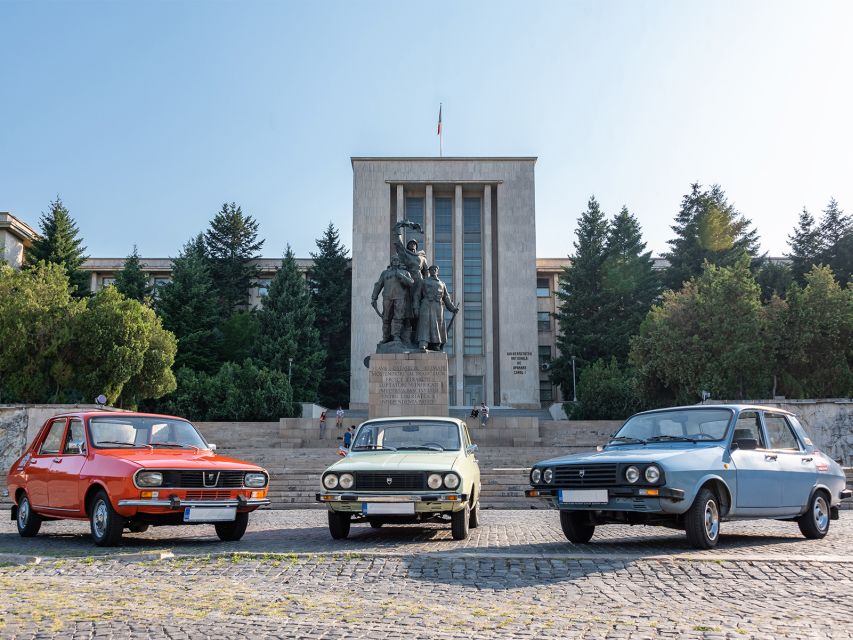
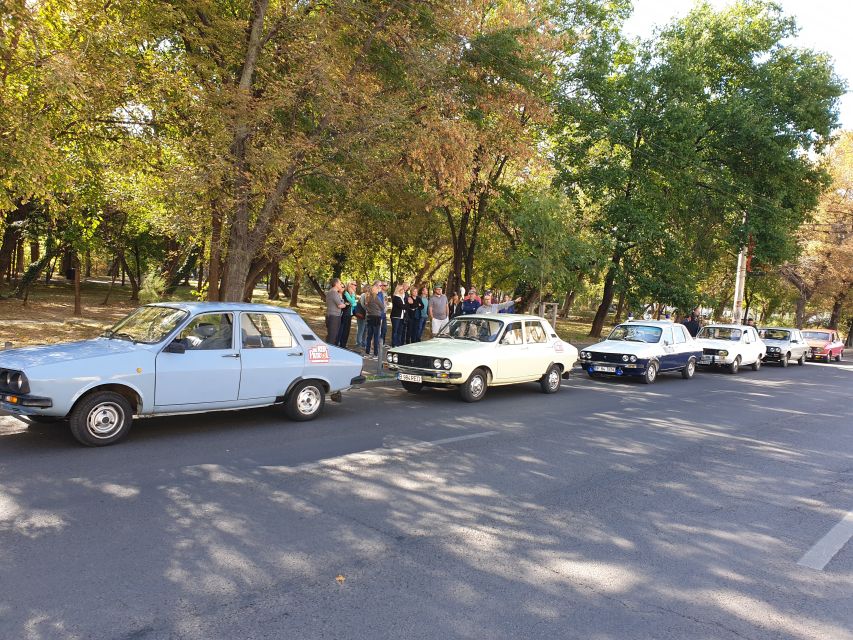
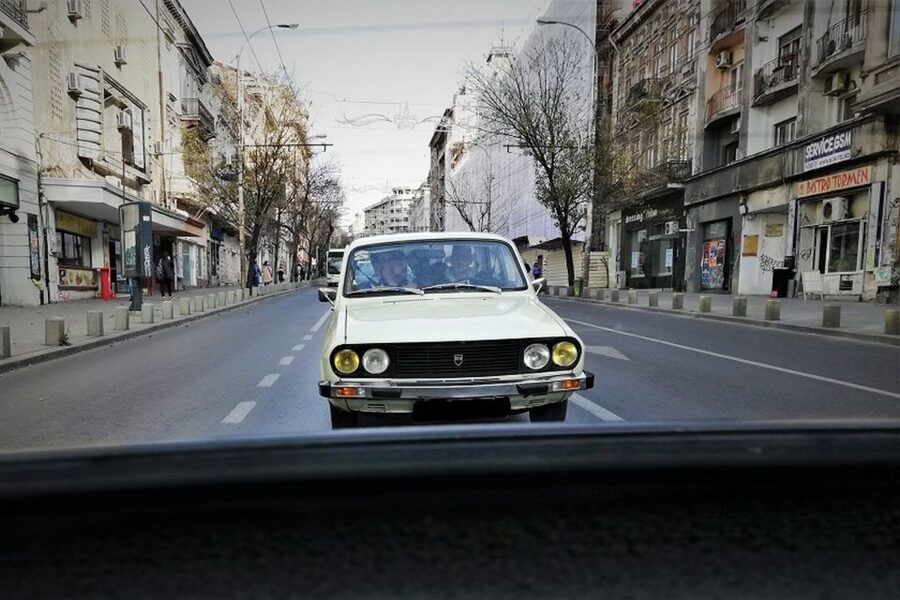
Bucharest looks very different from the back seat of a restored Dacia 1310, the boxy Romanian car that once filled the country’s roads. This private tour uses that old machine to connect three very different parts of the city: elegant Cotroceni, working-class Drumul Taberei, and poor Ferentari.
I like the tour’s focus on social contrasts, not just grand buildings. I also like the hotel pickup and private format, which make a half-day ride easy to fit into a Bucharest visit. The main drawback is the car itself: it has no air conditioning, power steering, ABS, GPS, or automatic transmission, and the subject matter in Ferentari can feel heavy.
Key points to know before you book
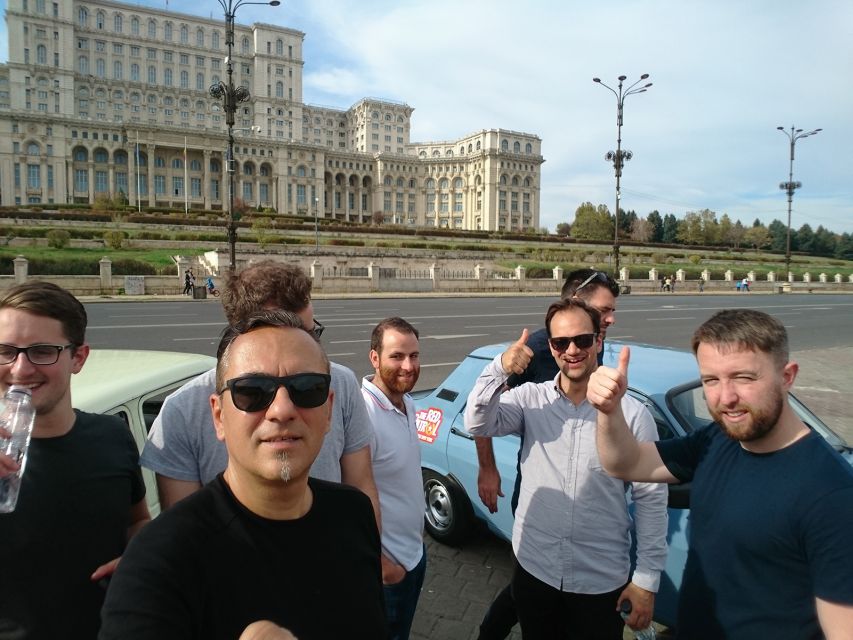
- A restored Dacia is the main attraction: You ride in a 1970s or 1980s Romanian car rather than a standard tour vehicle.
- Three neighborhoods tell three different stories: Cotroceni represents wealth, Drumul Taberei ordinary urban life, and Ferentari severe poverty.
- The tour lasts about 3.5 hours: Expect a guided circuit with several photo stops and a return to your Bucharest accommodation.
- The group is private: Three people fit in each vehicle, with a convoy possible for larger parties.
- The guide adds social context: The emphasis is on how people live, not only on monuments and dates.
- The ride has real limitations: Children under 10, pets, pregnant women, wheelchair users, and people with mobility impairments cannot join.
Why the old Dacia changes the Bucharest experience
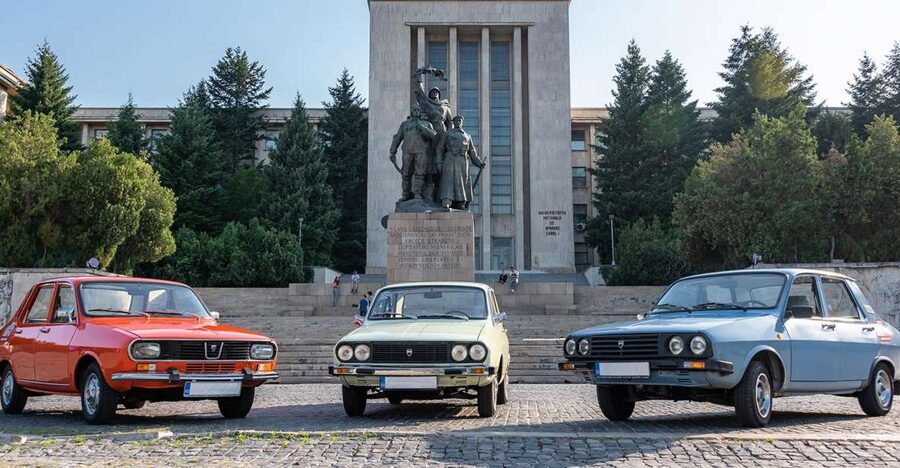
The Dacia 1310 is more than transport. It gives the outing a strong Romanian stamp before the guide says a word. This model belongs to the country’s communist-era road culture, and its basic design is part of the experience.
You cannot drive the car yourself. A local driver handles the route while you sit back and take photographs. The vehicle meets traffic safety rules, but it remains a vintage car, not a modern touring sedan. There is no air conditioning, ABS, GPS navigation, power steering, or automatic gearbox.
That matters most in summer, when the cabin may feel warm, and on streets where a smooth modern ride would be easier. In winter, the cars are heated. Comfortable shoes are still a good idea because the program includes short strolls and photo stops.
The car holds three people. If your party is larger, the operator can arrange a convoy. That makes this a better choice for a small family group of adults, a couple, or friends who want to stay together rather than join a large bus.
A few more Bucharest trips worth a look
- Bucharest: Palace of Parliament Tickets and Guide
★ 4.3 · 3,182 reviews - Bucharest: Palace of Parliament Tickets and Guided Tour
★ 4.4 · 1,877 reviews - Bucharest: Parliament Palace Skip-the-line Ticket
★ 4.2 · 1,518 reviews
Cotroceni, where Bucharest turns leafy and grand
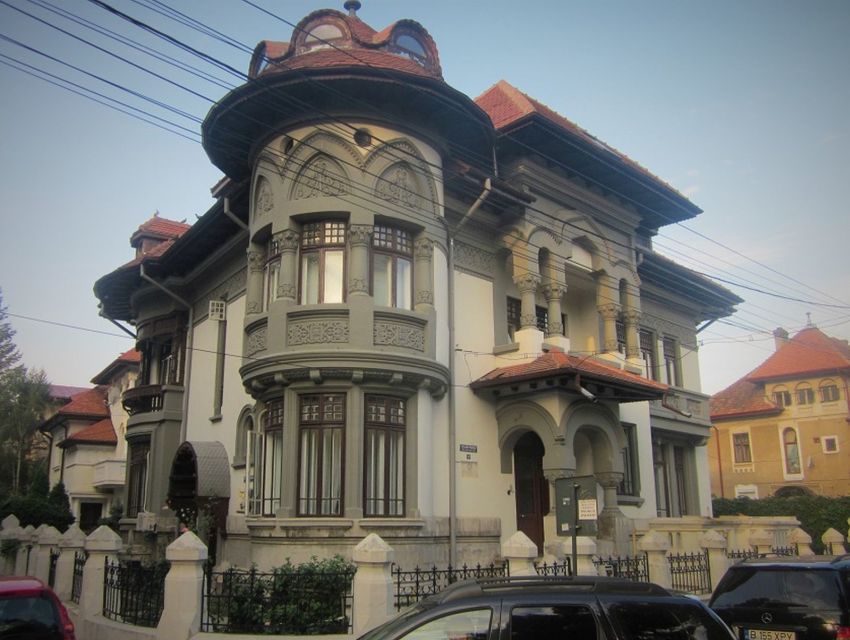
The first part of the route introduces Cotroceni, a residential quarter associated with villas, historic buildings, and the city’s wealthier residents. This is a useful counterpoint to the concrete apartment districts later in the day.
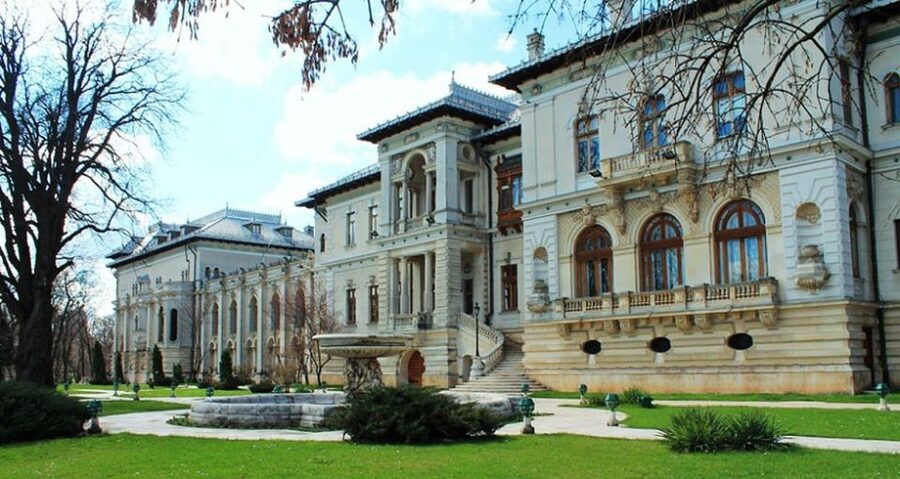
You may see the Cotroceni Palace, the presidential residence, along with the Military Academy building, the Botanical Garden, and villa-lined streets. The plan includes guided commentary and time for photographs rather than a long interior visit.
The itinerary also includes Bragadiru Palace, a 30-minute guided sightseeing and photo stop. The name can be confusing because the palace is not the same place as Cotroceni Palace. Here, the value is the contrast between formal architecture and the ordinary streets you pass between major stops.
At Fântâna Costache Negri, you get another 20-minute break for photographs and explanation. The stop gives the guide room to connect Bucharest’s public spaces with the people who use them, rather than rushing from one famous building to the next.
Cotroceni is likely the most comfortable section of the tour for visitors who want graceful architecture and attractive photographs. It is also the section that most clearly represents the city’s old and modern bourgeois life. Still, do not book this outing expecting a palace interior tour. The stated program focuses on exterior sightseeing, stories, and short stops.
Drumul Taberei, an everyday Bucharest district
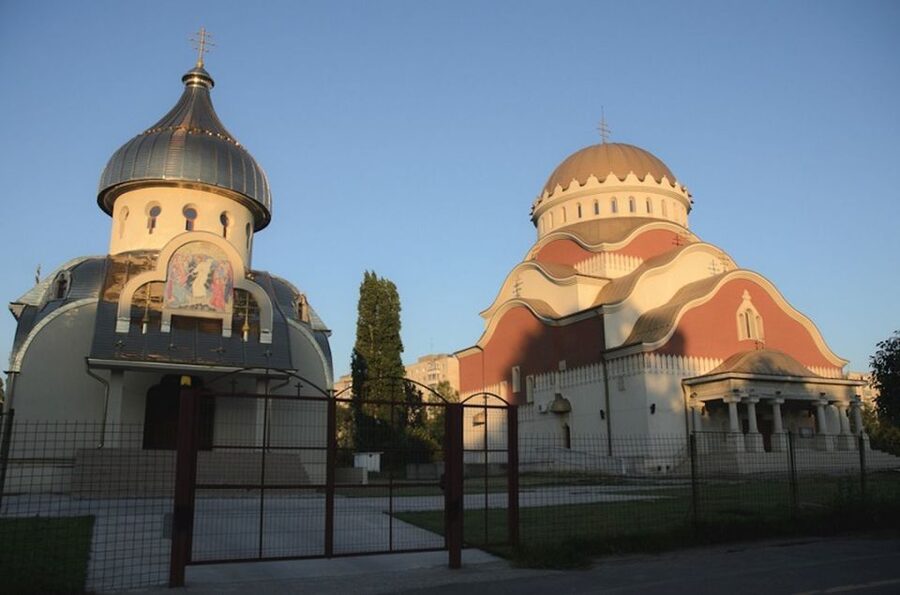
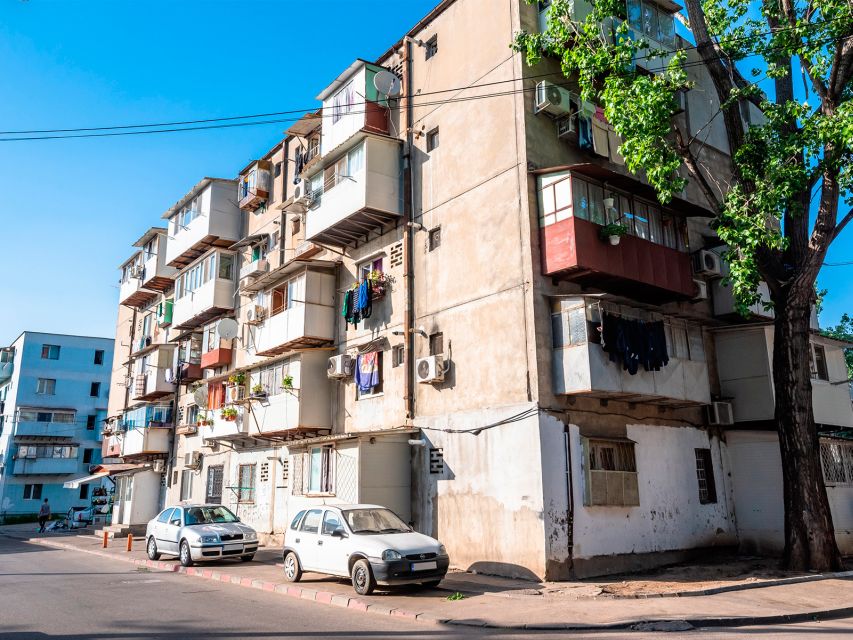
Drumul Taberei shifts the mood. This large neighborhood is known for communist-era apartment blocks, local markets, and Orthodox churches used by ordinary residents.
The tour gives you time to stroll and take photographs, with about 20 minutes specifically listed for the neighborhood. You are not simply looking at façades from a bus window. The guide explains how the district fits into daily Romanian life and why its broad blocks and public spaces matter.
A peasant market is part of the picture. That detail helps ground the visit in daily routines: shopping, churchgoing, and life in high-density housing. The neighborhood may not offer Bucharest’s most polished photographs, but it gives you a more useful sense of the city than another hour spent around central monuments.
Parcul La Broscuțe adds a 15-minute stop. The itinerary also includes a visit to Piața Rahova, with time for photographs and commentary. These places help connect the residential blocks to the wider southern part of Bucharest.
I like this middle section because it prevents the tour from turning poverty into a spectacle. You see a district where many people live ordinary lives, between the grand homes of Cotroceni and the hardship associated with Ferentari. That comparison is the point.
Ferentari and the difficult side of the city
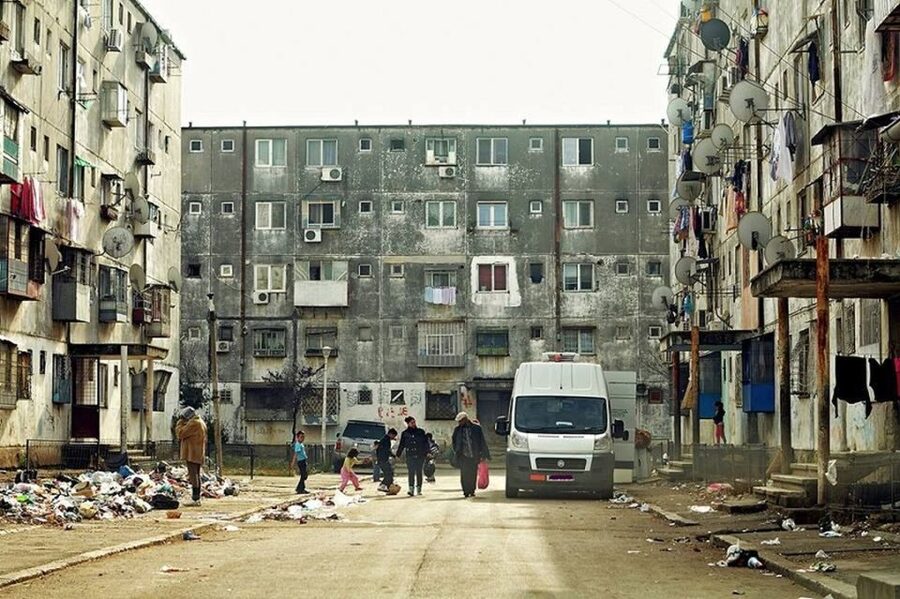
Ferentari is the most sensitive stop. The area is described as a poor district with ghetto-style buildings and is sometimes called Machala city. The guide uses the visit to explain the daily struggles of Romania’s poor and underclasses.
You should come prepared for a serious conversation, not a cheerful sightseeing stop. The photography here needs care and respect. The itinerary provides short guided stops on Strada Toporași and in the Ferentari area, but it does not promise a formal community visit or organized meeting with residents.
This part may be valuable if you want a fuller picture of Bucharest, including the inequality that polished central areas can hide. It may not suit you if you prefer a light city tour or feel uneasy taking photographs in disadvantaged neighborhoods.
The difference between the three districts is the tour’s central idea. Cotroceni shows wealth and status. Drumul Taberei shows mass urban housing and normal middle-class routines. Ferentari shows poverty and social exclusion. The guide’s job is to explain those contrasts without reducing residents to a backdrop.
That is why the guide matters so much. An English-speaking local guide provides the context that you cannot get from simply driving through. Mihai, one named guide associated with the experience, is noted for being friendly, well informed, and an excellent driver. You may not be assigned Mihai, but the praise points to the qualities you should expect from the guiding role: clear explanations, steady driving, and a personal approach.
A different sort of day out, same corner of Romania:
- Bucharest: City Highlights Guided Walking Tour
★ 4.9 · 1,482 reviews - Taste Bucharest: A Food Lover’s Tour of Markets & Neighbourhoods
★ 5.0 · 689 reviews - The Real tour of Communism
★ 5.0 · 666 reviews - Bucharest: Therme Bucharest Entry Ticket and Transfer
★ 4.6 · 608 reviews
Rahova, central monuments, and the ride home
After Ferentari and Strada Toporași, the route continues through Piața Rahova. This 15-minute stop gives you another view of southern Bucharest and helps link the neighborhood visits to the wider city.
The final major sight is the Palace of the Parliament, with about 20 minutes for sightseeing, photographs, and explanation. The enormous building is one of Bucharest’s best-known landmarks, but seeing it at the end has a practical benefit: you have already considered how different groups live in the city before arriving at one of its most imposing symbols of state power.
The tour then returns you to Bucharest. Hotel pickup and drop-off are included, which saves you from arranging a taxi to an out-of-the-way starting point. The exact pickup details and starting time depend on availability, so check them when booking.
Water is provided in the car, and a souvenir is included. Personal expenses are not covered, so bring money only if you plan to buy something during a stop. Large bags, oversize luggage, smoking, alcohol, drugs, pets, and children under 10 are not allowed.
What the 3.5-hour schedule feels like
Three and a half hours is a sensible length for this subject. It gives the guide time to explain the districts without turning the tour into a full-day commitment.
The schedule includes several short stops:
- Bragadiru Palace: 30 minutes
- Fântâna Costache Negri: 20 minutes
- Cotroceni Palace: 15 minutes
- Parcul La Broscuțe: 15 minutes
- Drumul Taberei: 20 minutes
- Piața Rahova: 15 minutes
- Strada Toporași: 10 minutes
- Palace of the Parliament: 20 minutes
Those listed stops add up to more than two hours, leaving the rest of the time for driving between locations and the hotel transfer. That is useful to understand. You spend a fair part of the tour on the road, listening to the guide and watching Bucharest change outside the windows.
The outing is not a walking tour with long visits inside buildings. It is a moving city lesson with brief walks, exterior views, and conversation. If you want museums or extended palace interiors, choose a different tour. If you want to understand the city’s neighborhoods while riding in an unusual car, the format works better.
Is $126 per person good value?
At $126 per person, this is not the cheapest way to see Bucharest. You are paying for private transport, hotel pickup and return, a dedicated English-speaking guide, the restored Dacia, water, and a souvenir.
The value depends on your priorities. A standard city tour may cover more central landmarks for less money. This experience offers something harder to find: a private route built around social history and neighborhood contrasts, with a distinctive Romanian car as the setting.
For three people sharing a vehicle, the private format can feel more reasonable because the guide’s attention stays with your group. Larger parties may need several cars, which can raise the total cost and make conversation between vehicles harder.
I would consider it good value for a first-time visitor who has already seen the central sights or wants a second tour with a different purpose. One recent participant used a conventional historical city tour first and then found this social-focused ride a useful addition. That combination makes sense. The two outings answer different questions.
The tour has a perfect rating from four recorded reviews, including strong praise for the friendly guiding, the car, and the informative explanations. That is encouraging, but it is still a small sample. I would put more weight on the clear itinerary and the practical details than on the rating alone.
Who should book this vintage-car tour?
I would recommend it to adults who enjoy:
- Social history and local life
- Unusual transport
- Small private groups
- Photography and exterior sightseeing
- Guided discussion rather than a simple checklist of landmarks
- Seeing districts beyond the central tourist zone
It suits couples and small groups especially well. The private setup lets you ask questions about Romania’s past and present without waiting for a large group to catch up.
It is less suitable for young families because children under 10 are not allowed. It is also not designed for people with mobility impairments or wheelchair users. Pregnant women should not book it, according to the stated restrictions.
The car’s limitations deserve a final reminder. No air conditioning, automatic gear drive, power steering, or GPS means this is a characterful ride, not a luxury one. If you need a quiet, climate-controlled vehicle, choose a modern private tour instead.
Practical tips for a better ride
Wear comfortable shoes for the short walks at the parks, markets, and neighborhood stops. Keep your camera ready, but use good judgment in Ferentari and avoid treating private homes or residents as tourist props.
Travel light. Large bags and oversize luggage are not permitted, and the compact vintage car has limited room. Water is supplied, so you do not need to carry a large bottle.
Ask questions. The greatest value comes from the guide’s explanation of how the neighborhoods differ. Ask about the apartment blocks, the markets, the villas, and the social changes behind what you see.
Plan around the weather. Winter cars are heated, but the Dacia has no air conditioning for hot weather. The open-ended photo stops may also feel different on a cold or wet day.
The tour is offered in English with a live guide. Cancellation is free up to 24 hours before departure, and you can reserve now and pay later. Confirmation is normally sent at booking, though reservations made within five days of travel may be confirmed within 48 hours, subject to availability.
Should you book it?
Book this tour if you want Bucharest explained through its neighborhoods rather than only its monuments. The restored Dacia makes the ride memorable, but the stronger reason to go is the route from Cotroceni to Drumul Taberei to Ferentari. You see how wealth, ordinary urban life, and poverty occupy different parts of one city.
Skip it if you want a polished luxury vehicle, indoor palace visits, or a lighthearted sightseeing loop. The car is basic, the Ferentari section is serious, and the tour asks you to look at difficult social realities.
For the right visitor, $126 buys more than transport. It buys a private, pointed look at Bucharest, with a Romanian classic car carrying you from one social world to another.
FAQ
How long does the Bucharest vintage-car tour last?
The tour lasts about 3.5 hours, though the description gives a general range of three to four hours.
What type of car is used?
You ride in a fully restored Dacia 1310, also described as a Dacia 1300 or 1310 from the 1970s or 1980s.
Can I drive the Dacia?
No. Participants are not allowed to drive the car. The driver handles the route.
How many people fit in one vehicle?
Three people fit in each vehicle. A convoy can be arranged if more people are joining.
Is hotel pickup included?
Yes. Pickup and drop-off from accommodations in Bucharest are included.
What language is the tour offered in?
The tour is offered in English with a live guide.
Are children allowed to join?
Children under 10 are not allowed on the tour.
Is the tour suitable for wheelchair users?
No. The experience is not suitable for wheelchair users or people with mobility impairments.
Does the car have air conditioning and automatic transmission?
No. The Dacia does not have air conditioning, ABS, GPS navigation, power steering, or automatic gear drive. The cars are heated during winter.
Can I cancel the booking?
Yes. You can cancel up to 24 hours before the tour for a full refund.
Newest Bucharest trips on the site
- Winery touring & private wine tasting – one day private tour★ 5.0 · 3 reviews
- Bucharest: Dealu Mare Winery Private Trip with Wine Tasting★ 4.9 · 6 reviews
- Village Museum Bucharest Guided Tour★ 5.0 · 6 reviews
- Private Transfer from Giurgiu Port to Bucharest★ 4.5 · 12 reviews
- Airport Henri Coanda (Otopeni) to Bucharest – Private Transfer – Driver★ 5.0 · 5 reviews
- Salt Mine Tour from Bucharest with Entrance Ticket★ 4.5 · 19 reviews
- Wine tasting in Bucharest Old town – bonus cheese platter★ 4.5 · 6 reviews
- Walking tour of Bucharest★ 5.0 · 3 reviews
Private, compared.

Castles of Transylvania: Private Day Trip from Bucharest
Read our review →
Dracula’s Castle, Peles Castle and Brasov – Private Day Trip from Bucharest
Read our review →
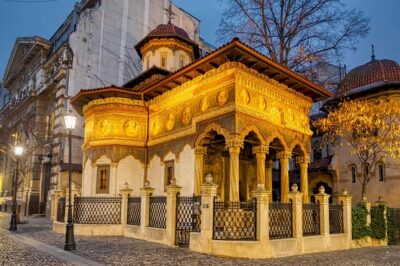
Bucharest Panoramic Sightseeing – Private City Tour
Read our review →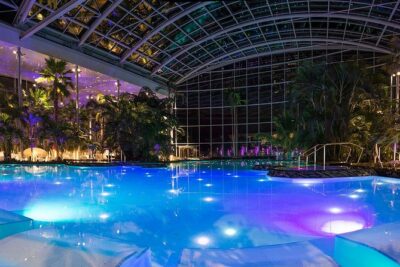
THERME “Take It Easy” Pack: Full Spa Access + Private Transfers
Read our review →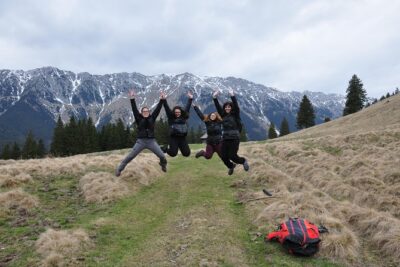
Piatra Craiului National Park Private Hiking Tour from Brasov
Read our review →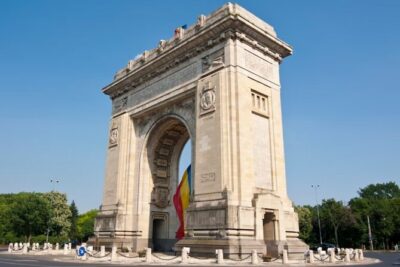
4h Bucharest Private Tour (2h by Car and 2h Walking in Old Town)
Read our review →