
Reviewed · SALT MINE TOURS
Cluj-Napoca: Turda Salt Mine & Alba Carolina Fortress Tour
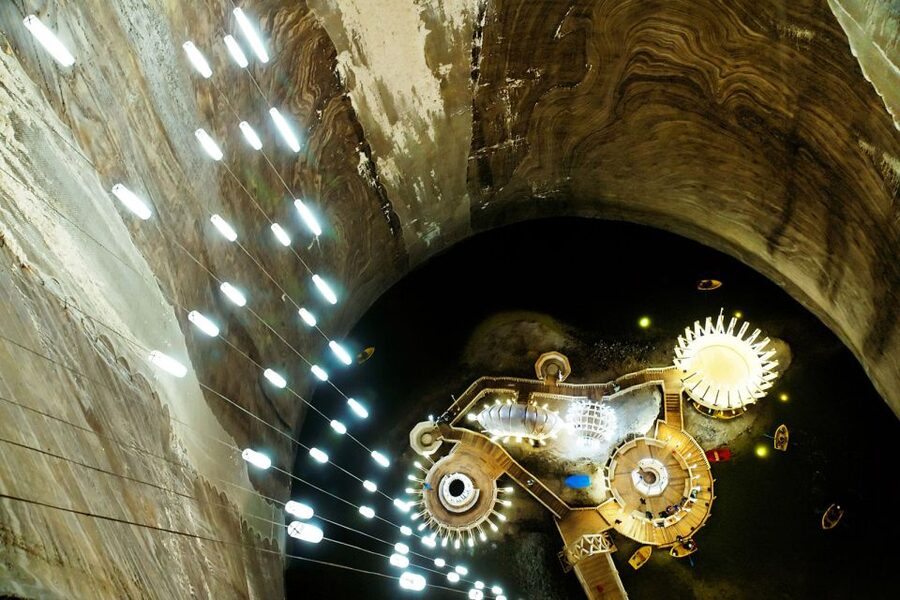
Turda Salt Mine is the big surprise here: galleries cut through ancient salt deposits open into a cavern so large it feels like an underground hall, with a 90-meter-high chamber, a salt lake, and a glass elevator. I like the contrast between this quiet, cool world and Alba Iulia’s grand military architecture. I also like the private format, which gives you room to ask questions and set a comfortable pace.
The catch is the length. Ten hours is a full day, and this tour is not suitable for wheelchair users or people with mobility impairments. Lunch costs extra, and you should wear proper walking shoes.
Key points to know before booking
- A 90-meter salt chamber: Turda’s main underground room is the day’s most striking sight, with a salt lake and boat ride available inside the mine.
- Six-pointed Alba Carolina: Alba Iulia’s fortress has six decorated gates and roughly 12 kilometers of surrounding walls.
- Roman, medieval, and Vauban layers: The fortress began as a Roman fort, later served as a medieval stronghold, and became an 18th-century Vauban citadel.
- A private 10-hour outing: You travel with your own group and a live English-speaking guide rather than joining a large shared party.
- A guide who can add real context: Guides called Joseph and Josif have been praised for history knowledge, patience, organization, and answers about Romanian life.
- Cool temperatures underground: Turda Salt Mine stays between 10 and 12 degrees Celsius year-round, so bring a light layer.
Why this Cluj-Napoca day trip works
This tour links two very different places in Transylvania. Alba Iulia takes you through layers of political and military history above ground. Turda takes you into the earth, where centuries of salt mining have left behind enormous chambers.
I like that the day is not just another fortress visit. Alba Iulia gives you architecture, royal symbolism, and Roman remains. Turda provides the visual shock. After a morning of walls, gates, churches, and historical detail, you enter a cavern cut from salt and look down from a glass elevator into a space 90 meters high.
The private format matters. A good guide can explain why Alba Iulia mattered to Roman authorities, how German and Hungarian influences shaped the town, and why the fortress was built in its unusual star form. You also have a better chance to ask about modern Romania, local customs, and daily life. Guides Joseph and Josif have been described as attentive, well organized, and able to answer a wide range of questions.
Still, you should treat this as a major day outing, not a relaxed half-day excursion. The schedule includes transport between Cluj-Napoca, Alba Iulia, and Turda, plus walking at both sites. If you are already worn out from a long Romanian itinerary, the sheer number of sights and the underground walking may catch up with you.
More Salt Mine Tours in Cluj-Napoca
- Cluj: Turda Salt Mine, Corvin Castle, Alba Carolina Tour
★ 4.8 · 184 reviews - From Cluj: Turda Salt Mine, Gorge, and Remetea Full-Day Trip
★ 5.0 · 84 reviews - Turda salt mine 4h tour from Cluj
★ 5.0 · 73 reviews
Alba Iulia and the city of Roman foundations
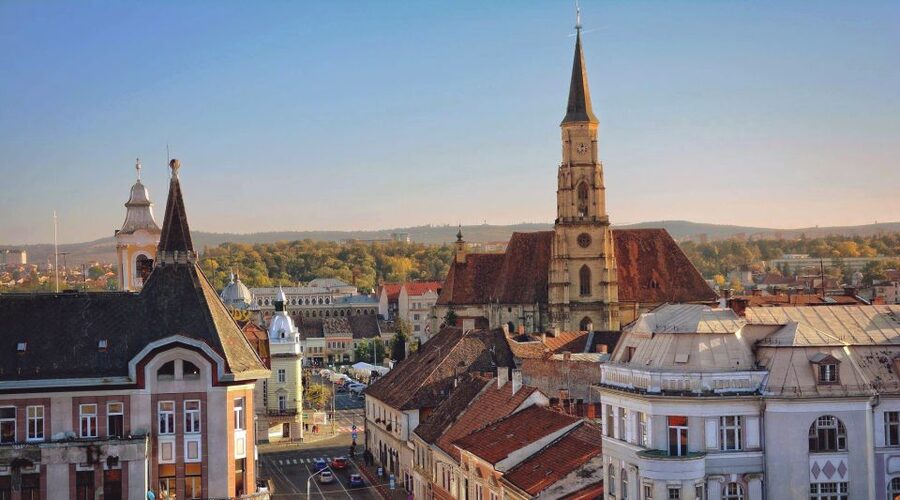
Your morning begins with the drive to Alba Iulia, a city in the heart of Transylvania. The town’s identity comes from several eras rather than one single story. Roman influence is central, since Apulum was an important Roman settlement and the largest Roman castrum in the area.
Later, Hungarian and German influences helped shape the city. That mix appears in the buildings and historic streets, where you may encounter Baroque and Romanesque churches, Roman fortifications, and an unusual Babylonian-style building. The point of the visit is not to see one isolated monument, but to understand why Alba Iulia feels like a meeting point of cultures and periods.
Your guide is especially useful here. Without context, a Roman remnant, a church facade, and a military gate can blur together. With explanations, you can see how the city changed as rulers, armies, and communities left their mark.
The Roman connection also gives the day a useful opening. You begin with the ancient strategic value of the region before moving into the fortress that later controlled the area. That sequence makes Alba Iulia easier to understand than a quick photo stop would be.
Walking through the six-pointed Alba Carolina Fortress
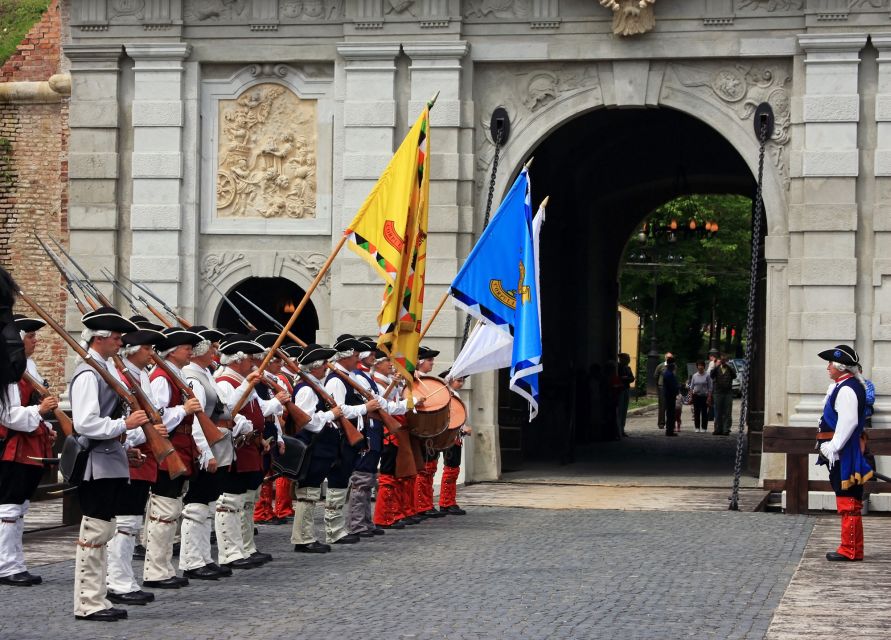
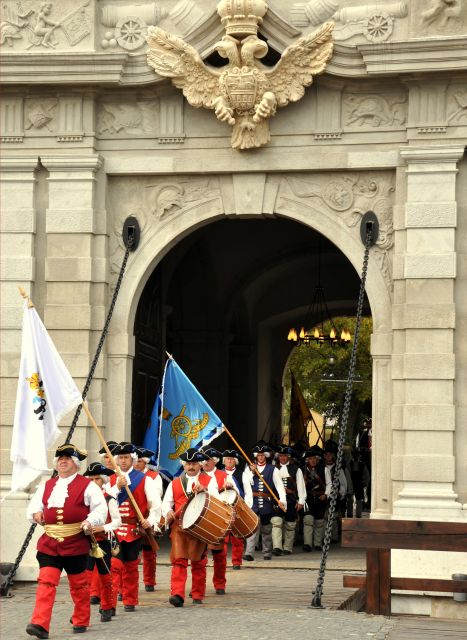
Alba Carolina is the main historical stop. This 18th-century fortress is Romania’s largest, and its six-pointed star shape is easy to appreciate once you are inside the fortified area.
The fortification is surrounded by about 12 kilometers of walls. Its location in the center of the country, with the Carpathian Mountains around it, gives the site symbolic importance as well as military value. It is also associated with the place where Romanian kings were crowned.
The six entrances are a major part of the visit. Each has Baroque decorative elements, adding ornament to a structure built for defense. That mix is one of the pleasures of Alba Carolina. You are looking at military architecture, but the gates are not plain blocks of stone. They carry the formal style of European 18th-century design.
The fortress also reveals three major stages of construction:
- It began as a Roman fort.
- It later became a medieval fortress.
- It was rebuilt as a Vauban-style citadel with bastions.
That layered design gives your guide plenty to explain. You can ask how the fortress changed with military technology, why bastions mattered, and how the site became tied to Romanian state ceremony.
Expect walking on a historic site rather than a simple indoor museum visit. Comfortable shoes are essential. The tour is not suitable for people with mobility impairments or wheelchair users, so think carefully about the physical demands before booking.
Lunch in a medieval setting
After the fortress visit, lunch is planned in a medieval atmosphere. The meal is not included in the $274 price, so allow about €12 per person for lunch.
This arrangement gives you a useful break in a long day. You can sit down, eat, and let the morning’s history settle before heading to Turda. You also avoid the problem of rushing through the second major stop while hungry.
Because the price is approximate, bring enough flexibility for your meal and personal expenses. The tour includes a bottle of water, but you should not assume that every food or drink cost is covered.
The break is also one place where the private format helps. A private guide can give you adequate personal time rather than moving a large group through a fixed meal schedule. One guide was specifically praised for keeping the group hydrated and allowing enough time on its own.
More salt mine trips from Cluj Napoca:
- Turda Salt Mine, Corvin Castle and Alba Fortress from Cluj
★ 5.0 · 65 reviews - Turda Salt Mine 4h guided tour from Cluj
★ 4.9 · 45 reviews - Cluj: Turda Salt Mines, Rimetea, and Coltesti Fortress Tour
★ 4.9 · 42 reviews - Day Trip To Turda Salt Mine, Rimetea Village & Coltesti Fortress
★ 5.0 · 25 reviews
Going underground at Turda Salt Mine
Turda Salt Mine changes the mood completely. Salt deposits in this area formed 13 million years ago, and about 2,000 years of mining created the galleries and chambers you see today.
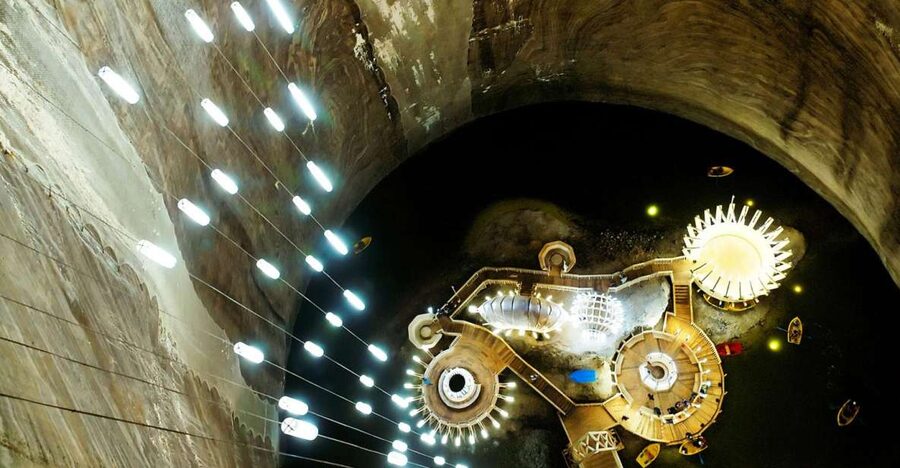
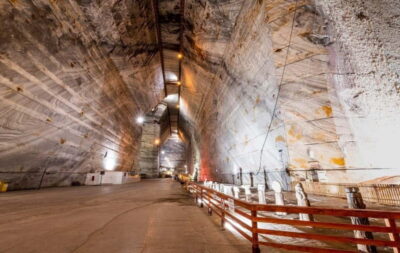
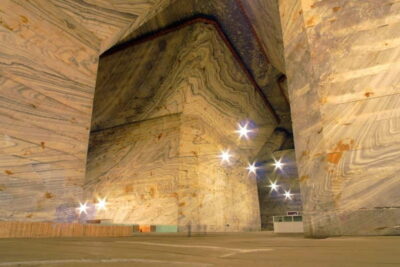
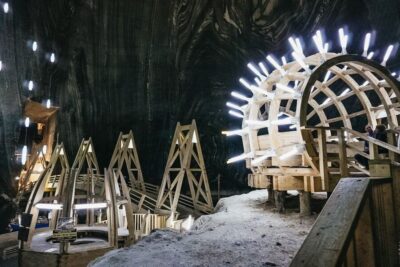
The access galleries run for hundreds of meters before opening into the huge underground room. The main chamber reaches about 90 meters in height. That scale is what makes the mine more than a routine industrial site. Salt walls, dim light, and the sudden width of the chamber create a powerful visual contrast with the narrow approach.
You can take a boat ride on the salt lake in the middle of the mine. The attraction is not simply the ride itself. It gives you a different way to take in the chamber, with water below and salt-carved walls rising around you.
A glass elevator provides another view. From above, you can see the size and depth of the cavern more clearly than you can from the floor. Bring a camera if you like dramatic images, but remember that the low light and unusual scale may make ordinary snapshots less impressive than the actual experience.
The mine stays between 10 and 12 degrees Celsius throughout the year. That is welcome on a hot summer day, but it can feel cold if you arrive in light clothing. A sweater or light jacket is a sensible addition to your day bag.
The salty air is also associated with therapeutic benefits, especially for people with respiratory problems. Treat that as an added feature, not a medical treatment. The tour is primarily a cultural and geological visit.
What the private guide adds
A guide can make or break a day with this much history. The strongest part of the guiding here is the ability to connect facts rather than simply recite dates.
Guide Joseph was described as a history major who could answer detailed questions and adjust the day around a guest’s schedule. Josif was praised for enthusiasm about Transylvania, its customs, and its culture. Another description emphasized clear organization and broad knowledge.
You should still confirm the guide language when booking. English is listed as the standard live tour language, while German and French guides are available on request. The private group setup means the guide is working with your party, not a large mixed crowd.
That can be useful in three ways:
- You can ask for clarification when a historical name or period becomes confusing.
- You can use free time for questions about Romania beyond the monuments.
- You can tell the guide when you need water, a pause, or a little more time for photographs.
The day remains structured, but it does not have to feel like a race from one plaque to another. That personal contact is a real part of the value.
Is $274 a fair price?
At $274 per person, this is not a budget outing. The price needs to be judged against what you are getting: a private 10-hour tour, a live English-speaking guide, transportation between major sites, entrance to Turda Salt Mine, and a bottle of water.
Lunch is extra at about €12 per person, and personal expenses are not covered. The main question is how much you value a private guide and a single organized day. If you would otherwise arrange transport, research Alba Iulia, book the salt mine, and manage the timing yourself, the package may be worthwhile.
The value is strongest for first-time visitors to Romania who want context rather than just transport. Alba Iulia and Turda are easy to appreciate visually, but the Roman, medieval, Hungarian, German, Romanian, and Vauban connections make more sense with explanation.
The price is less attractive if you mainly want a quick look at each place or prefer to travel slowly. Ten hours is a long commitment, and you are paying for two substantial stops in one day. Independent travelers who enjoy planning their own route may prefer separate visits.
Who should book this tour?
I would recommend it for you if you want to see two major Transylvanian sights from Cluj-Napoca without managing the route yourself. It suits history fans, first-time visitors, photographers, and anyone curious about how Roman and later European influences shaped central Romania.
It also fits people who enjoy asking questions. The guide’s role goes beyond pointing out gates and walls. You can ask about Romanian history, the population, customs, and the meaning of the fortress.
You should think twice if you dislike long day trips, have difficulty walking, or want a slow schedule with plenty of unplanned time. The fortress and mine both require movement, and the underground temperature may not suit everyone.
Bring your passport or ID card, comfortable shoes, and a warm layer for Turda. Pets are not allowed. Free cancellation is available up to 24 hours before departure, and you can reserve now and pay later, which is useful if your Cluj-Napoca plans are still shifting.
Final verdict on Alba Iulia and Turda
Book this tour if you want a private, history-focused day that combines a major fortress with one of Romania’s most unusual underground sights. Alba Iulia gives you the historical framework. Turda supplies the memorable final act.
I especially like the pairing of the two sites and the chance to travel with a guide such as Joseph or Josif, whose approach has included patient explanations, local insight, and time for questions. The drawback is simple: this is a full day at a fairly high price, with lunch extra and some physical demands.
For a curious visitor based in Cluj-Napoca, the combination is strong. You return with more than photographs. You get a clearer sense of how Roman power, medieval rule, European military design, and Romanian identity meet in this part of Transylvania.
FAQ
How long does the Alba Iulia and Turda Salt Mine tour last?
The tour lasts 10 hours, including the visits to Alba Iulia, Alba Carolina Fortress, and Turda Salt Mine.
What is included in the tour price?
The price includes an English-speaking guide, entrance fees to Turda Salt Mine, and a bottle of water. A first-occupancy fee for the tour leader is included for groups of at least 20 people.
Is lunch included?
No. Lunch is not included. The expected cost is about €12 per person.
What language does the guide speak?
The live tour guide language is English. German and French-speaking guides are available on request.
Is this a private tour?
Yes. The activity is offered for a private group.
What should I bring?
Bring a passport or ID card and comfortable shoes. A light jacket is also sensible because Turda Salt Mine remains between 10 and 12 degrees Celsius year-round.
Is the tour suitable for wheelchair users?
No. The tour is not suitable for wheelchair users or people with mobility impairments. Pets are also not allowed.
Newest Cluj Napoca trips on the site
- Private tour to Turda Salt Mine, Rimetea and Alba Iulia★ 4.8 · 5 reviews
- Turda salt mine and Corvin Castle day tour from Cluj★ 5.0 · 9 reviews
- Turda Salt Mine, Gorge & Rimetea Village (private from Cluj)★ 5.0 · 5 reviews
- 1250cc Motorcycle Rental from Turda★ 5.0 · 4 reviews
- Day Trip to Turda Salt Mine and Corvin Castle from Timisoara★ 5.0 · 10 reviews
- Discover Apuseni Mountains – Scarita Summit,Sipote Waterfall and Dumesti Village★ 5.0 · 17 reviews
- CLUJ ADVENTURE TOUR ! ZIP LINE and HIKE★ 5.0 · 15 reviews
- Turda salt mine, Rimetea village and Alba Iulia, from Cluj★ 5.0 · 11 reviews
Salt Mine Tours, compared.
Turda Salt Mine, Corvin Castle, Alba Carolina Tour
Read our review →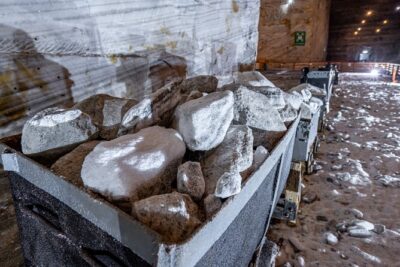
Turda Salt Mine, Gorge, and Remetea Full-Day Trip
Read our review →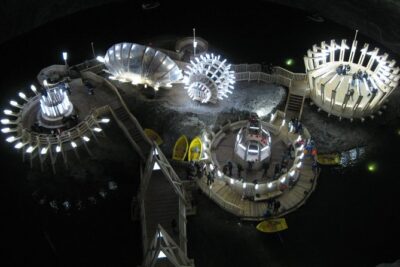
Turda Salt Mine, Corvin Castle and Alba Fortress from Cluj
Read our review →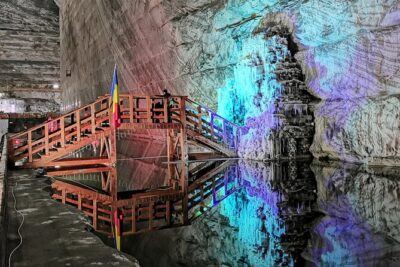
Private Tour to Salt Mine, Lunch at Winery and Dracula Grave
Read our review →Browse the lists this tour appears in