Reviewed · GUIDED
Explore Romania – 14 Days Private Guided Tour
Romania’s greatest strength is its variety, and this 14-day private route gathers nearly all of it: royal castles, fortified Saxon villages, wooden churches, painted monasteries, steam trains, and the bird-filled Danube Delta. You travel with your own guide and driver, rather than following a large coach timetable.
I like the chance to sleep in a traditional wooden house in Breb and the built-in time for local meals. I also like the personal approach associated with guide George Trandafir, who can adjust the pace and explain Romania’s past in plain English. The main drawback is the amount of driving. You cover a great deal of ground, and some days will feel more like a road journey than a sightseeing day.
Key points at a glance
- Private transport throughout: Your group travels by air-conditioned car or minivan with a private driver.
- Four very different regions: The route links Transylvania, Maramures, Bucovina, and the Danube Delta.
- Unusual overnight stays: Three nights are spent in Breb, with traditional food and old-style wooden-house accommodation.
- Strong UNESCO focus: The program includes 14 UNESCO World Heritage Sites, including Sighisoara and the Bucovina monasteries.
- Wildlife by boat: Two Danube Delta boat rides offer your best chance to see birds, channels, animals, and remote villages.
- Good for a small private group: The schedule can be shaped around your interests and physical needs more easily than a fixed group tour.
Why this route works for seeing Romania
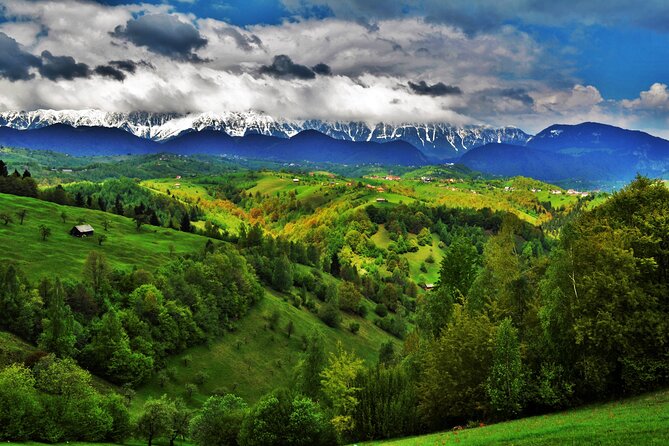
Romania is not a country you can neatly cover from one base. Bucharest sits far from the painted monasteries of Bucovina, and the Danube Delta is well away from the Transylvanian towns that most first-time visitors want to see.
This tour solves that problem with a long loop from Bucharest through central Romania, north to Maramures, east to Bucovina and Iasi, south to the Delta, and back to Bucharest. It is ambitious, but the route has a clear purpose. Each region feels different in architecture, food, customs, and scenery.
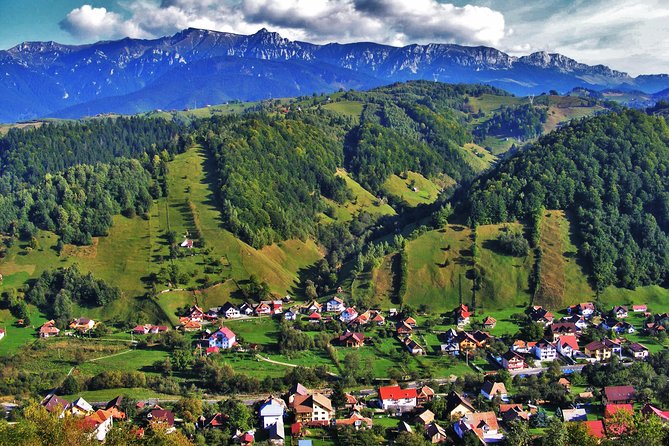
You also avoid the usual weakness of a rushed highlight tour. Three nights in Maramures and two nights in the Delta give you time to slow down. Those longer stays matter because the best moments here are not always inside a famous monument. They may come from a village meal, a wooden gate, a water mill, or a quiet boat ride at sunset.
A few more Bucharest trips worth a look
- Bucharest: Palace of Parliament Tickets and Guide
★ 4.3 · 3,182 reviews - Bucharest: Palace of Parliament Tickets and Guided Tour
★ 4.4 · 1,877 reviews - Bucharest: Parliament Palace Skip-the-line Ticket
★ 4.2 · 1,518 reviews
Days 1 and 2: Bucharest, Sinaia, and Brasov
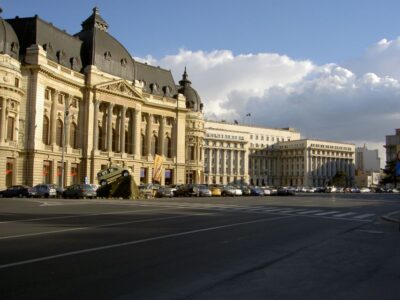
Your guide meets you at the airport and takes you to your Bucharest hotel. Depending on your arrival time, you may begin with a walking tour of the historic center, the Palace of the Parliament, and the Village Museum.
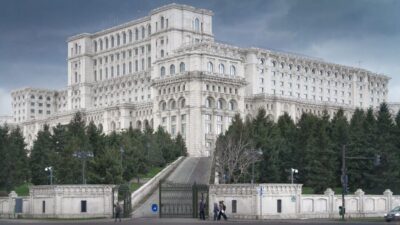
The Palace of the Parliament gives you a sharp introduction to Romania’s communist era. The Village Museum offers a different view, with traditional buildings brought together from rural parts of the country. These two stops work well side by side: one shows state power and excess, the other shows ordinary village life.
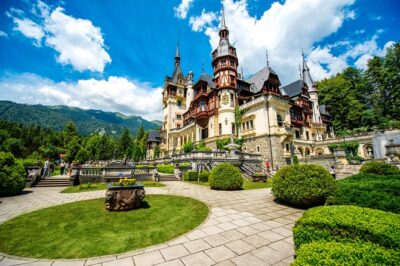
On day two, you leave Bucharest for Brasov, stopping in Sinaia for Peles Castle. This former royal residence is one of the tour’s visual highlights. The setting and ornate interior make it more than a quick photo stop, though you should expect a full day with road time.
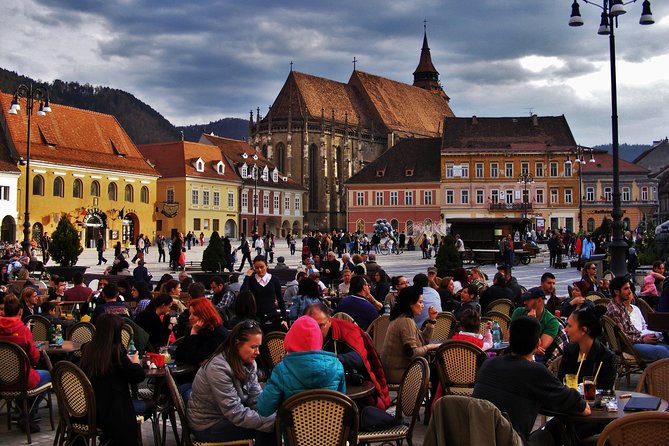
Brasov is one of Romania’s easiest medieval towns to enjoy on foot. The old city gives you a pleasant change after the capital, with a compact center and a slower evening pace. Overnighting here is useful because you do not have to return to Bucharest after the castle visit.
Days 3 and 4: Sighisoara and the old Saxon villages
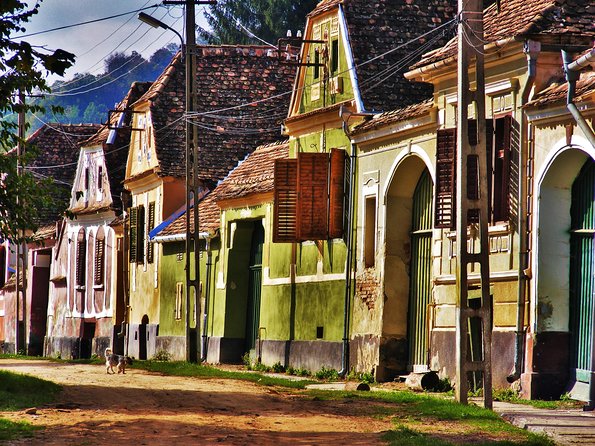
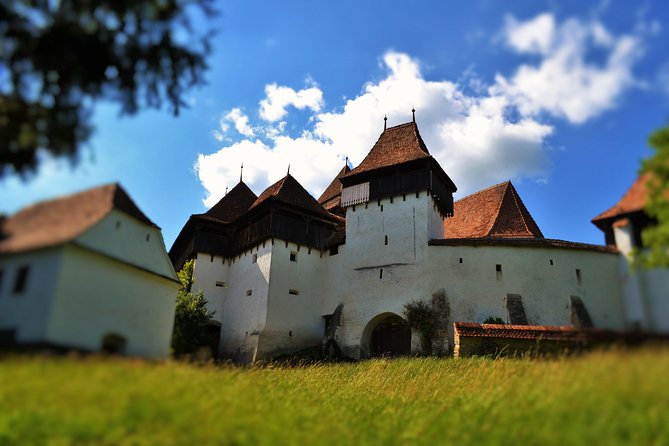
The route continues into Transylvania, with a stop at Viscri and its fortified church before reaching Sighisoara. Viscri is valuable because it shows the rural side of the Saxon tradition, while Sighisoara gives you the preserved citadel experience.
Sighisoara Citadel is a UNESCO World Heritage Site and one of the clearest medieval stops on the trip. Its old streets are compact, but the uphill sections and uneven surfaces may require care. Take your time here. A private guide can explain how the fortified towns functioned, rather than treating the citadel as a quick backdrop for photographs.
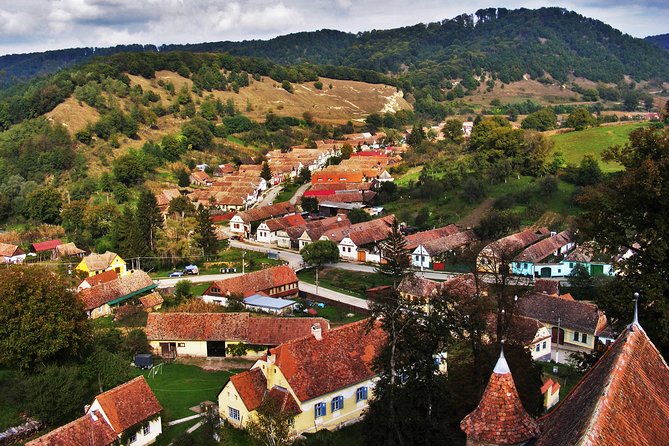
The next day brings Malancrav and Biertan, two Saxon villages with old fortified churches, followed by Sibiu. This is one of the best portions of the route for seeing how Transylvania’s German-speaking settlers shaped village layouts, churches, and defensive buildings.
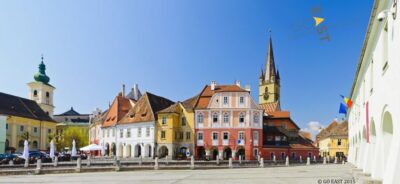
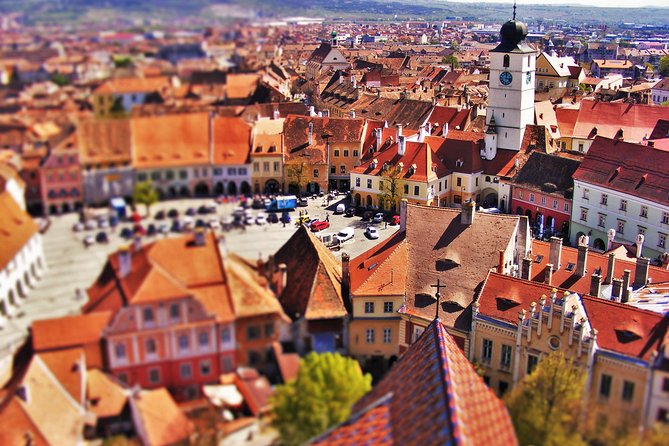
Sibiu deserves more than a passing stop. The plan gives you time to explore its old city, and that is welcome. You get a fuller urban experience here than at some of the smaller villages, with room to walk, eat, and recover from the road.
Days 5 and 6: Corvin Castle and the road to Maramures
The fifth day combines more time in Sibiu with a visit to Corvin Castle. The castle has a different feel from Peles. Peles is a royal residence with decorative polish, while Corvin is a fortress-like Gothic structure with towers, walls, and a more dramatic medieval character.
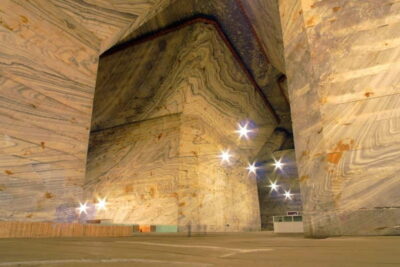
The distance between highlights becomes more noticeable from this point. The drive toward Maramures includes a stop at Turda Salt Mine, an impressive underground attraction that breaks up the journey. You should expect a long transfer day, but the stop gives it a clear reason.
In the evening, you arrive in Breb. This village becomes your base for three nights, and the accommodation is part of the experience rather than just a bed for the night. You stay in a traditional wooden house with old furniture and eat meals prepared by local people.
That arrangement will appeal to you if you value contact with rural life over polished hotel service. It may feel simple compared with a city hotel, so clarify room and bathroom arrangements before booking if comfort standards are especially important to you.
A different sort of day out, same corner of Romania:
- Bucharest: City Highlights Guided Walking Tour
★ 4.9 · 1,482 reviews - Taste Bucharest: A Food Lover’s Tour of Markets & Neighbourhoods
★ 5.0 · 689 reviews - The Real tour of Communism
★ 5.0 · 666 reviews - Bucharest: Therme Bucharest Entry Ticket and Transfer
★ 4.6 · 608 reviews
Days 6 to 8: Maramures, wooden churches, and the Mocanita train
Maramures is the section most likely to feel far removed from a standard European sightseeing circuit. The program includes wooden churches in Budesti, Desesti, Ieud, and Barsana, along with the Merry Cemetery in Sapanta and the anti-communism memorial in Sighet.
The wooden churches show the skill of local builders and the strong religious traditions of the region. Their scale and materials make them feel closely tied to the villages around them. Barsana is especially well known, but the value of visiting several churches is that you can compare their forms and settings rather than treating one as an isolated monument.
Sapanta’s Merry Cemetery brings a very different tone. Its painted grave markers use humor and plain storytelling to describe lives and deaths. The result is unusual, memorable, and more human than a formal memorial.
At Sighet, the anti-communism memorial adds political context. It helps connect Romania’s rural traditions with the difficult 20th-century history that shaped modern life. This is one reason a good guide matters. George Trandafir is described as an informed historian and a fluent English speaker, with a style that includes humor and room for questions.
The visit to a water mill in Sarbi offers another useful look at older village methods. It is a small-scale stop, but it helps you understand how local communities worked before modern machinery changed daily routines.
One day includes a ride on the Mocanita steam train through forests, valleys, and remote villages. This is not simply transportation. It is a slow, scenic activity that gives the Maramures stay a strong centerpiece. Train schedules and operating conditions can vary, so confirm the exact departure details before you travel.
Days 9 and 10: Bucovina’s painted monasteries
From Maramures, the route crosses to Bucovina, in northeastern Romania. You stop at Moldovita Painted Monastery before staying in Gura Humorului.
The painted monasteries are among Romania’s most distinctive cultural sights. Their exterior walls carry large religious scenes, created when images served as a major way to teach biblical stories. The colors and compositions are striking, but the real value comes from seeing how art, faith, and regional identity meet in one place.
The following day includes Voronet and Humor, both listed as UNESCO sites, before the drive to Iasi. Voronet is often singled out for its famous blue exterior, while visiting more than one monastery lets you see differences in decoration and setting.
This section is culturally focused, so it may suit you more than someone looking only for dramatic castles. The tradeoff is another long transfer to Iasi. Still, Iasi gives the route a useful eastern-Romanian stop before the final move toward the Delta.
Days 11 to 13: The Danube Delta by boat
From Iasi, you travel south toward Tulcea, the gateway to the Danube Delta. From there, a speedboat takes you to Crisan Village.
The Delta portion is available from May through September. That seasonal limit is important. During the rest of the year, the accommodation is replaced with nights in other parts of Romania, so do not assume the boat and wildlife program operates year-round.
You spend two nights in Crisan, with meals included and two boat rides in the Delta. The first evening includes a sunset ride on one of the lakes. The next day is devoted to narrow channels, wildlife, birds, animals, and remote villages.
This is the most nature-focused part of the tour. You will spend less time looking at famous buildings and more time watching the water and banks for movement. Birdwatchers will find this section particularly appealing, but you do not need to be an expert to enjoy the quiet change of pace.
The Delta also provides a welcome pause after many days of castles and churches. At the same time, boat conditions and wildlife sightings cannot be controlled. You should treat the rides as an opportunity to observe nature, not as a promise of a specific animal or bird.
On day 13, you return by speedboat to Tulcea and drive back to Bucharest. It is a long final transfer, but the overnight in Bucharest keeps your airport departure separate from the Delta journey.
What the private format adds
The private setup is the strongest practical feature of this trip. Your party has its own car or minivan, driver, and English-speaking guide, with fuel, tolls, parking, and transport costs included.
That matters on a route with many rural stops. A fixed group would need to follow one timetable, while a private guide can spend longer at a village church, shorten a stop if you are tired, or help shape the day around your interests.
George Trandafir is identified as the owner and guide in the feedback provided for this experience. His role combines driving, guiding, trip planning, and problem solving. The most repeated praise centers on his humor, safe driving, patience, country knowledge, and willingness to tailor the route.
This flexibility may also help if you have limited mobility. The tour is not step-free, and old churches, citadels, and village paths can be uneven. Still, George has arranged accommodations without steps and adjusted plans for older travelers with limited mobility. Discuss your needs before booking rather than relying on the standard itinerary.
Accommodation, meals, and the value of the price
The package includes 11 nights in double rooms at superior three-star hotels or guesthouses, with breakfast. Two nights in the Danube Delta are listed as all-inclusive at a superior three-star guesthouse in Crisan, while Maramures includes three nights with breakfast and dinner in the stated itinerary.
The food element is one of the better reasons to choose this route. Traditional meals prepared by local people in Breb give you something a hotel dining room cannot. The Delta meals also reduce the need to arrange food during a remote portion of the trip.
The listed price is $34 per person, which appears unusually low for 14 days of accommodation, private transport, airport transfers, guiding, entrance fees, boat rides, and meals. Before paying, confirm the current price, what occupancy it assumes, and whether the figure is a display error or deposit amount. The package details state double-room pricing per person, but the total should be checked directly.
If the quoted total is accurate, the value would be exceptional. If it is not, the right comparison is still not just the room rate. You are paying for a private vehicle, a dedicated guide and driver, fuel, tolls, parking, intercity transfers, entrance fees, and trip planning across a wide part of Romania.
Who should book this Romanian tour?
I would choose this trip if you want a broad first look at Romania and prefer local contact over a standard city break. It suits couples, families, and small groups who enjoy history, villages, food, wildlife, and long scenic drives.
It is less suitable if you want a slow holiday in one region. Fourteen days sounds generous, but this route covers much of the country. You should be comfortable changing hotels, spending several hours on the road, and walking on old stone streets or uneven village ground.
The tour also works well for people who want help with the practical side of Romania. A private guide can handle route planning, parking, remote transfers, and communication at family-run accommodations. Group discounts are available, and a minimum of one person can book, though the accommodation price is based on double occupancy.
The experience is non-refundable and cannot be changed after booking, so check the dates, seasonal Delta access, room arrangement, mobility needs, and price before committing.
Should you book it?
Book this tour if you want Romania in broad, memorable strokes: Bucharest’s communist-era monuments, Transylvanian castles, Saxon villages, Maramures traditions, Bucovina monasteries, and the Danube Delta.
Think twice if you dislike long drives or prefer luxury hotels and independent evenings. For most people who want a private, guided route with a strong rural focus, the combination of George’s personal guiding, local meals, unusual stays, and built-in transport makes this a practical way to see places that are difficult to connect on your own.
FAQ
How long is the tour?
The tour lasts approximately 14 days, beginning with airport pickup in Bucharest and ending with an airport transfer on day 14.
Is this a private tour?
Yes. Only your party participates, with a private driver and English-speaking guide.
Who is the guide?
The experience is provided by Touring Romania. George Trandafir is identified as the owner, guide, and driver associated with the tour.
What transport is included?
Transport is by private air-conditioned car or minivan. Fuel, tolls, parking, airport transfers, and the speedboat transfers between Tulcea and Crisan are included.
Are entrance fees included?
Yes. All entrance fees are included, although photo fees are not included.
When is the Danube Delta section available?
The Danube Delta portion is available from May through September. From October through April, the Delta overnights are replaced with overnights in other areas of Romania.
Are meals included?
Breakfast is included for the hotel and guesthouse stays. Traditional meals are included during the Maramures stay, and the two-night Danube Delta accommodation is listed as all-inclusive. The itinerary also specifies lunch and dinner on some Delta travel days.
Is the tour suitable for someone with limited mobility?
Most people can participate, but historic sites, citadels, churches, and villages may include steps or uneven surfaces. The guide has arranged accommodations without steps and adjusted routes for people with limited mobility, so discuss your needs before booking.
Can I cancel or change the booking?
No. The experience is non-refundable and cannot be changed for any reason after booking.
Newest Bucharest trips on the site
- Winery touring & private wine tasting – one day private tour★ 5.0 · 3 reviews
- Bucharest: Dealu Mare Winery Private Trip with Wine Tasting★ 4.9 · 6 reviews
- Village Museum Bucharest Guided Tour★ 5.0 · 6 reviews
- Private Transfer from Giurgiu Port to Bucharest★ 4.5 · 12 reviews
- Airport Henri Coanda (Otopeni) to Bucharest – Private Transfer – Driver★ 5.0 · 5 reviews
- Salt Mine Tour from Bucharest with Entrance Ticket★ 4.5 · 19 reviews
- Wine tasting in Bucharest Old town – bonus cheese platter★ 4.5 · 6 reviews
- Walking tour of Bucharest★ 5.0 · 3 reviews
Guided, compared.
Bucharest to Dracula Castle, Peles Castle and Brasov Guided Tour
Read our review →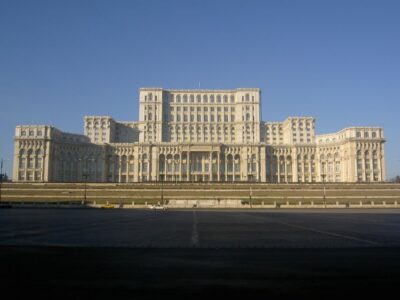
Dracula Castle, Peles Castle & Brasov Guided Tour
Read our review →