
Reviewed · DRACULA CASTLE TOURS
Real Dracula Princely Court and Real Dracula’s Fortress
Târgoviște and Poenari tell two very different parts of Vlad the Impaler’s story: one is a formal princely court, the other a steep fortress above the Argeș Valley. This private tour links them in one long day, with Curtea de Argeș and Vidraru Dam filling out the route.
I like the freedom of a private car and guide, especially since the day covers a lot of ground. I also like the mix of sites: you get Chindia Tower and royal churches, then a hard climb to Poenari rather than a day built only around Dracula folklore.
The main drawback is the pace. Eleven hours is a long day, and the 1,480 steps to Poenari Castle demand real stamina. Entrance fees and meals are extra, and the route can feel ambitious if you prefer slow sightseeing.
Key points to know before booking
- Târgoviște was a Wallachian princely seat: Explore the court used by rulers including Vlad the Impaler and Constantin Brâncoveanu.
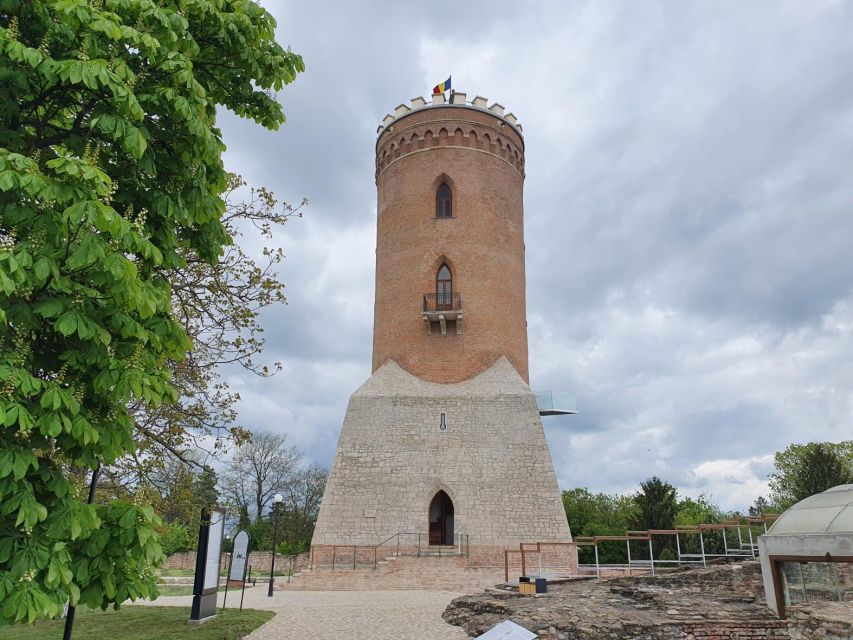
- Chindia Tower gives the best view: From its balcony, you can look across the court ruins and see a church dating to 1415.
- Poenari Castle means 1,480 stairs: This is the tour’s most demanding stop and the clearest test of your interest in Vlad’s fortress.
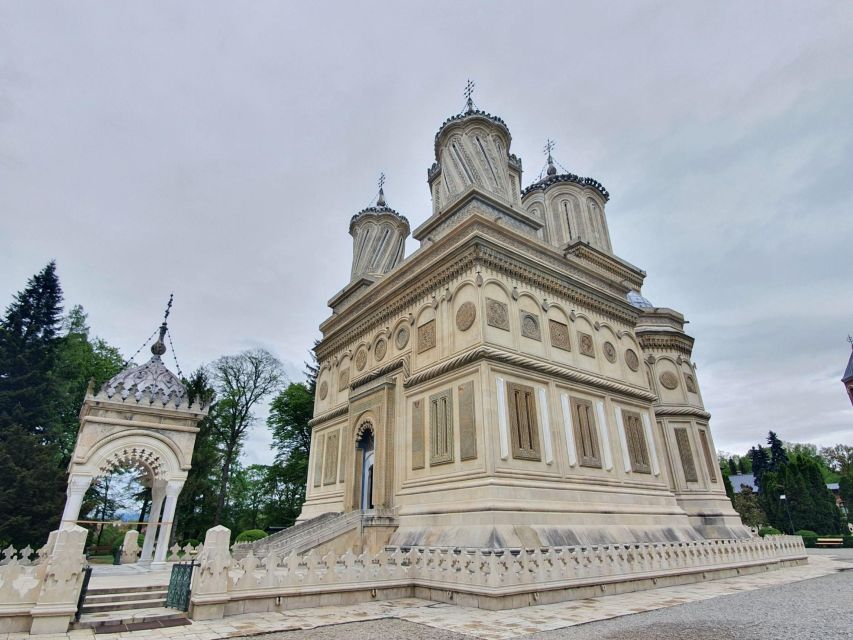
- Curtea de Argeș adds royal history: Visit the monastery and the burial place of Romanian kings, along with the old princely court.
- Vidraru Dam breaks up the historic sites: You get time for photos, a look at the dam’s story, and a pause during the long drive.
- Nicolas is the named guide: His flexible timing and clear explanations are a strong part of the experience.
Why this route works for Dracula history

Many Dracula-themed outings stay close to the legend. This one gives you a more grounded look at Vlad III, also called Vlad Țepeș or Vlad the Impaler, by visiting places tied to Wallachian rule.
Târgoviște shows Vlad as a prince operating from a working court. Poenari shows a fortress linked with defense, refuge, and the storage of the country’s gold. The two places create a useful contrast. One is a center of power, the other is a hard-to-reach stronghold.
I appreciate that the route does not stop at Vlad alone. Curtea de Argeș brings in the Romanian royal family, medieval churches, and the country’s changing capitals. Vidraru Dam then shifts the subject from medieval rulers to modern Romanian engineering.
You travel with a private driver and guide, not in a large group. That matters on an 11-hour day. You can ask questions as you go, spend more time at a favorite stop, and take a proper break for food. Nicolas is the named guide for this experience, and his approach is described as friendly, professional, and attentive to the time you need for photos and exploration.
More ways to get to Bran Castle:
- Bucharest: Dracula’s Castle, Peles Castle, & Brasov Old Town
★ 4.5 · 17,858 reviews - Bucharest: Dracula Castle, Peles Castle & Brasov Old Town
★ 4.6 · 10,891 reviews - Bucharest: Dracula’s Castle, Peleș Castle & Brașov Day Trip
★ 4.5 · 5,919 reviews
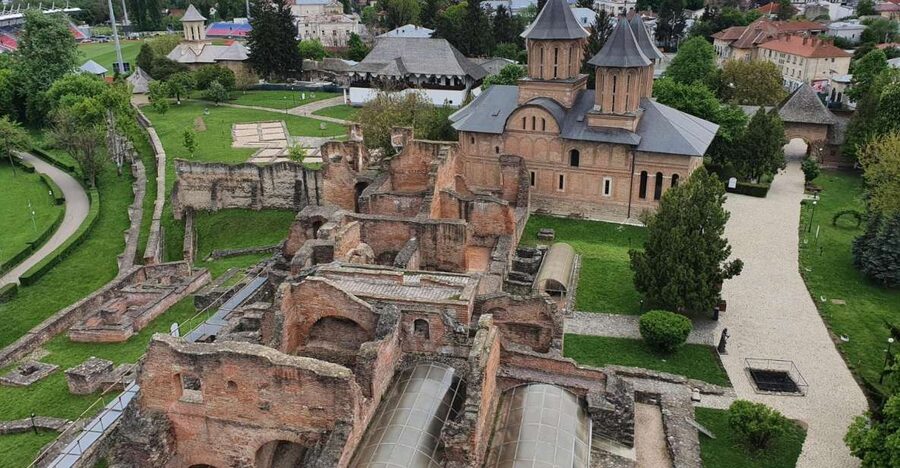
Târgoviște’s princely court and Chindia Tower
The day begins with pickup in Bucharest and continues to Târgoviște, whose historical record reaches back to 1417 or 1418. The site began as a fortress and later grew into a princely residence.
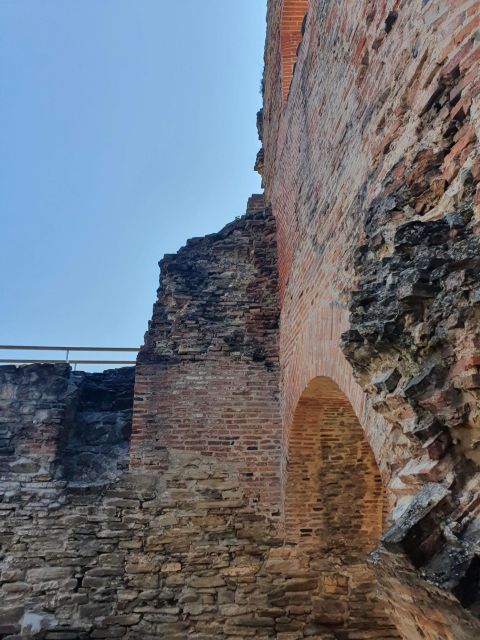
This was an important seat for rulers of southern Romania. Vlad the Impaler used the court, as did Constantin Brâncoveanu and other Wallachian princes. You are not simply looking at a castle ruin here. You are walking through the remains of a political center where rulers governed, worshiped, and received visitors.
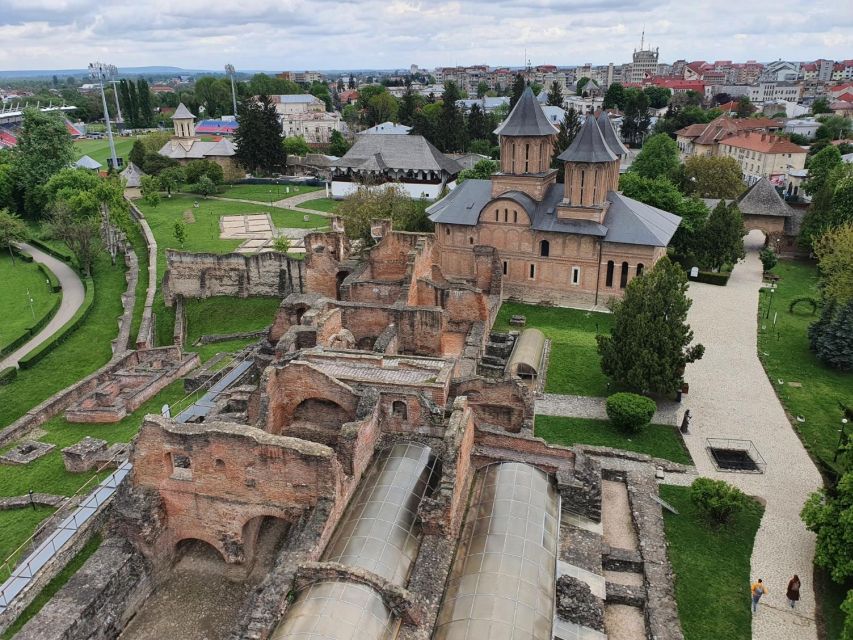
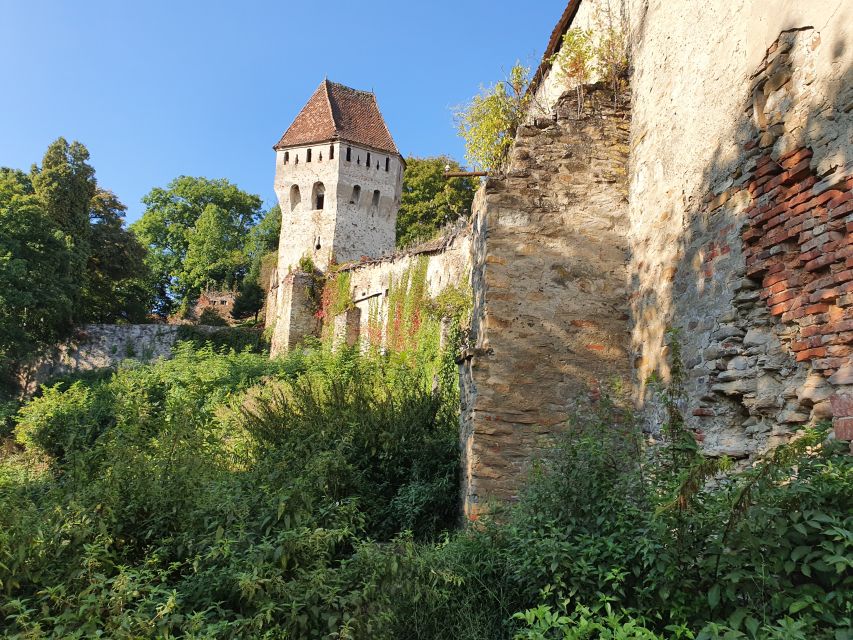
The main symbol is Chindia Tower, built by Vlad the Impaler. The climb is much easier than Poenari’s stairway, but you still need to be comfortable with steps. From the balcony, you can look over the former court and see the remains of two princely palaces.
The view also brings the site’s layout into focus. From ground level, scattered ruins can seem disconnected. From the tower, you can better understand how the court was arranged and how the buildings related to one another.
A church dating to 1415 adds another layer to the view. It is a useful reminder that the court was not only a military site. Religion and royal authority were closely tied together in medieval Wallachia.
The churches and palace ruins of Târgoviște
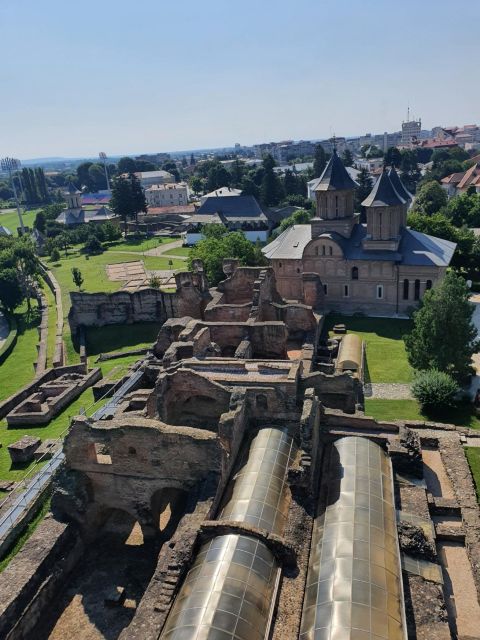
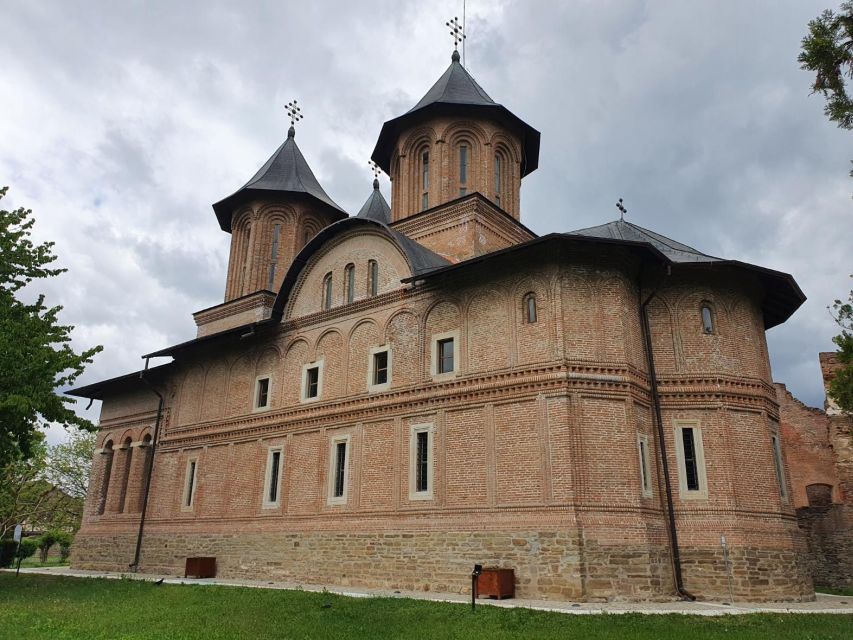
After the tower, you walk through what remains of the palace area and visit two surviving churches. The small Holy Friday Church is one of them. The Great Princely Church is the more important architectural stop, described as the only monument built in the 15th century in southern Romania that remains preserved in its original form.
That detail gives the visit weight. Much of the court is fragmentary, so a surviving medieval building helps you picture the period more clearly. I would give yourself time to listen here rather than treating the churches as quick photo stops.
The Târgoviște portion lasts about two hours when the main visit and town time are combined. You have a guided visit, a short break, a walk, and free time for photos. The exact balance can be adjusted because the tour is private.
Still, do not expect a fully rebuilt royal palace. The appeal lies in the remains and the historical setting. If you need grand interiors and intact rooms, this stop may feel modest. If you enjoy reading a site through its ruins, it is one of the most rewarding parts of the day.
Curtea de Argeș and Romania’s royal past
The route continues to Curtea de Argeș, described as the first capital of Romania. Here, the focus shifts from Vlad’s Wallachian court to a broader story of Romanian statehood and royal memory.
You visit the ruins of the old Wallachian princely court and the 13th-century Royal Church. These sites offer an older layer than Târgoviște, and the guide can help connect the remains to the political changes that followed.
The main visit is the famous Curtea de Argeș Monastery. It is associated with the Romanian royal family, and the graves of Romanian kings are located here. That makes the stop more than an architectural interlude. You are seeing a place tied to national memory and the final resting place of royal figures.
The scheduled time here is about 45 minutes, including the visit, guided explanation, photos, and some free time. That is enough for a focused look, but it is not a leisurely half-day exploration. You may need to keep moving, especially if the day has already run long.
I like this stop because it keeps the tour from becoming a single-character Dracula story. You see the medieval court, the royal church, and the monastery in one compact visit. The guide’s explanation matters here, since the meaning of the buildings is not always obvious from the outside.
A different sort of day out, same corner of Romania:
- Bucharest: Palace of Parliament Tickets and Guide
★ 4.3 · 3,182 reviews - Bucharest: Day Trip to Dracula Castle, Peles Castle & Brașov
★ 4.4 · 3,049 reviews - Bucharest to Dracula Castle, Peles Castle and Brasov Guided Tour
★ 4.5 · 2,933 reviews - Bucharest: Palace of Parliament Tickets and Guided Tour
★ 4.4 · 1,877 reviews
Poenari Castle and the 1,480-step climb
Poenari Castle is the physical challenge of the tour. Reaching the fortress involves climbing 1,480 stairs, so this is the stop to take seriously when deciding if the trip suits you.
The castle is linked with Vlad the Impaler and is described as a place where Vlad hid the country’s gold. Its location in Poenari village gives the visit a different feel from Târgoviște. You are not entering a broad court complex. You are making your way toward a fortress associated with escape, defense, and a ruler’s need for a secure retreat.
The scheduled stop lasts around 90 minutes, including the walk and time for photos. That timing may feel tight if you need frequent rests on the stairs. The private format helps because your guide can explain the site and manage the pace more personally than a large group could.
There is also an important practical point: one of the supplied experiences took place when Poenari Castle was closed. In that case, the guide used the available time for other nearby places and traditional food. Because access can change, you should confirm the current opening situation before booking or shortly before departure.
You should also bring water and wear shoes suited to a long stair climb. The tour information does not promise special equipment or a flat alternative route. If you have limited mobility, knee problems, or little interest in strenuous walking, Poenari may be the deciding issue.
For fans of Vlad, though, this is the emotional high point. The hard climb gives the fortress a sense of distance and protection that a roadside photo stop cannot provide.
Vidraru Dam, a modern pause in the route
After the medieval sites, Vidraru Dam changes the subject completely. It is the biggest dam in Romania and provides a one-hour break for photos, sightseeing, and free time.
This stop is useful for two reasons. First, it gives you a chance to pause after Poenari’s stairs. Second, it shows a major piece of modern Romanian infrastructure rather than another church or ruin.
Your guide explains the dam’s history, and you have time to take pictures or shop. The supplied details do not specify which shops or food options will be available, so treat this as a flexible stop rather than a guaranteed meal break.
The dam also gives the route visual variety. Târgoviște is about court ruins and churches. Curtea de Argeș is about royal and religious history. Vidraru offers a large-scale engineering site and a different view of the area around the Argeș Valley.
Time in Wallachia and the long ride back
The final part of the route includes about an hour passing through Wallachia, with more sightseeing and guided explanation. The schedule allows for photo stops and a broad look at the region before returning to Bucharest.
Because the tour covers several towns and historic sites, the road time is part of the experience. This is not a compact walking tour. You spend much of the day in a private car, moving between places that would be difficult to combine independently in one day.
That makes the driver and guide especially important. A private licensed English-speaking guide is included, along with fuel, parking, and road tolls. Guides may also be available in Italian, Romanian, French, or Spanish, depending on the booking.
Nicolas is specifically named as a guide for this experience. His role is not only to point out monuments. He can keep the history connected as you move from Vlad’s court to the fortress, then to the royal monastery and modern dam.
How much value do you get for $323?
At $323 per person, this is not a budget day trip. The price makes more sense if you are booking for a small private group and want hotel pickup, a dedicated car, a licensed guide, fuel, parking, and tolls included.
You are paying for convenience as much as admission to the sites. Traveling independently would mean arranging transport between Târgoviște, Curtea de Argeș, Poenari, Vidraru Dam, and Bucharest. Public transport would be especially awkward for a route with several stops and a fixed return to Bucharest.
Entrance fees are not included, and food and drinks are also extra. You should allow for those costs when comparing the total price. The tour does include flexible start times and an itinerary that can respond to your interests, which gives the private format real value.
The best value comes when two things matter to you: seeing all four major sites in one day and having someone explain the history as you go. If you only want one castle and a short outing, the price and length may be harder to justify.
Who should book this experience?
I would choose this tour if you want a full day of Wallachian history and do not want to organize a complicated route yourself. It suits people who enjoy ruins, churches, royal history, and a strong Dracula connection without limiting the day to fictional legends.
It also works well for private groups that want control over breaks and photo time. The flexible schedule is useful because the day includes both a demanding climb and several guided visits.
You should think twice if you dislike long drives, prefer a relaxed pace, or cannot manage 1,480 stairs. The tour can adapt when a site is closed, but it cannot turn Poenari into an easy stop.
The strongest praise centers on Nicolas’s explanations, friendly manner, and willingness to give enough time at each stop. That flexibility is important here. The route has many moving parts, and a rigid schedule would make the day feel rushed.
Practical details before you go
Pickup and drop-off are included from your Bucharest hotel. You should wait in the lobby about five minutes before pickup, with the driver holding a sign showing your last name.
The tour lasts 11 hours and runs as a private group experience. Start times are flexible, subject to availability. Free cancellation is available up to 24 hours before departure, and you can reserve now and pay later.
Entrance fees are extra, so ask for the current amounts when booking. Pack water, plan to buy or bring food, and wear practical shoes for the walks and stairs.
Should you book the Târgoviște and Poenari tour?
Book it if you want the fullest single-day look at Vlad’s Wallachia, with a private guide, hotel transport, and time for both major fortresses and royal sites. The combination of Târgoviște’s court and Poenari’s steep fortress gives you a much better sense of Vlad’s world than a single castle visit.
Skip it if you want a short, gentle excursion or if the Poenari climb is not realistic for you. At $323 per person, the value depends on using the private transport and guide for the entire route. For a history-minded visitor with a full day available, this is a strong, demanding trip with far more substance than a standard Dracula stop.
FAQ
Where does the tour start and finish?
The tour includes hotel pickup and drop-off in Bucharest. You wait in your hotel lobby five minutes before the scheduled pickup time.
How long does the tour last?
The full experience lasts 11 hours, including the visits, road travel, breaks, and return to Bucharest.
Is the tour private?
Yes. It is a private group experience with a private car and a licensed driver-guide.
Which languages are available?
Guides may be available in English, Italian, Romanian, French, or Spanish.
Are food and entrance fees included?
No. Food, drinks, and entrance fees listed for the sites are not included in the tour price.
How many stairs lead to Poenari Castle?
The route to Poenari Castle includes 1,480 stairs.
What happens if Poenari Castle is closed?
The tour information records that the guide can use the time for other nearby places and an opportunity to try traditional food if the castle is closed.
Newest Romania trips on the site
- Winery touring & private wine tasting – one day private tour★ 5.0 · 3 reviews
- Private tour to Turda Salt Mine, Rimetea and Alba Iulia★ 4.8 · 5 reviews
- Bucharest: Dealu Mare Winery Private Trip with Wine Tasting★ 4.9 · 6 reviews
- Village Museum Bucharest Guided Tour★ 5.0 · 6 reviews
- Transylvania Tour: Dracula’s Castle, Peles Palace & Brasov★ 5.0 · 19 reviews
- Turda salt mine and Corvin Castle day tour from Cluj★ 5.0 · 9 reviews
- Turda Salt Mine, Gorge & Rimetea Village (private from Cluj)★ 5.0 · 5 reviews
- Danube Delta PRIVATE boat trip to Mila23 Village (guided tour)★ 5.0 · 9 reviews
Dracula Castle Tours, compared.
Dracula’s Castle, Peles Castle, & Brasov Old Town
Read our review →
Dracula Castle, Peles Castle & Brasov Old Town
Read our review →
Dracula’s Castle, Peleș Castle & Brașov Day Trip
Read our review →
Day Trip to Dracula Castle, Peles Castle & Brașov
Read our review →
Bucharest to Dracula Castle, Peles Castle and Brasov Guided Tour
Read our review →
Dracula’s Castle, Peles Castle and Brasov Day Trip from Bucharest
Read our review →
Transylvania and Dracula Castle Full Day Tour from Bucharest
Read our review →
Browse the lists this tour appears in