
Reviewed · WALKING TOURS
Slavery in Romania,Myths and Truths on Gypsies, Walking Tour
Bucharest’s Roma story is not a side note. This three-hour walk takes you from the site of a former slave market to the Holocaust Memorial, linking old laws and modern prejudice in a way that makes the city’s past easier to understand. I like the focus on history and present-day life, rather than on stereotypes or staged encounters.
I also like the calm pace. There are sitting breaks, a café stop, shade when needed, and time for questions. Guides including Daniela, Andreea, Mihai, and Mihail have been praised for clear, sensitive explanations. The main drawback is that this is a serious subject, not a general Bucharest sightseeing tour, and the route does not include direct interaction with Roma residents unless you choose the optional jewelry workshop.
Key points to know before you book
- A focused Roma history tour: Learn about slavery, emancipation, discrimination, the Holocaust, communism, and Roma life today.
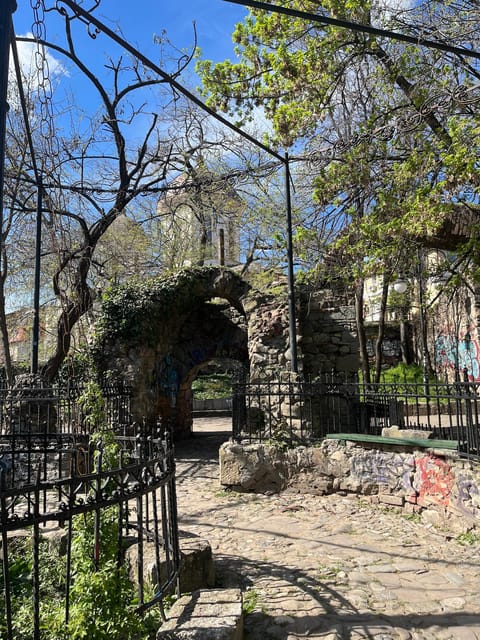
- A city route with purpose: The Romanian Athenaeum, Cișmigiu Gardens, Revolution Square, and the Holocaust Memorial all help frame the story.
- A thoughtful teaching style: Guides use photographs, links, stories, humor, and clear explanations to make difficult material easier to follow.
- A useful break built in: The route includes a 15-minute café stop, with chances to sit and use facilities during the walk.
- An optional hands-on finish: Add a jewelry workshop with a Roma craftsman at Mesteshukar ButiQ.
- Good value at $29: Three hours with a live English-speaking guide makes this a strong choice for visitors who want context, not just photographs.
Why this Bucharest walk matters
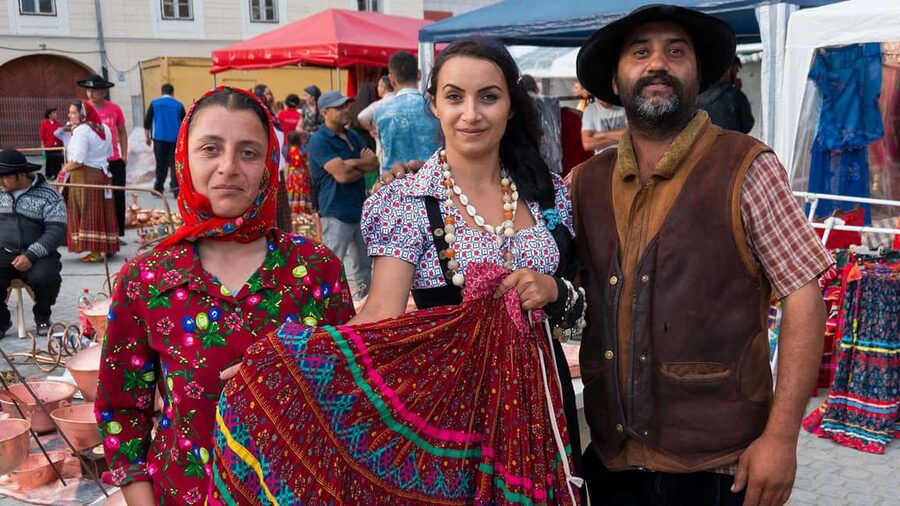
The title points to the heart of the experience: slavery in Romania and the myths attached to Roma people. For many visitors, the fact that Roma people were enslaved in the Romanian principalities is unfamiliar. The tour puts that history in the center of Bucharest, then connects it to later persecution and the prejudice Roma people still face.
That makes this different from a standard old-town walk. You are not simply moving from one pretty building to the next. The sights become evidence and prompts. A square, a monument, a park, or a communist-era street helps explain how Roma people were treated within Romanian society.
I like that the tour does not present Roma culture as a collection of colorful customs for outsiders to inspect. It deals with difficult subjects directly, including ownership disputes, social exclusion, discrimination, and the long effect of forced servitude. At the same time, the guides use stories and humor to show resilience and everyday humanity.
You should arrive ready to listen and ask questions. This is best for anyone who wants to understand Romania more fully, including visitors who have already seen the main monuments and want a stronger social and historical context.
More Walking Tours in Bucharest
- Bucharest: City Highlights Guided Walking Tour
★ 4.9 · 1,482 reviews - Bucharest Highlights Walking Tour
★ 5.0 · 469 reviews - Bucharest: Ghost Stories & Romanian Mythology Walking Tour
★ 4.9 · 287 reviews
Starting near Romana Square
The meeting point is the small square in front of Teatrul Ion Creangă, Sala Mare, about a three-minute walk from Piața Romană metro station. This is a practical starting point, especially if you are using the Bucharest Metro.
The walk begins with a guided introduction before moving to the first important historical site. The route is about three hours in total, with a mixture of walking, standing, photographs, and seated pauses. One useful feature is the pacing. Guides have adjusted explanations for hot weather by using shade and stopping for water, and the route includes a café break.
You should wear comfortable shoes and bring water. The route is urban, but it still involves several hours on foot. Since the subject calls for concentration, the pauses matter as much as the distance.
The former slave-market site
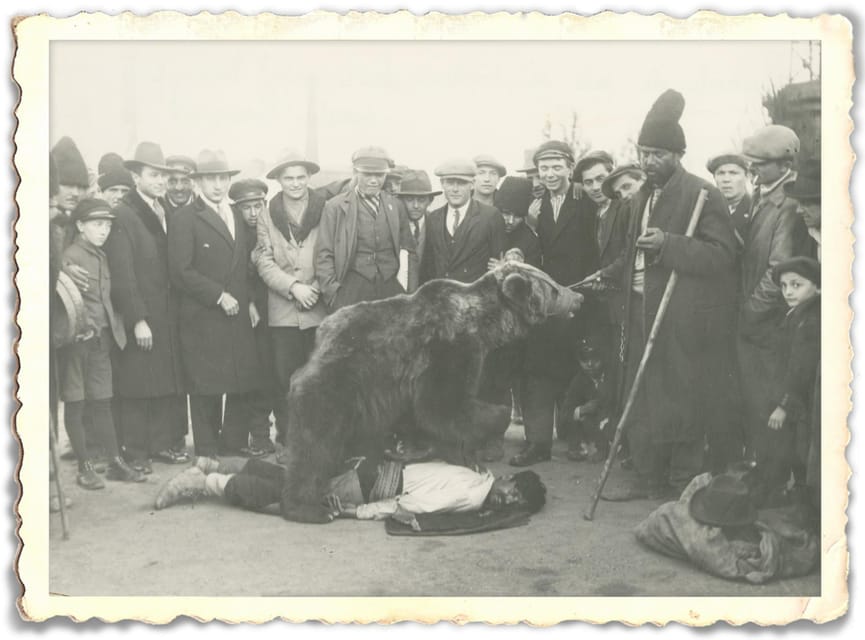
The first major stop is the site of an old slave market. It is not a grand monument with an elaborate museum display. Its power comes from the fact that an ordinary part of Bucharest is tied to the buying and selling of human beings.
Here, the guide explains the system that kept Roma people in slavery for generations. You learn how this practice shaped identity, social status, property, and relations between Roma communities and the wider Romanian population.
This stop gives the rest of the walk its frame. Without it, modern prejudice can look like an isolated social problem. With it, you can see how old laws and economic systems helped create attitudes that lasted long after emancipation.
Expect a discussion rather than a theatrical presentation. The strongest guides use images and straightforward language, which helps with a subject that can easily become either too academic or too simplified.
The Romanian Athenaeum and public images
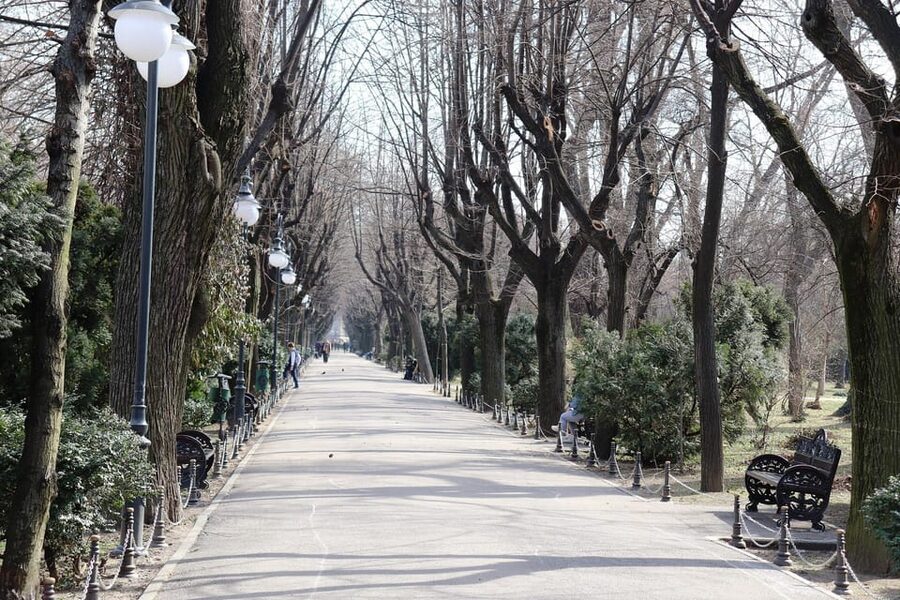
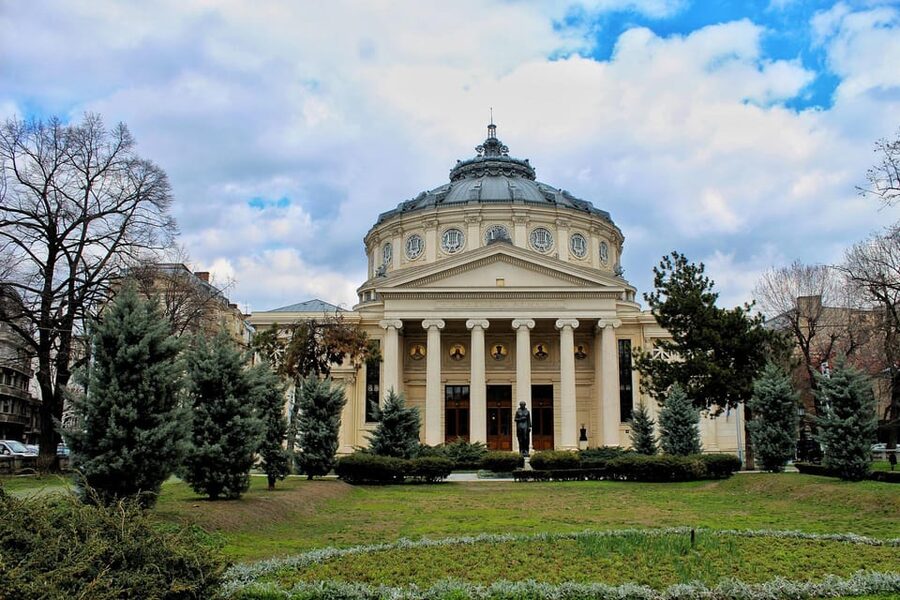
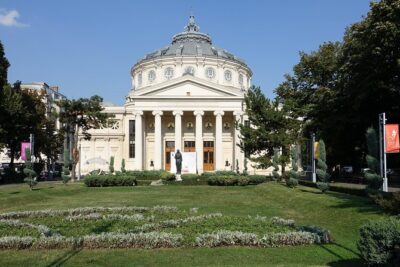
The walk then passes the Romanian Athenaeum, one of Bucharest’s best-known buildings. Its grand architecture offers a sharp contrast to the difficult history under discussion.
That contrast is useful. National buildings often present a polished image of a country, while minority groups may be left out of the story. At the Athenaeum, the guide discusses how art and public culture have shaped perceptions of Roma people over time.
You will have time for photographs and a look at the exterior, but this is not a concert or interior tour. The value comes from the conversation around the building. It helps you ask who gets represented in national culture, who gets ignored, and how familiar images can become stereotypes.
A different sort of day out, same corner of Romania:
- Bucharest: Palace of Parliament Tickets and Guide
★ 4.3 · 3,182 reviews - Bucharest: Palace of Parliament Tickets and Guided Tour
★ 4.4 · 1,877 reviews - Bucharest: Parliament Palace Skip-the-line Ticket
★ 4.2 · 1,518 reviews - Taste Bucharest: A Food Lover’s Tour of Markets & Neighbourhoods
★ 5.0 · 689 reviews
A café pause that improves the pace
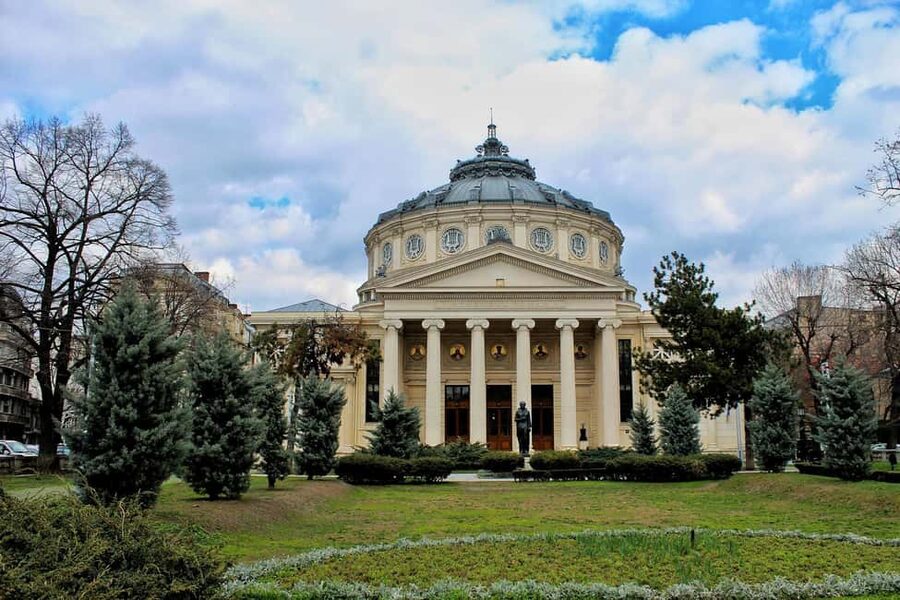
A 15-minute stop at a local café breaks up the walking and gives you room to process the subject. Food and drinks are not included, so budget separately if you want something during the break.
This is a small detail, but it improves the experience. The tour covers slavery, persecution, communism, and discrimination. A short pause keeps the walk from turning into one long lecture and gives you a chance to ask the guide about points that need clarification.
The relaxed format is one reason guides such as Daniela and Andreea have made a strong impression. Their approach is described as patient, clear, and considerate, with time for questions rather than a rush from one stop to the next.
Cișmigiu Gardens and the myths around Roma culture
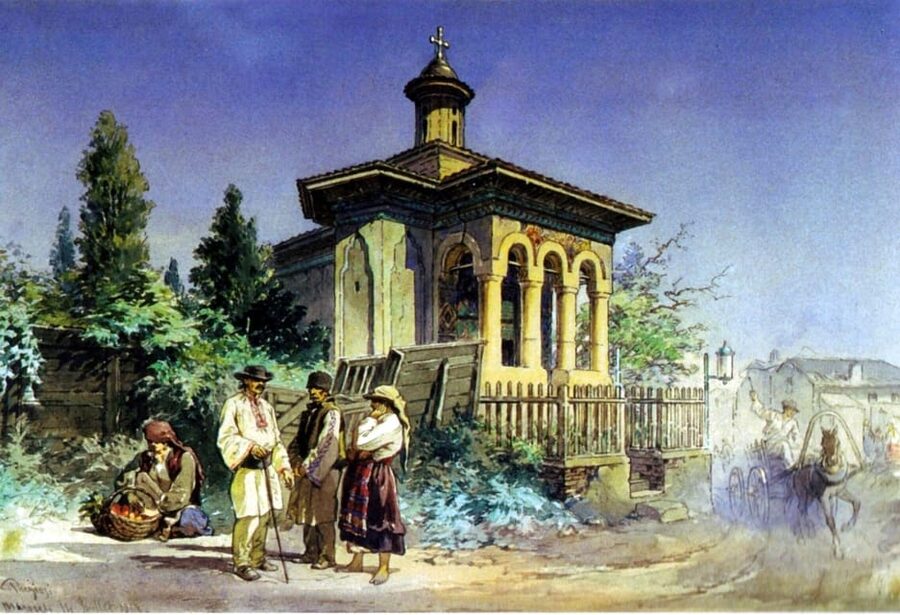
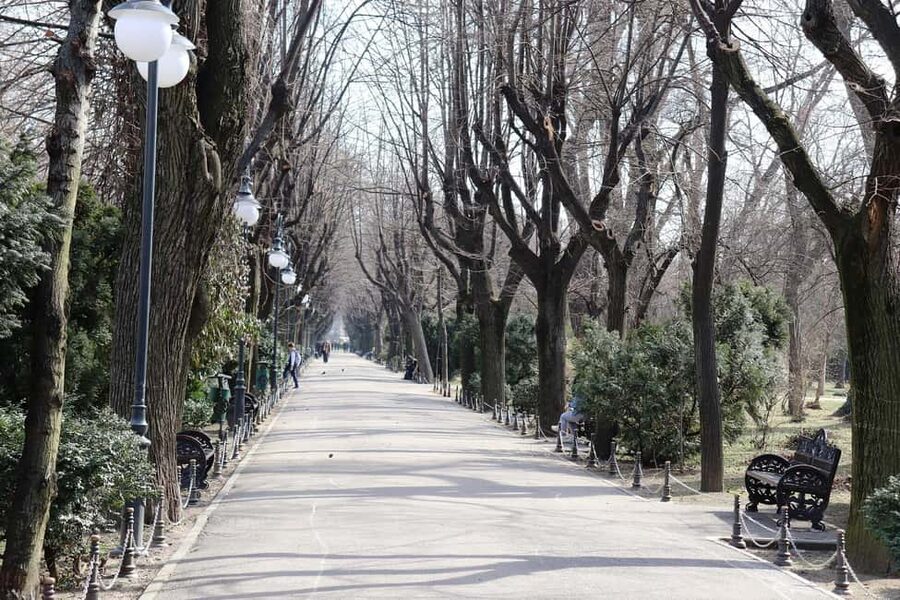
Cișmigiu Gardens is the oldest and largest garden in Bucharest. Its paths and green spaces provide a quieter setting for the middle part of the tour.
Here, the guide turns more directly to myths and truths surrounding Roma people. This section looks at culture, traditions, language, music, family life, and the difference between an actual community and the stock images often attached to it.
The park setting helps. You are away from traffic and can listen while walking or stopping among the gardens. Guides have used photographs and links to music, including folkloric music and manele, to add detail beyond a basic historical account.
This is also where you should expect some correction of common assumptions. The purpose is not to replace one simplified picture with another. Roma communities are not all alike, and the tour explains how different experiences developed within Romania and across Europe.
One limitation is worth noting. The standard walk is guided by a non-Roma guide, and it does not promise a direct meeting with Roma residents. One participant specifically felt that more Roma voices would strengthen the experience. The optional workshop offers a more direct connection, but it is separate from the main walking portion.
Remembering the Holocaust in Romania
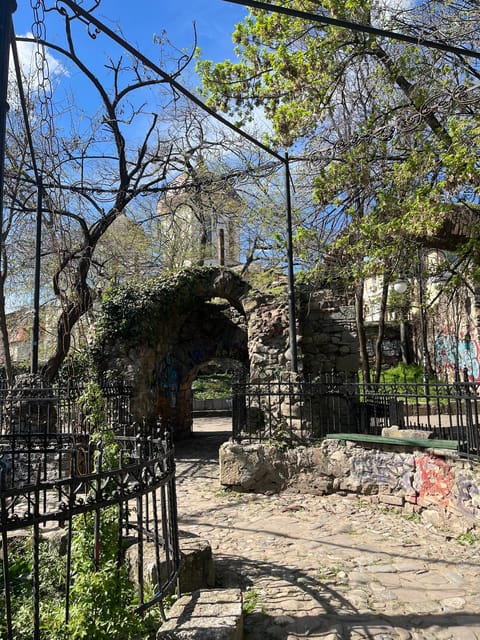
The Holocaust Memorial is one of the most important stops. The guide explains the persecution and genocide that killed thousands of Roma people, alongside the broader Holocaust in Romania.
This visit is more than a photo stop. It shows that Roma history in Romania includes not only slavery and social prejudice, but also organized wartime persecution. The memorial gives you a place to pause and remember people whose experiences are often missing from general European history tours.
The stop lasts about 15 minutes, including time for photographs and explanation. The subject is painful, and the guide’s tone matters. The strongest presentation is respectful and direct without turning suffering into spectacle.
If you have limited time in Bucharest, this is one of the tour’s most valuable locations because it connects a national memorial with a lesser-known part of Holocaust history.
Communism, Piața Kogălniceanu, and Revolution Square
The route continues through streets that show traces of Romania’s communist period. At Piața Kogălniceanu, the guide discusses how the communist regime affected Roma people and how the period fits into the country’s wider political story.
This section broadens the tour. You are not only learning about discrimination in the distant past. You are also seeing how twentieth-century government policy, housing, work, and social control affected Roma communities.
The walk then passes Revolution Square. The square is closely tied to the end of Nicolae Ceaușescu’s regime and the dramatic events of 1989. Here, the guide links Romania’s political changes to the long effort to understand who belongs in the national story and who is pushed aside.
One earlier tour participant praised the way the guide connected the Roma story with communism and Bucharest itself. That combination is useful because it prevents the subject from being treated as a separate minority issue. Roma life has always been shaped by the same political changes that shaped the rest of Romania.
Finishing at Mesteshukar ButiQ
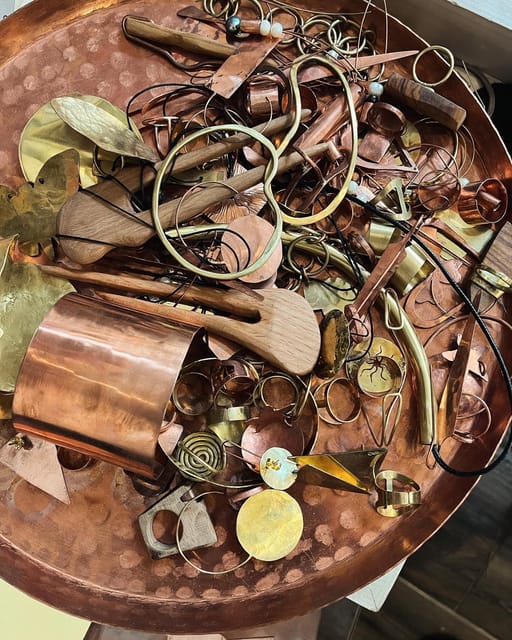
The listed route finishes at Mesteshukar ButiQ, also called MBQ. This is where you can add an optional jewelry workshop with an authentic Roma craftsman in a traditional workshop.
The activity is not included in the basic $29 price. Transportation connected with the workshop is included if you select that option, but the extra cost is not stated here, so check the available choice when booking.
The workshop changes the character of the afternoon. Instead of only hearing about Roma craftsmanship, you can make your own piece of jewelry with a craftsman. It gives you something practical to do and a more personal way to think about tradition, work, and cultural identity.
It is not essential to the main tour. If your main goal is history, the walking route is enough. If you want a hands-on finish and a closer connection with Roma craft, the workshop is the better add-on.
The meeting information says the activity ends back at the meeting point, while the route details identify MBQ as the finish. Since those descriptions do not match perfectly, confirm the end point and workshop transport when you reserve.
How the guides handle a sensitive subject
The guide can make or break this experience. Names associated with the tour include Daniela, Andreea, Mihai, and Mihail. Their strengths include clear communication, empathy, humor, and the ability to explain complicated history without making it feel like a classroom lecture.
Andreea has been praised for using photographs and links to public sculptures and historic places. Daniela has followed up with links to folkloric and manele music, which can help you continue learning after the walk. Mihai and Mihail have been described as direct, patient, and respectful when discussing slavery and discrimination.
You may hear different guides depending on the date. The important point is the teaching style the tour aims for: candid, evidence-based, and careful with language. You should also feel free to ask how Roma people describe their own identity, since one limitation of the standard walk is that it may not include enough first-person Roma perspective.
Is $29 good value?
At $29 per person, the basic tour offers three hours with a live English-speaking guide and a route covering several major Bucharest locations. I consider that good value if you want a focused history and social issues tour rather than a broad introduction to every major sight.
You are paying for interpretation, not admission tickets. The Athenaeum, Cișmigiu Gardens, the Holocaust Memorial, and Revolution Square are seen from the outside or along the public route. Food and drinks are extra, and the jewelry workshop costs more if selected.
The value is strongest for visitors who will actually use the guide’s context. If you only want photos of Bucharest’s monuments, a regular city walk may suit you better. If you want to understand how slavery, war, communism, and prejudice shaped modern Romania, three hours is a fair price.
Free cancellation up to 24 hours before the start and the reserve-now, pay-later option also make it easier to fit into a changing Bucharest schedule.
Who should book this experience?
I would choose this tour if you:
- Want a serious look at Roma history and modern life in Romania
- Have already seen the main central sights and want more context
- Prefer a walking tour with discussion rather than a bus ride
- Care about Holocaust education and minority history
- Appreciate guides who allow questions and adapt the pace
- Would enjoy adding a craft workshop
I would skip it if you want a light sightseeing walk, a food tour, or a tour built around direct community encounters. It is also not the best choice for anyone who would rather avoid difficult subjects such as slavery, genocide, and discrimination.
Should you book the Roma history walk?
Book it if you want Bucharest to make more sense beyond its grand buildings and communist-era landmarks. The route is carefully chosen, the price is fair, and the subject is rarely covered with this much attention in a standard city tour.
Go with realistic expectations. You will not get a complete picture of every Roma community in Romania in three hours, and the main walk may not include enough direct Roma voices for some visitors. Still, the tour offers a useful correction to shallow stereotypes and gives you a stronger understanding of the forces that shaped Roma life.
Add the jewelry workshop if you want a practical, craft-based finish. Choose the walking tour alone if your priority is history, memory, and social context.
FAQ
How long does the walking tour last?
The tour lasts three hours, including the guided city walk, stops, and a 15-minute café break.
Where does the tour start?
Meet in the small square in front of Teatrul Ion Creangă, Sala Mare. It is about a three-minute walk from Piața Romană metro station.
What language is the tour offered in?
The live guided tour is offered in English.
Does the $29 price include the jewelry workshop?
No. The jewelry workshop is an optional addition. Workshop transportation and the workshop are included only if you select that option, and the additional price should be checked when booking.
Which Bucharest sights are included?
The route includes a former slave-market site, the Romanian Athenaeum, Cișmigiu Gardens, the Holocaust Memorial, Piața Kogălniceanu, and Revolution Square.
Are food and drinks included?
No. Food and drinks are not included. The tour does include a 15-minute break at a local café.
Can I cancel for a full refund?
Yes. You can cancel up to 24 hours in advance for a full refund.
Can I reserve now and pay later?
Yes. The activity offers a reserve-now, pay-later option, so you can hold a place without paying at the time of booking.
Newest Bucharest trips on the site
- Winery touring & private wine tasting – one day private tour★ 5.0 · 3 reviews
- Bucharest: Dealu Mare Winery Private Trip with Wine Tasting★ 4.9 · 6 reviews
- Village Museum Bucharest Guided Tour★ 5.0 · 6 reviews
- Private Transfer from Giurgiu Port to Bucharest★ 4.5 · 12 reviews
- Airport Henri Coanda (Otopeni) to Bucharest – Private Transfer – Driver★ 5.0 · 5 reviews
- Salt Mine Tour from Bucharest with Entrance Ticket★ 4.5 · 19 reviews
- Wine tasting in Bucharest Old town – bonus cheese platter★ 4.5 · 6 reviews
- Walking tour of Bucharest★ 5.0 · 3 reviews
Walking Tours, compared.
Ghost Stories & Romanian Mythology Walking Tour
Read our review →
Walking Tour- Delightful Bucharest (Highlights, Stories, Sights)
Read our review →
Browse the lists this tour appears in