Reviewed · BUCHAREST TOURS
The Real Story of Gypsies – Slavery in Romania
The most striking part of this Bucharest walking tour is its subject: the long, painful story of Roma slavery in Romania, followed by persecution during the Holocaust and the survival of Roma traditions today. You move through ordinary city streets, but each stop adds a difficult piece to the picture.
I like the small maximum group of 15, which gives you room to ask questions. I also like the route’s balance, pairing serious historical sites with the Romanian Athenaeum, Cişmigiu Park, and a working Roma craft shop where copper goods are made.
The main drawback is that this is a discussion-led tour, not a sightseeing circuit packed with major interior visits. You spend about 80 minutes walking, and the subject matter can be heavy, so bring comfortable shoes and an open mind.
Key points to know before booking
- Roma history takes center stage: The tour examines slavery, discrimination, Holocaust persecution, and changing language around the Roma community.
- A 3-hour central Bucharest walk: The route begins at Piața Amzei and ends at Mesteshukar ButiQ.
- The group is capped at 15 people: That is a useful size for questions and conversation.
- Guide Mihai receives strong praise: His clear English, Bucharest knowledge, and patient answers are key parts of the experience.
- The final stop supports Roma artisans: Mesteshukar ButiQ sells products made by Roma craftsmen, including copper work.
- The price is $30.04 per person: For a focused history tour with seven stops, that is fair value if this subject matters to you.
Why this tour matters in Bucharest
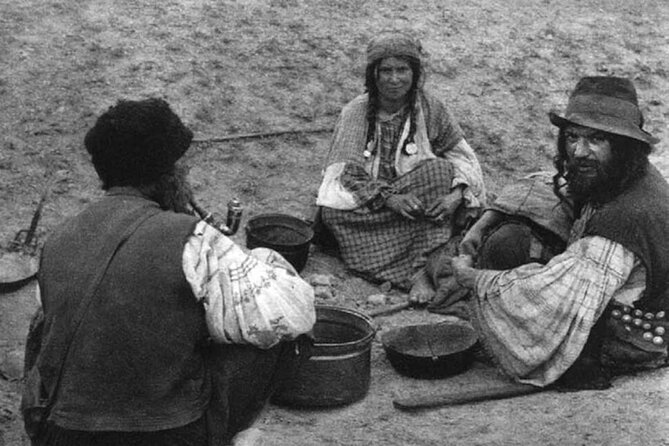
Romania’s Roma story is often reduced to stereotypes or skipped altogether. This walk gives you a way to look at the country through a different lens, beginning with the period when Roma people were enslaved.
The historical term Gypsy appears in the experience’s title and in some of the tour’s historical framing. During the walk, you learn about a time when Roma people were commonly called Gypsies, while the modern term Roma is generally used with greater care and respect.
This is not a broad introduction to every part of Romanian history. Instead, it follows a clear thread through Bucharest: slavery, public memory, political change, persecution, genocide, and cultural survival.
That focus is useful. You are not simply ticking off famous buildings. You are learning how places connected with power, culture, and public life relate to the treatment and representation of the Roma community.
A few more Bucharest trips worth a look
- Bucharest: Palace of Parliament Tickets and Guide
★ 4.3 · 3,182 reviews - Bucharest: Palace of Parliament Tickets and Guided Tour
★ 4.4 · 1,877 reviews - Bucharest: Parliament Palace Skip-the-line Ticket
★ 4.2 · 1,518 reviews
Starting at Piața Amzei and the old slave market
The tour starts at 10:00 am outside Teatrul Ion Creangă, Sala Mare, at Strada Piața Amzei 13. The meeting point is near public transportation, and the location puts you in central Bucharest from the start.
The first stop is Platoul Piața Amzei, identified as the site of an old slave market. This is the emotional foundation of the walk. You discuss the trade in human lives and how slavery shaped Roma identity and the place of Roma people in Romanian society.
You do not need a museum entrance here. The stop takes about 15 minutes, but its importance is larger than the time suggests. A public square can look completely ordinary until you learn what happened there. That contrast is one of the tour’s useful lessons.
I would pay close attention to the guide’s explanation of the historical setting, not just the location itself. The value comes from connecting the physical site with the system that allowed people to be bought and sold.
Because the subject is slavery, this is not a light opening. If you want only architecture and café stops, you may find the tone too serious. If you want to understand Romania beyond its postcard sights, this first stop gives the tour a strong purpose.
Știrbei Palace and the role of power
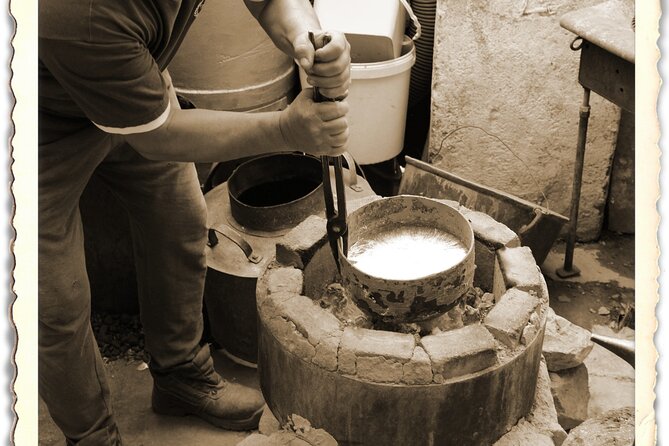
From Piața Amzei, the walk continues to Palatul Știrbei, a Bucharest palace built in 1835. You spend about 10 minutes here, looking at the building and learning about its owner’s connection to an important moment in Roma history.
The stop links architecture with social power. A palace is not only a handsome façade. It also points to the people and institutions that controlled land, money, law, and public life.
The supplied details do not promise an interior visit, so expect an exterior explanation rather than a palace tour. That is worth knowing before you book. You are using the building as a historical marker, not spending a long stretch inside it.
I like this kind of stop because it prevents the story from feeling detached from Bucharest. The tour keeps returning to real streets and buildings, showing that Roma history is part of the city’s central story, not something located far away or kept in a separate corner.
The Romanian Athenaeum and cultural representation
The Romanian Athenaeum brings a change of mood. This famous concert hall is one of Bucharest’s best-known symbols of national culture, and the group spends about 15 minutes passing by and discussing the role of the arts in shaping ideas about the Roma community.
The stop is not simply an architecture break. It asks you to think about who gets represented in national culture, who controls that representation, and how artistic images can support either prejudice or understanding.
The Athenaeum also helps place the Roma story within the wider identity Romania has built for itself. The building represents formal culture and national pride. The discussion adds another question: how have Roma people been included, excluded, or portrayed within that cultural picture?
Again, you should expect an outside view rather than an admission ticket. The guide’s explanation does the main work here. A clear English speaker is especially important on this part, since the subject depends on ideas rather than visual detail.
The guide named in the feedback is Mihai. His strengths are useful on a tour like this: clear English, solid knowledge of Bucharest, and a willingness to spend time on questions. Those qualities matter more here than a fast pace.
A different sort of day out, same corner of Romania:
- Bucharest: City Highlights Guided Walking Tour
★ 4.9 · 1,482 reviews - Taste Bucharest: A Food Lover’s Tour of Markets & Neighbourhoods
★ 5.0 · 689 reviews - The Real tour of Communism
★ 5.0 · 666 reviews - Bucharest: Therme Bucharest Entry Ticket and Transfer
★ 4.6 · 608 reviews
Cişmigiu Park and fact versus myth
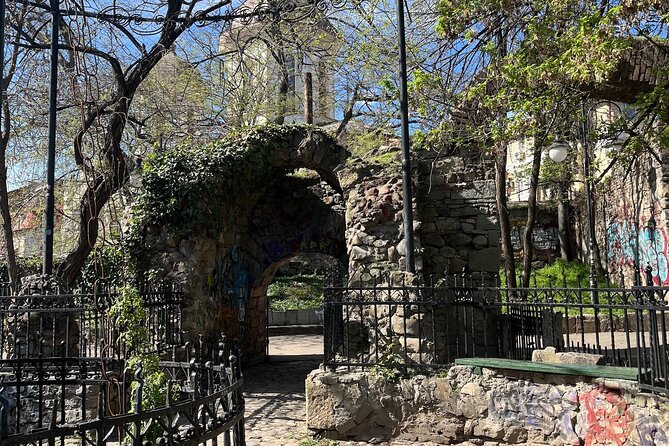
Cişmigiu Park is the route’s most relaxed setting. It is described as the oldest and largest garden in Bucharest, and you spend about 15 minutes walking through it while discussing truths and myths about Roma history.
The park gives you a chance to process the earlier stops. The setting is pleasant, but the discussion remains serious. You look at the gap between historical evidence and the stories people repeat about Roma communities.
That topic is important because stereotypes often survive through casual language and familiar myths. A guide can help you separate documented events from claims that have been repeated without care.
Do not expect a long free period in the park. The tour allocates about 15 minutes here, so this is a guided stop rather than a leisurely park visit. If you want time for photographs or a quiet stroll, you may need to return to Cişmigiu later on your own.
For me, the park is a smart part of the route. It changes the pace without losing the theme. You are still learning, but you are doing so in a setting that feels less formal than a memorial or palace.
The Holocaust Memorial and Roma victims
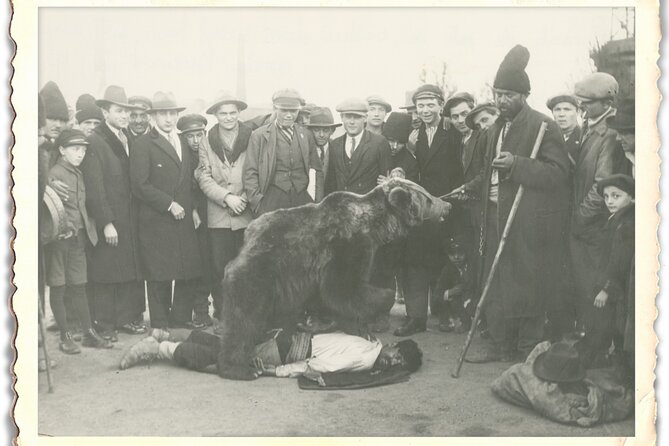
The Holocaust Memorial is the most somber stop. You spend about 15 minutes at a site commemorating victims of the Holocaust in Romania, including the thousands of Roma people who died through persecution and genocide.
This part requires attention and respect. It broadens the tour beyond slavery and shows that Roma suffering did not end with emancipation. The memorial gives the group a place to consider state persecution, loss, and the way public memory is created.
The tour’s subject is difficult, but that is also its value. Romania’s wartime history cannot be understood fully without acknowledging the Roma victims alongside other groups targeted by the Holocaust.
This stop may feel brief for such a large subject. Fifteen minutes cannot explain every event or answer every question about the Holocaust in Romania. Still, it provides an important marker within the walking route and gives the guide a place to explain the Roma experience in wartime.
If you prefer tours that keep history comfortable and upbeat, this is the point to reconsider. If you believe a useful city tour should make room for painful truths, you will see why this stop belongs here.
Iuliu Maniu Statue and changing names
The Iuliu Maniu Statue marks another important moment, when Roma people were still widely called Gypsies. The stop lasts about 15 minutes and returns to the relationship between historical language, public figures, and Roma identity.
The information supplied for this stop is brief, so you should expect the guide to provide the main context during the walk. Its place in the route suggests a shift from earlier periods toward modern political and public life.
Pay attention to the words used at this stop. Names are not a small matter in a tour about identity. Language can reveal how a group was viewed, who had the power to describe it, and how those terms changed over time.
The statue also shows how the tour uses Bucharest’s public spaces as teaching points. You do not need a dedicated Roma museum at every stage. A monument in the street can open a discussion about politics, memory, and citizenship.
Mesteshukar ButiQ and Roma craftsmanship today
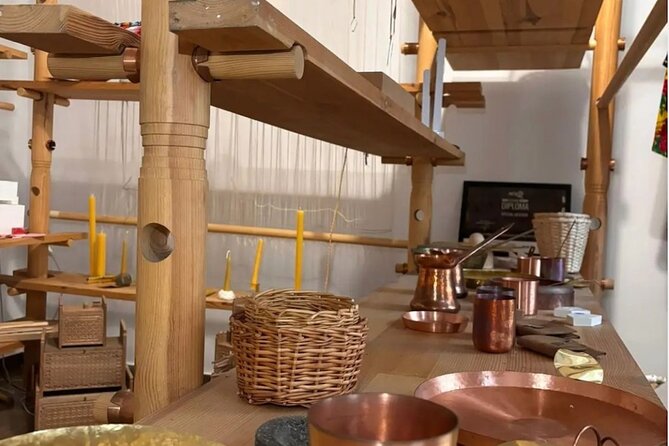
The final stop is Mesteshukar ButiQ, at Bulevardul Mihail Kogălniceanu 12. This small shop sells products made only by Roma craftsmen, and the visit gives you a direct look at copper work and other traditions that continue today.
After the difficult subjects earlier in the route, the shop provides a necessary shift. The Roma story is not only about oppression. It also includes skill, work, family traditions, and the ability to keep cultural practices alive.
You have the chance to see authentic artisan work and learn how copper craftsmanship remains part of Roma culture. The supplied schedule gives this stop about 15 minutes, so it is a short introduction rather than a full workshop.
If you like buying meaningful souvenirs, this ending may add value to the tour. The products connect your purchase with Roma craftspeople rather than with a generic tourist supply chain. The available details do not state that a purchase is required, so you can treat the shop as the final cultural stop.
Ending here is a good choice. The walk begins with a place where Roma people were treated as property and finishes with Roma people presented as skilled makers. That does not erase the past, but it gives the story a present-day human focus.
What the three-hour schedule feels like
The tour lasts about three hours. The seven scheduled stops total roughly 100 minutes, leaving about 80 minutes for walking between them.
That is a useful breakdown when you plan your day. You are not spending three hours at one site. You are moving through central Bucharest, with short talks at each location and a steady amount of walking in between.
The route begins at 10:00 am and ends at Mesteshukar ButiQ. Since the finish is different from the start, check your plans before booking another activity immediately afterward. The tour is near public transportation, which helps you continue through the city once it ends.
Wear comfortable shoes. The walking time is clearly stated, and the tour takes place outdoors at several points. The supplied information does not promise seating, indoor shelter, or extended breaks, so plan for a normal city walk rather than a slow, seated lecture.
The maximum group size is 15. That is small enough for a personal feel without making the activity private. It also matters because the subject invites questions. A guide who can hear you and give a proper answer adds real value.
How much value do you get for $30.04?
At $30.04 per person, this is reasonably priced for a three-hour, English-language walking tour with a focused historical theme and a small group limit.
The price is not paying for entry to major attractions. Each listed stop has free admission, and the experience is built around guiding, interpretation, and route planning. If you judge value only by the number of buildings you enter, this may feel modest.
I would judge it by the subject and the quality of the explanation. Roma slavery, Holocaust memory, public representation, and living craftsmanship are not easy topics to piece together on your own during a first visit to Bucharest.
The tour also gives you a different view of the city. You see well-known places such as the Athenaeum and Cişmigiu Park, but you are asked to read them through social and political history rather than simply photograph them.
The strongest value comes if you are willing to listen and ask questions. Mihai is praised for clear English, Bucharest knowledge, and taking time with questions. That makes the price easier to justify, especially for visitors who want a guided conversation rather than a basic route between sights.
Who should book this walking tour?
I would recommend it to you if you want a more serious Bucharest experience, have an interest in minority history, or want to understand Roma culture beyond common stereotypes.
It also suits independent travelers who normally explore on foot but want a guide for a subject that is difficult to research while moving around a city. The route is short enough to fit into a morning, and the 10:00 am start leaves much of the day free.
This is a good choice for visitors who enjoy asking questions. The small group and the guide’s patient style make discussion an important part of the experience.
You should think twice if you want a tour focused mainly on royal interiors, grand architecture, food, or entertainment. The palace and Athenaeum appear as historical reference points, not as full sightseeing visits. The Holocaust Memorial and slavery discussion also give the tour a serious tone.
The activity is offered in English, and most people can participate. Confirmation arrives at booking. Free cancellation is available until 24 hours before the start time, while cancellations or changes made inside that window are not accepted.
Should you book The Real Story of Gypsies?
Book this tour if you want to confront an overlooked part of Romanian history and connect it with Roma culture today. The route is carefully focused, the group size is sensible, and the ending at Mesteshukar ButiQ gives the walk a living cultural link.
I would not book it as a substitute for a general Bucharest orientation. You will not cover every major sight, and the tour’s value depends on thoughtful explanation rather than admission tickets.
For about $30, you get three hours of walking, seven meaningful stops, and a chance to ask questions in English. If you can handle a serious subject and want a more honest view of the city, this is a worthwhile morning.
FAQ
Where does the tour start?
The tour starts at 10:00 am at Teatrul Ion Creangă, Sala Mare, Strada Piața Amzei 13, Bucharest.
Where does the tour end?
The tour ends at Mesteshukar ButiQ, Bulevardul Mihail Kogălniceanu 12, Bucharest. It is a small shop selling products made by Roma craftsmen.
How long does the experience last?
The walking tour lasts approximately three hours. About 1 hour and 20 minutes is allocated to walking between stops.
What language is the tour offered in?
The tour is offered in English.
How large is the group?
The tour has a maximum of 15 participants.
Can I cancel for a full refund?
Yes. You can cancel for a full refund at least 24 hours before the experience’s local start time. Cancellations or changes made less than 24 hours before the start are not accepted and are not refunded.
Newest Bucharest trips on the site
- Winery touring & private wine tasting – one day private tour★ 5.0 · 3 reviews
- Bucharest: Dealu Mare Winery Private Trip with Wine Tasting★ 4.9 · 6 reviews
- Village Museum Bucharest Guided Tour★ 5.0 · 6 reviews
- Private Transfer from Giurgiu Port to Bucharest★ 4.5 · 12 reviews
- Airport Henri Coanda (Otopeni) to Bucharest – Private Transfer – Driver★ 5.0 · 5 reviews
- Salt Mine Tour from Bucharest with Entrance Ticket★ 4.5 · 19 reviews
- Wine tasting in Bucharest Old town – bonus cheese platter★ 4.5 · 6 reviews
- Walking tour of Bucharest★ 5.0 · 3 reviews
Bucharest Tours, compared.

Taste Bucharest: A Food Lover’s Tour of Markets & Neighbourhoods
Read our review →