Reviewed · GUIDED
Tour guide in Iasi, Romania
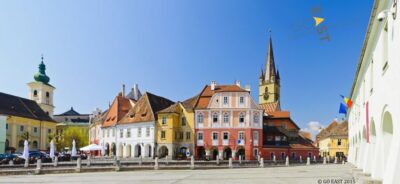
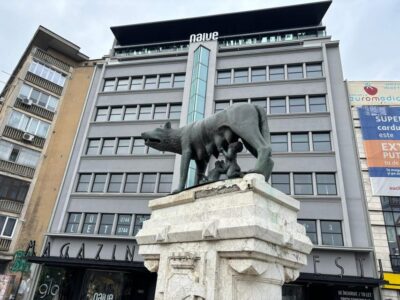
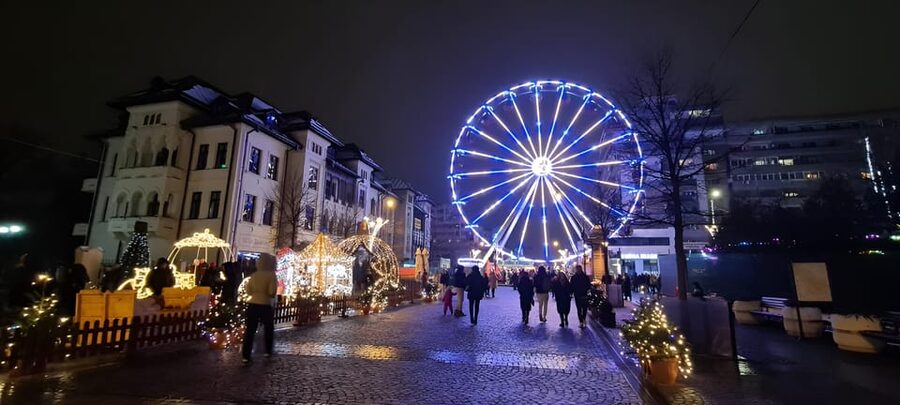
Iasi reveals itself best through its stories, and Peter builds the tour around them. Starting at the Alexandru Ioan Cuza Statue in Union Square, you’ll walk through several central parts of the city while hearing about old buildings, famous figures, local legends, and the events that shaped Iasi over roughly the last 250 years.
I especially like the small group limit of four, which gives you room to ask questions and keeps the walk personal. Peter also gets strong marks for clear English, humor, and enthusiasm, with several guests noting how naturally he explains monuments and the people linked to them.
The main consideration is that this is a walking tour rather than a formal museum-style survey. The route stays mostly near the center, but you should wear comfortable shoes, and the experience is not suited to children under seven, wheelchair users, or people over 70.
Key points at a glance
- Meet in Union Square: The tour begins in front of the Alexandru Ioan Cuza Statue, an easy central starting point.
- Peter leads the walk: He is praised for his English, humor, storytelling, and interest in Iasi’s architecture and history.
- A 250-year focus: Early history is covered briefly, while the better-documented period after the 18th century receives more attention.
- Small group of four: You get a more conversational walk than a large city tour usually allows.
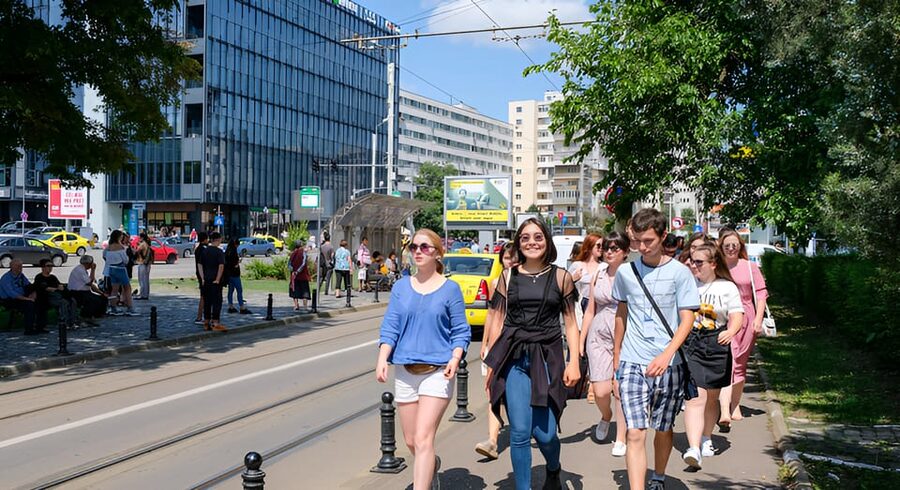
- Three hours on foot: The route visits different central areas without spending much time walking between them.
- Useful follow-up advice: Peter has sent extra recommendations by WhatsApp after the tour, according to one booking account.
Starting at the Alexandru Ioan Cuza Statue
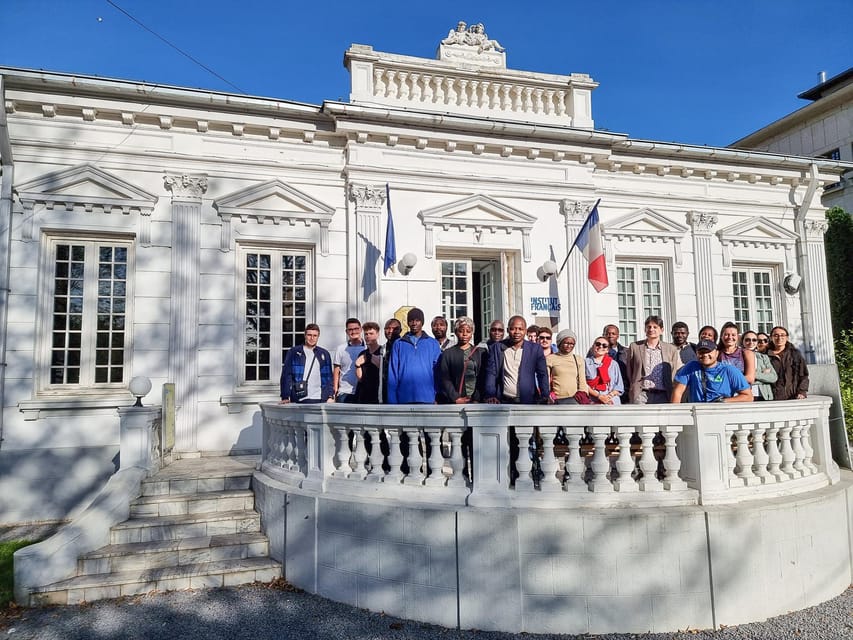
Union Square, or Piata Unirii, is a sensible place to begin. You meet in front of the statue of Alexandru Ioan Cuza, giving you a clear landmark and a central point from which the tour can spread into nearby streets.
The opening matters because it puts Iasi’s story in a public square rather than in a classroom. You begin with a recognizable city setting, then move into the surrounding streets and buildings. This helps you connect dates and names to places you can actually see.
Peter introduces the city’s earliest known references, then explains why he spends less time trying to fill gaps before the 17th and 18th centuries. The available historical record is thinner for those earlier periods, so the tour places greater weight on the last 250 years. I appreciate that choice. It avoids pretending that every early detail is certain.
From the start, you can expect a guide who uses narrative rather than a string of dates. A building may lead to a story about a notable person. A monument may open a discussion about a political period. That approach makes the history easier to remember, especially if you are seeing Iasi for the first time.
A few more Romania trips worth a look
- Bucharest: Palace of Parliament Tickets and Guide
★ 4.3 · 3,182 reviews - Bucharest to Dracula Castle, Peles Castle and Brasov Guided Tour
★ 4.5 · 2,933 reviews - Bucharest: Palace of Parliament Tickets and Guided Tour
★ 4.4 · 1,877 reviews
Walking through Iasi’s changing faces
The stated aim is to show you several faces of the city. That means the tour is not limited to one square or a single famous sight. You move through different central parts of Iasi and look at how the city changed across its main periods.
The route remains mostly near the center, so you are not spending the whole three hours marching from one distant point to another. That is a practical advantage. You get more time for explanation, photographs, and questions, and less time simply covering ground.
The exact sequence of streets and stops is not fixed in the information provided. I would treat that as part of the tour’s flexible character rather than expect a rigid checklist. Peter can shape the conversation around group interests, and the small size makes it easier to pause when a building or story catches your attention.
You should expect a mix of visible architecture, public spaces, monuments, and older buildings. One booking account specifically praised the chance to see Iasi’s old and beautiful buildings. The attraction is not just the structure itself, but the short story attached to it: who used it, what period it represents, or why it matters to the city.
How Peter’s storytelling shapes the experience

Peter’s strongest quality is his ability to make information personal. Several people singled out his passion, friendly manner, and gift for telling a small story about a house or place. That is useful in Iasi, where a passing building can otherwise remain just another facade.
I like guides who can move between formal history and human detail, and Peter appears to work in that space. He explains the history of monuments and well-known figures, but he also brings humor and informal conversation into the walk. One account described him as good company, which points to a tour that feels social as well as educational.
His communication skills also matter for international visitors. The tour is offered in English and Romanian, and one person specifically praised his English. If you do not speak Romanian, you can still follow the historical explanations and ask questions without needing a translator.
The emphasis on improvisation suggests that the conversation can respond to the group. If you are interested in architecture, you can ask about buildings. If you prefer political history, famous figures, or local legends, you can steer some of the discussion in that direction. The exact balance will depend on the guide and the people in your group, but the limit of four participants gives this flexibility a real chance to work.
Iasi’s history, told with sensible limits
The tour covers when Iasi was first mentioned and then moves through significant events up to the 17th and 18th centuries. After that, Peter gives the later period more detailed attention.
That structure is worth understanding before you book. This is not presented as an archaeological tour focused on every ancient layer. It is a city walk that uses the better-documented past to explain what you are seeing today.
The last 250 years provide the main framework. You will hear how different periods affected the city, its public spaces, its buildings, and the people associated with them. Because the route includes different sections near the center, the history can be linked to changes you see as you walk.
I find the honest treatment of uncertain early history a plus. A guide who says the evidence is limited is more useful than one who turns every legend into fact. Peter’s focus on documented periods should help you leave with a clearer sense of what is known and what belongs more to local storytelling.
The tour also gives you a way to place Iasi in time without requiring a prior history lesson. You do not need to arrive knowing the major dates. Peter provides the basic sequence, then adds stories and details as the walk continues.
A different sort of day out, same corner of Romania:
- Bucharest: Dracula’s Castle, Peles Castle, & Brasov Old Town
★ 4.5 · 17,858 reviews - Bucharest: Dracula Castle, Peles Castle & Brasov Old Town
★ 4.6 · 10,891 reviews - Bucharest: Dracula’s Castle, Peleș Castle & Brașov Day Trip
★ 4.5 · 5,919 reviews - Bucharest: Day Trip to Dracula Castle, Peles Castle & Brașov
★ 4.4 · 3,049 reviews
Why the small group limit matters
The group is limited to four participants. That is unusually intimate for a public walking tour and changes how the three hours can feel.
In a large group, a question can interrupt the flow or be difficult to hear. With four people, you can ask about a particular building, request clarification, or spend a little longer at a location that interests you. Peter can also keep an eye on the group’s pace instead of delivering the same speech to a crowd.
The format suits solo visitors, couples, and small families with older children, though children under seven are not accepted. It also suits people who dislike being herded from one stop to the next.
There is a tradeoff. A small group usually means a higher price per person than a large public walk. At $70 per person, this is not the cheapest way to see central Iasi. You are paying for a private-feeling format, local guidance, and a conversation that can adapt to your interests. If you mainly want a quick orientation and a few landmark names, a lower-cost group walk may be enough.
Is $70 fair for three hours?
At $70 per person, the value depends on how much you use the guide. The price makes more sense if you ask questions, care about the city’s historical layers, and want a guide who can explain buildings instead of merely naming them.
The small group is the key value point. With no more than four people, you are not paying for a seat in a large crowd. You receive direct access to Peter and a chance to adjust the conversation. The included photo opportunities and free time for exploration also make the pace less rushed.
You should also factor in the practical help offered before and after the walk. Detailed pre-tour information is included, and one person said Peter sent further recommendations on WhatsApp after the tour. That sort of follow-up can help you decide what to see next in Iasi, though the exact recommendations will depend on your interests.
The advertised duration is three hours. One booking account described the experience as four hours, so I would plan around the official three-hour time and confirm the timing if your schedule is tight. That possible extra time may be welcome, but it should not be assumed.
What to bring and how to prepare
Wear comfortable shoes. The tour covers several parts of the city on foot, even though the route stays mostly near the center and avoids wasting much time between areas.
Arrive at the statue in Union Square with enough time to identify the meeting point. The Alexandru Ioan Cuza Statue is the stated landmark, so you do not need to search for a shop, hotel, or indoor office.
Bring questions if you have them. Peter’s style is suited to conversation, and the small group makes it easier to ask about a building, person, period, or local legend when it comes up.
I would also keep a little free time after the walk. The tour includes time for exploration, and the central location should make it practical to continue looking around on your own. The information does not promise entry to particular buildings, so think of this primarily as an exterior walking and storytelling experience.
The tour is available in English and Romanian. It is not suitable for wheelchair users, and it is not offered to people over 70. Those limits are important to check before booking, particularly because the activity involves walking and does not present itself as an accessible route.
Who will enjoy this Iasi walking tour?
I would choose this experience if you want a personal introduction to Iasi rather than a quick list of sights. It fits people who enjoy history with human stories, local legends, architecture, and a guide who can explain why an ordinary-looking place matters.
It should also suit solo visitors and couples who value conversation. The limit of four makes it easier to ask questions without feeling self-conscious, and Peter’s friendly style appears to be a major part of the experience.
This is a good choice for English-speaking visitors who want a clear introduction to the city. It also works for Romanian speakers, since the tour is available in both languages.
I would hesitate if you need a wheelchair-friendly route, have difficulty walking for three hours, or prefer a fully fixed itinerary with named attractions and guaranteed indoor visits. I would also look elsewhere if your children are under seven or if you are over 70, since those groups are specifically excluded.
My booking advice
I would book this tour early in your Iasi stay, not because the walk covers every possible sight, but because it can help you understand the city before exploring on your own. After three hours with Peter, you should have a clearer sense of the central area, its important periods, and the buildings and stories worth revisiting.
The 4.9 rating from 14 bookings reflects a strong response, with particular praise for Peter’s passion, English, humor, and ability to explain architecture and famous figures. One person rated it four out of five, noting that the old buildings and the guide’s enthusiasm made the walk enjoyable. That small difference is a useful reminder that the experience depends partly on how much you enjoy a conversational history walk.
Book it if you want local stories, flexible conversation, and a very small group. Skip it if you only want a short landmark checklist, need accessible arrangements, or prefer to avoid several hours on foot. For the right visitor, $70 buys more than directions. It buys context for the streets you are already exploring.
FAQ
Where does the tour begin?
The meeting point is in front of the Alexandru Ioan Cuza Statue in Piata Unirii, also called Union Square.
How long does the tour last?
The advertised duration is three hours. One booking account described a four-hour experience, so confirm the exact timing if you need to meet another commitment.
How much does the tour cost?
The price is $70 per person.
What languages are available?
The live tour is available in English and Romanian.
How many people can join the group?
The group is limited to four participants.
What period of Iasi history does the tour cover?
Peter explains when Iasi was first mentioned and discusses important events through the 17th and 18th centuries. He gives more detailed attention to the period after the 18th century, especially the last 250 years.
What should I bring?
Bring comfortable shoes because the experience is a walking tour through several central parts of Iasi.
Is the tour suitable for children?
Children under seven are not permitted on this activity.
Can I cancel or pay later?
You can cancel up to 24 hours before the tour for a full refund. You can also reserve now and pay later.
Newest Romania trips on the site
- Winery touring & private wine tasting – one day private tour★ 5.0 · 3 reviews
- Private tour to Turda Salt Mine, Rimetea and Alba Iulia★ 4.8 · 5 reviews
- Bucharest: Dealu Mare Winery Private Trip with Wine Tasting★ 4.9 · 6 reviews
- Village Museum Bucharest Guided Tour★ 5.0 · 6 reviews
- Transylvania Tour: Dracula’s Castle, Peles Palace & Brasov★ 5.0 · 19 reviews
- Turda salt mine and Corvin Castle day tour from Cluj★ 5.0 · 9 reviews
- Turda Salt Mine, Gorge & Rimetea Village (private from Cluj)★ 5.0 · 5 reviews
- PRIVATE 4-5h speedboat tour to the village Mila23★ 5.0 · 3 reviews
Guided, compared.

Bucharest to Dracula Castle, Peles Castle and Brasov Guided Tour
Read our review →
Dracula Castle, Peles Castle & Brasov Guided Tour
Read our review →