Reviewed · BUCHAREST TOURS
Unique Tour of Hidden Bucharest
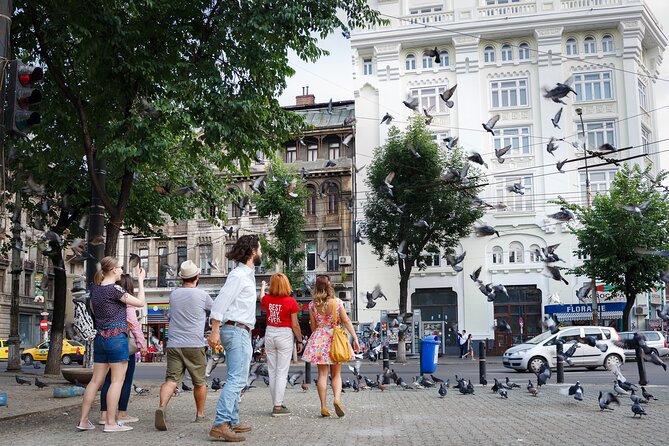
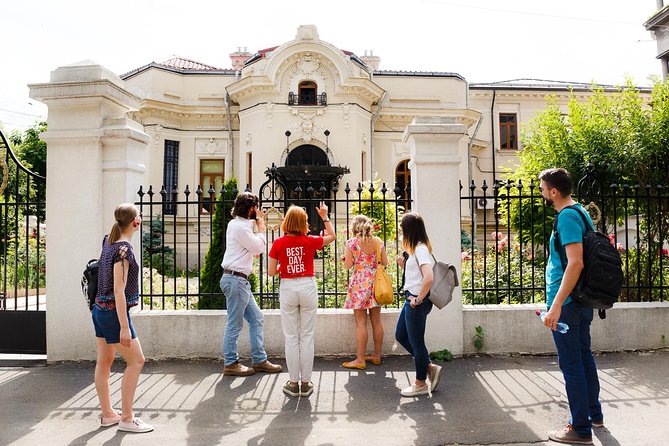
Bucharest’s best stories often sit behind plain gates and down quiet streets. This walking tour leads you from the National Theatre through Batiștei and several old mahallas, where Armenian, Jewish, French, Ottoman, Belle Époque, and communist influences appear side by side. Architecture is the main event, but the guide also explains why these neighborhoods changed so sharply.
I like the small group size, capped at 12, and the chance of a very personal walk with guides such as Andreea, Ioana, Roxana, Lala, Mircea, or Tudor. I also like the practical local advice, from restaurant suggestions to photo stops and cafés such as Simbio or Share Café. The main drawback is the walking: streets can be uneven, shade may vary, and the tour is not ideal if you need a slow or fully accessible route.
Key points to know before booking
- Bucharest beyond the big avenues: Explore quieter central neighborhoods that many visitors miss.
- Mahallas explained clearly: Learn how small ethnic, social, and religious quarters shaped the city.
- Architecture across several eras: See Belle Époque mansions, Orthodox churches, communist-era scars, and buildings awaiting repair.
- Small groups matter: The maximum is 12, and some departures become private when bookings are light.
- A useful first-day walk: The guide can help you understand where to eat and what else to see.
- Allow two and a half to three hours: The advertised duration is approximate, with stops, walking, and possible refreshment breaks.
Why this walk reveals a different Bucharest
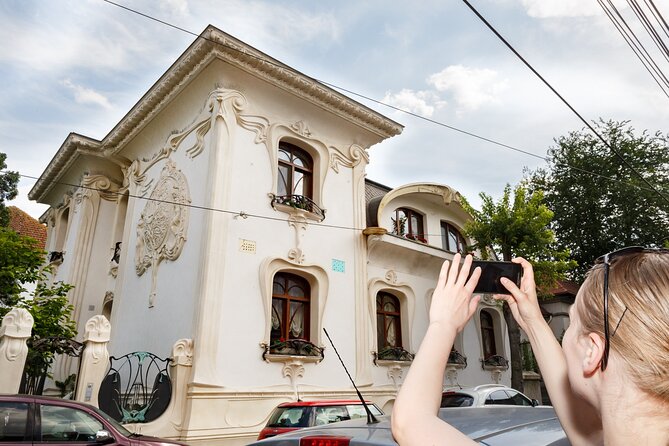
This is not a greatest-hits tour of grand squares and monumental government buildings. It is a look at the capital’s quieter center, where an attractive old house may sit beside a neglected one, and a small lane can tell you more about Bucharest’s past than a polished avenue.
The walk begins at the Ion Luca Caragiale National Theatre on Bulevardul Nicolae Bălcescu. That is a convenient central meeting point, close to public transportation and easy to reach from the main city center. From there, the route moves into streets where Bucharest’s past is less tidy but much more revealing.
You will hear about the city’s connection with the Ottoman Empire. Bucharest was not an Ottoman town, yet it shared features with towns inside the Ottoman sphere. The most useful idea is the mahalla, a small quarter organized around a religious building and often shaped by a shared ethnic, religious, or social identity.
As Bucharest expanded, these small quarters blended into larger neighborhoods. Later came modernization, earthquakes, two world wars, communist demolition projects, and the difficult shift to a market economy. Your guide uses buildings and street plans to make those changes visible instead of treating history as a list of dates.
A few more Bucharest trips worth a look
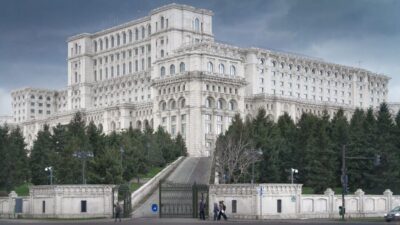
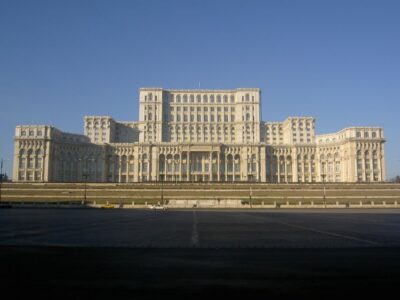
- Bucharest: Palace of Parliament Tickets and Guide
★ 4.3 · 3,182 reviews - Bucharest: Palace of Parliament Tickets and Guided Tour
★ 4.4 · 1,877 reviews - Bucharest: Parliament Palace Skip-the-line Ticket
★ 4.2 · 1,518 reviews
Starting at the National Theatre and Ion Luca Caragiale
The first stop is the National Theatre Ion Luca Caragiale, where you spend about 30 minutes. The focus is not simply the theater itself, but the evolution of Bucharest around it.
This opening gives you a useful frame for the rest of the walk. You begin in a recognizable central setting, then learn to look for less obvious signs of the city’s past: architectural details, old neighborhood patterns, and the contrast between formal boulevards and intimate side streets.
A guide such as Mircea or Lala can turn this kind of introduction into a conversation about how Bucharest changed through several political and cultural periods. The best guides do not treat the city as a single style. They point out how French, German, Armenian, Jewish, Ottoman, and communist influences appear together, often within a short walk.
That variety is one of Bucharest’s pleasures. It can also be visually confusing. A short explanation helps you understand why a grand late-19th-century mansion, a modest older house, and a heavy communist-era building may all belong to the same story.
Batiștei and the old mahallas
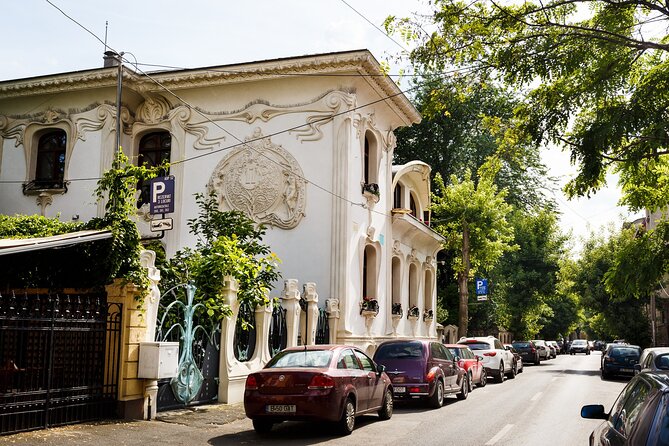
The second section, around Strada Batiștei, lasts about 35 minutes. This is where the idea of mahallas becomes concrete.
The route connects Batiștei with parts of the Armenian Quarter, Mantuleasa, the old Jewish Quarter, Olari, Ioanid-Gradina, and Icoanei. The exact path can vary slightly with the guide and the interests of the group, but the subject remains consistent: how different communities and periods left their mark on central Bucharest.
You may see traces of former community life in architecture, religious buildings, street patterns, and food traditions. The guide’s value here is local context. On your own, you might notice a decorative façade or a half-restored house. With a guide, you get the larger explanation: who lived in the area, how the neighborhood developed, and what happened during war, dictatorship, earthquakes, and redevelopment.
The streets are also a lesson in Bucharest’s present condition. Some handsome houses have been restored. Others are abandoned or crumbling. Ownership disputes, economic changes, and years of neglect have left parts of the old center in an uncertain state. That contrast can be frustrating, but it is also an honest part of the city.
If you like photography, bring your camera or phone. One guide, Anita, adjusted the walk to suit a visitor looking for strong photo locations. Another guide spent extra time at abandoned buildings for a participant interested in them. That flexibility is useful, but it also means the route may feel less rigid than a standard sightseeing circuit.
Ion Voicu Park and Belle Époque Bucharest
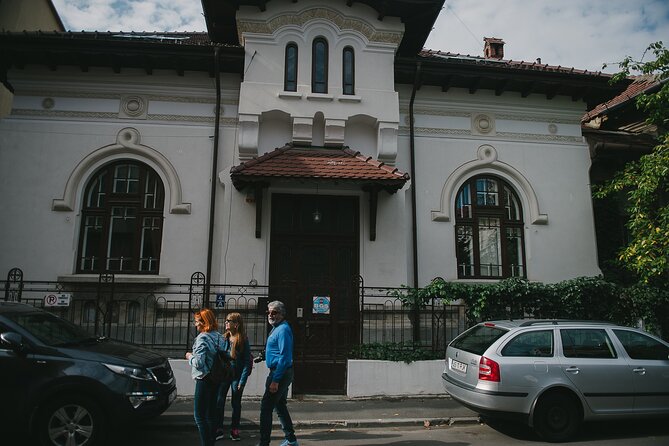
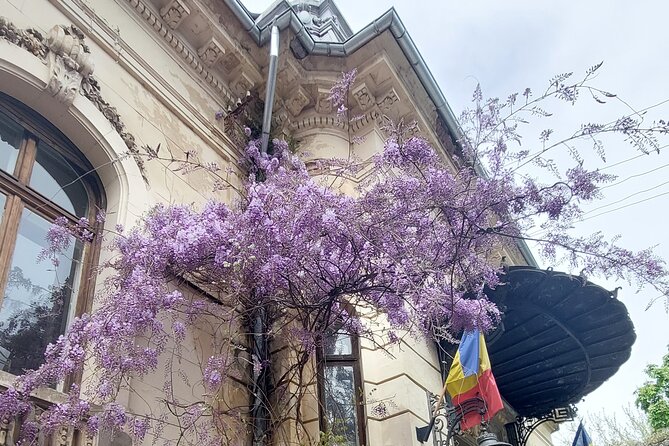
The walk’s third named stop is Ion Voicu Park, with about 40 minutes devoted to the surrounding Belle Époque area. Here, the emphasis shifts to mansions dating from the late 19th century.
This is one of the most appealing sections for anyone who enjoys architecture. The park area offers a quieter setting and a chance to see how prosperous Bucharest once expressed itself through villas, elaborate façades, and carefully planned residential streets.
The word Belle Époque can make a neighborhood sound preserved and polished. This area is more complicated. Some houses are restored or being repaired, while others show the effects of neglect. That mix gives you a clearer sense of Bucharest’s recent past than a perfectly maintained historic district would.
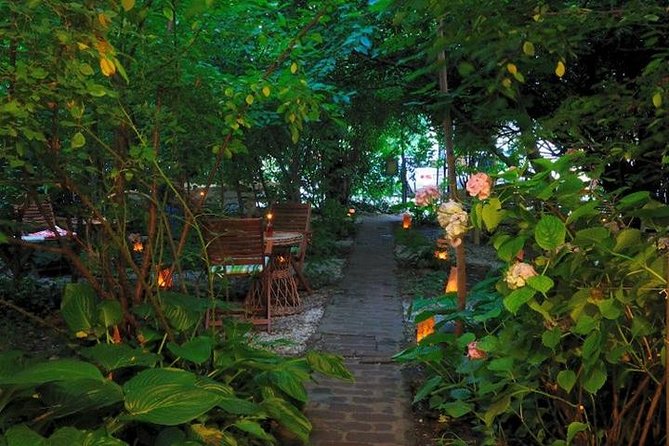
The guides pay attention to small details. Look for decorative elements, unusual façades, changes in building use, and the way new life has returned to old structures. A former French Victorian home, for example, has been adapted into a busy restaurant. Seeing old buildings used again helps you understand that preservation in Bucharest is not only about protecting monuments. It is also about finding practical uses for them.
A different sort of day out, same corner of Romania:
- Bucharest: City Highlights Guided Walking Tour
★ 4.9 · 1,482 reviews - Taste Bucharest: A Food Lover’s Tour of Markets & Neighbourhoods
★ 5.0 · 689 reviews - The Real tour of Communism
★ 5.0 · 666 reviews - Bucharest: Therme Bucharest Entry Ticket and Transfer
★ 4.6 · 608 reviews
Churches, cafés, and the human side of the route
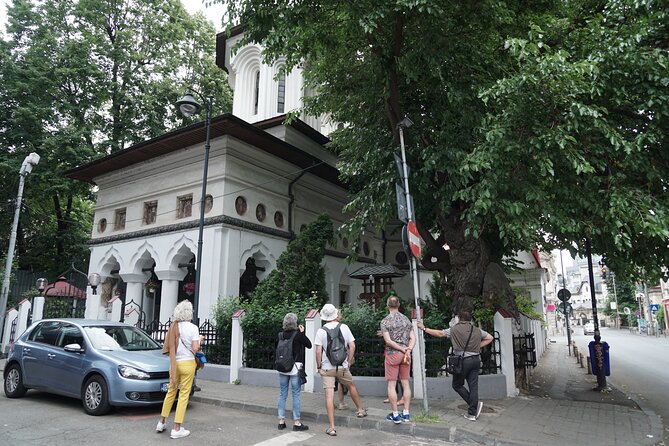
The official stops describe the history and architecture, but the walk is not only a lecture on buildings. Depending on the day and the route, you may enter a beautiful church or pause at a garden café.
Several guides have added a small personal touch, such as a traditional Romanian pastry or cake. Snacks are included, while alcoholic drinks and additional food or drinks are not. Café stops may be available for coffee, lemonade, hot chocolate, or another purchase, but you should not assume that every drink is covered in the tour price.
The refreshment element matters because it breaks up the walking and gives you a chance to ask questions. A stop at a tea house or summer garden can also show you how locals use these older corners of the city today. Past visitors have been taken to places including Simbio and Share Café, though the specific stop may change.
Some guides have offered restaurant recommendations or helped arrange a meal afterward. Lala, for example, finished one walk at a cozy restaurant and suggested another place for later. Roxana included a café break and a meal recommendation. Treat this as useful local guidance, not a guaranteed restaurant itinerary.
What the guides add to the experience
The experience depends heavily on the individual guide. The provider uses several local guides, including Andreea, Ioana, Irina, Alex, Elena, Anita, Tudor, Lala, Mircea, and Roxana.
The strongest feedback centers on their ability to explain Bucharest in plain language and respond to personal interests. Ioana brought cultural knowledge and a traditional Romanian cake for an Easter departure. Mircea looked after a participant during an unusually hot day and later sent extra information by email. Anita adjusted the route for photography.
The guides also appear willing to adapt the pace. One participant who could not complete the final hour of walking was collected by car arranged through the office, and the rest of the route continued by vehicle. That is a thoughtful example of flexibility, but you should still expect a walking tour rather than a vehicle tour.
A private departure is possible when few people book. That can be a real advantage if you want to ask many questions or stop for photographs. It can also create a value issue: one solo participant reported having to pay for two people. Check the booking terms carefully if you are traveling alone.
Is $46.86 a fair price?
At $46.86 per person, this is not the cheapest way to spend a morning in Bucharest. You can walk through central neighborhoods for free, and many buildings can be admired without an admission ticket.
The value comes from interpretation. You are paying for a local person who can connect scattered streets, ethnic quarters, architecture, communist-era damage, and current restoration efforts. A good guide can also save you time by identifying places you would probably pass without noticing.
The small-group limit strengthens that value. With no more than 12 people, the guide can answer questions and make modest route changes. If your departure becomes private, the experience may feel especially personal, though the solo booking rule deserves attention.
Snacks are included, but hotel pickup, drop-off, alcoholic drinks, and unspecified food and drinks are not. Plan on paying for any café stop or meal unless the guide clearly says otherwise.
Timing, meeting point, and walking demands
The start time is 10:00 a.m. at the National Theatre Ion Luca Caragiale, Bulevardul Nicolae Bălcescu 2. The walk ends near KFC on Bulevardul General Gheorghe Magheru, not back at the theater. That makes it easy to continue exploring central Bucharest afterward.
The listed duration is approximately two and a half hours, while the experience is also described as a three-hour tour. The difference likely reflects walking speed, questions, refreshment stops, and route adjustments. I would keep the rest of your morning flexible and allow the full three hours.
You need moderate physical fitness. Wear comfortable shoes, since the route includes several neighborhoods and may involve uneven pavement. Summer can be very hot, so carry water even though guides have helped people stay hydrated on hot days.
The tour is offered in English. It is close to public transportation, but hotel pickup and drop-off are not included. Confirmation is provided at booking, and cancellation is free up to 24 hours before the start time. Cancellations or changes inside that window are not accepted for a refund.
Who will enjoy this most
I would choose this walk if you have already seen, or plan to see, Bucharest’s main landmarks and want the city’s residential side. It is especially good for people who enjoy architecture, urban history, photography, churches, and stories about how communities shape neighborhoods.
It also works well as an early activity in your stay. The walk gives you restaurant suggestions, a sense of direction, and a better idea of how the city center fits together. The relaxed pace can help you get your bearings before tackling larger museums or formal sightseeing.
You may want another kind of tour if you dislike uneven streets, need guaranteed step-free access, or prefer a tightly scheduled route with fixed interiors. The walk is primarily outdoors, and buildings may be viewed from the street rather than entered.
Should you book the Hidden Bucharest walk?
Book it if you want to understand why Bucharest can feel both grand and worn, European and Ottoman-influenced, formal and wonderfully improvised. The best part is not one landmark. It is learning to read the city’s quiet streets, old houses, community traces, and unfinished repairs.
I would schedule it near the beginning of your visit, wear good shoes, and keep time afterward for lunch or further exploring. If you want the polished version of Bucharest, choose a conventional landmark tour. If you want the city behind the main avenues, this small-group walk is a strong choice for the price.
FAQ
How long does the Hidden Bucharest tour last?
The tour lasts approximately two hours and 30 minutes, though it is also described as a three-hour experience. The exact length can depend on walking speed, questions, stops, and route adjustments.
Where does the tour begin?
It begins at the Ion Luca Caragiale National Theatre, at Bulevardul Nicolae Bălcescu 2 in Bucharest.
Where does the tour end?
The stated ending point is the KFC at Bulevardul General Gheorghe Magheru 28-30.
What time does the tour start?
The start time is 10:00 a.m.
What neighborhoods are included?
The route focuses on Batiștei and may include parts of the Armenian Quarter, Mantuleasa, the old Jewish Quarter, Olari, Ioanid-Gradina, and Icoanei, along with the Belle Époque area near Ion Voicu Park.
Is food included?
Snacks are included. Additional food and drinks are not included unless specifically stated. Alcoholic drinks are available to purchase but are not included.
How large is the group?
The tour has a maximum of 12 people. On some dates, only one booking or a small group may attend, creating a more private experience.
What happens if I need to cancel?
You can receive a full refund if you cancel at least 24 hours before the start time. Cancellations and changes made less than 24 hours before the start are not accepted for a refund.
Newest Bucharest trips on the site
- Winery touring & private wine tasting – one day private tour★ 5.0 · 3 reviews
- Village Museum Bucharest Guided Tour★ 5.0 · 6 reviews
- Bucharest: Dealu Mare Winery Private Trip with Wine Tasting★ 4.9 · 6 reviews
- Private Transfer from Giurgiu Port to Bucharest★ 4.5 · 12 reviews
- Airport Henri Coanda (Otopeni) to Bucharest – Private Transfer – Driver★ 5.0 · 5 reviews
- Salt Mine Tour from Bucharest with Entrance Ticket★ 4.5 · 19 reviews
- Wine tasting in Bucharest Old town – bonus cheese platter★ 4.5 · 6 reviews
- Walking tour of Bucharest★ 5.0 · 3 reviews
Bucharest Tours, compared.

Taste Bucharest: A Food Lover’s Tour of Markets & Neighbourhoods
Read our review →