
Reviewed · VILLAGE MUSEUM TOURS
Traditions in Bucharest: Village Museum and Wine Tasting
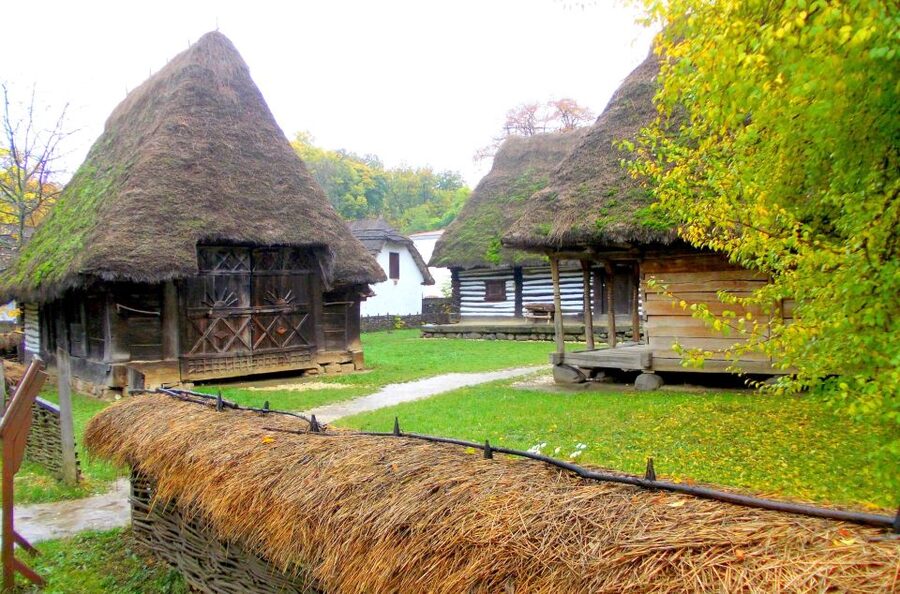
Bucharest can feel like a modern capital until you enter the Dimitrie Gusti National Village Museum, where old wooden homes, churches, barns, and windmills show how rural Romania once worked. I like that the tour gives you more than pretty buildings: you also see handmade ie blouses, painted eggs, and Horezu pottery, then taste the country through three local wines. The mix of architecture, craft, and food gives you a useful way to understand Romania without leaving the city.
I also like the private format and the flexible finish near the Romanian Athenaeum. Guides such as Mihai have earned praise for being punctual, friendly, and willing to adjust the pace on a very hot day. The main consideration is that $153 per person is a serious price for 4.5 hours, especially if you are traveling alone. It makes better sense if you value private transport, a personal guide, and a focused introduction to Romanian culture.
Key points at a glance
- 300-plus historic buildings: See homes, churches, mills, and farm structures moved from Romanian regions and rebuilt in King Michael Park.
- A useful regional sampler: Compare the architecture of Transylvania, Wallachia, Moldavia, the Danube Delta, and the Black Sea area.
- Crafts with cultural meaning: Look for ie blouses, Moldavian painted eggs, glass icons, Horezu pottery, wooden masks, and traditional sweets.
- Three Romanian wines: Taste local grapes such as Feteasca Neagra, Tamaioasa Romaneasca, and Negru de Dragasani.
- Private door-to-door service: Pickup is included, and the tour finishes by the Romanian Athenaeum, near Bucharest’s Old Town.
- Best for curious adults: The pace and wine stop suit visitors who want context, conversation, and a compact cultural introduction.
Why this short Bucharest tour works
This experience links three parts of Romanian identity that are often visited separately: village life, folk art, and wine. You start with the physical world of rural Romania, move to objects made by hand, and finish with a drink shaped by soil, climate, and old grape varieties.
That structure matters. A museum can feel like a collection of old houses if no one explains why the houses look different. A craft shop can become a pile of souvenirs if you do not know what an ie or a painted egg represents. Wine can be reduced to three glasses unless someone explains the grapes and regions behind them.
The private format gives you room to ask questions. Your guide collects you at your accommodation in a car, van, or taxi, then returns you toward central Bucharest. The tour is conducted in English or Romanian, and the guide waits in your hotel lobby beside reception. If there is no lobby, pickup is downstairs at the entrance.
The whole outing lasts about 4.5 hours. That is long enough for a proper museum visit and a relaxed tasting, but short enough to fit into a busy Bucharest stay. You should still expect a fair amount of walking at the museum. Children under three cannot join, and the activity is not suitable for wheelchair users.
More Wine Tours in Bucharest
- Wine Tasting in Bucharest
★ 5.0 · 183 reviews - Private Tour to Salt Mine, Lunch at Winery and Dracula Grave
★ 5.0 · 60 reviews - Bucharest: Private Wine Tasting Experience
★ 5.0 · 44 reviews
Entering Romania’s village at the 1.5-hour museum visit
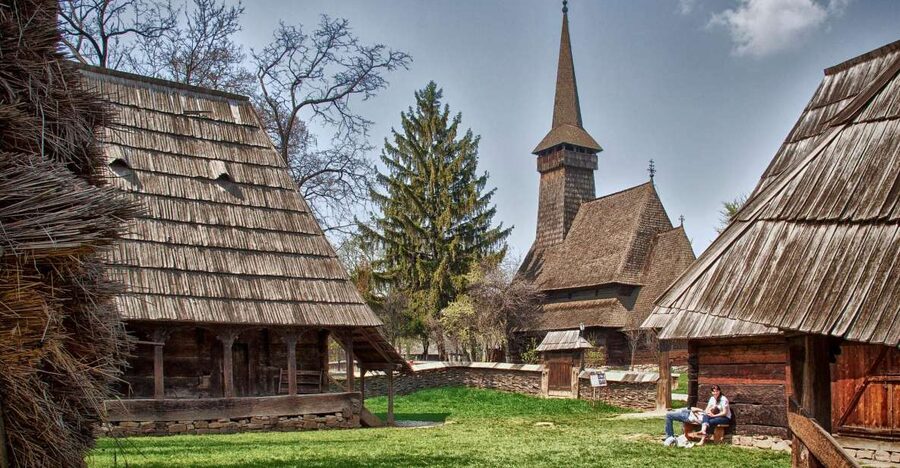
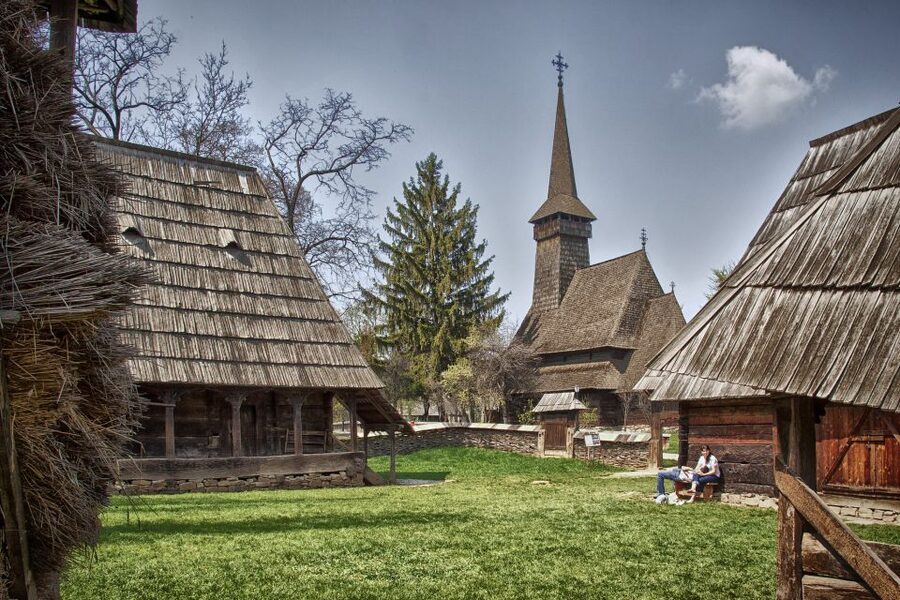
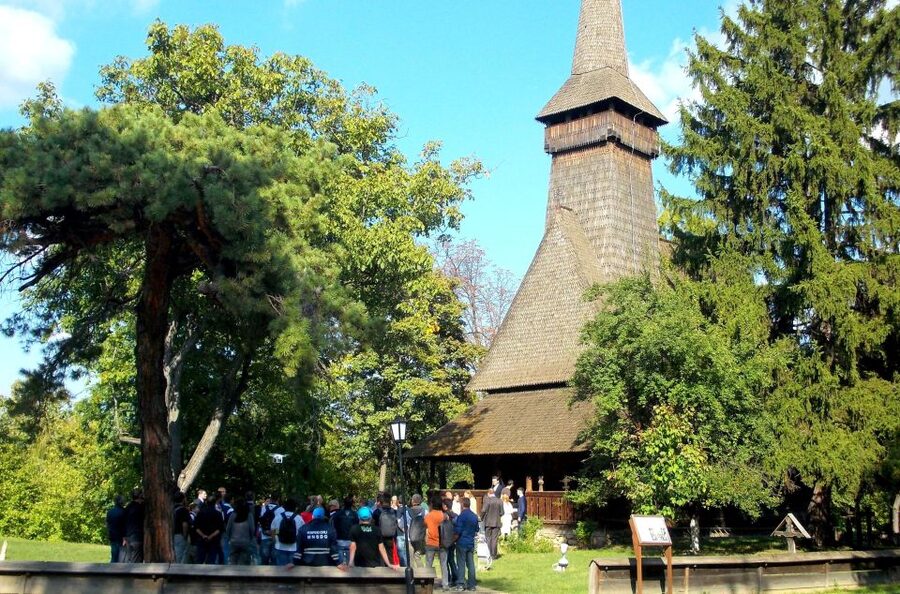
The Dimitrie Gusti National Village Museum is the heart of the tour. It opened in 1936 inside King Michael Park and contains more than 300 buildings brought from different parts of Romania. They were taken apart, transported, and rebuilt on the museum grounds.
The result is not a single historic village that grew in one place. It is a carefully arranged collection of regional buildings. That distinction is useful because the museum lets you compare parts of the country in one walk.
You might see steep-roofed peasant homes from mountain areas, thatched barns, wooden churches, larger inns, mansions from Wallachia and Moldavia, and windmills associated with the Danube Delta or the Black Sea coast. Each form says something about local weather, materials, work, and community life.
The architecture is the main attraction, but the guide is what turns the visit into a lesson. Ask about how homes were organized, what the wooden churches tell you about local building skills, and why roofs and walls vary from one region to another. The provided museum visit lasts about 1.5 hours, so you will get a strong overview rather than an exhaustive look at every building.
I would plan to wear comfortable shoes and bring water, especially in summer. One visitor had a very hot day, and guide Mihai adjusted the experience to keep it manageable. That kind of flexibility is more valuable here than a rigid march from one building to the next.
The museum also gives you a break from Bucharest’s city streets. You remain in the capital, but the setting feels far removed from office blocks and traffic. It is a good choice if you want to understand rural Romania without spending a day traveling to the countryside.
From folk architecture to Romanian handmade work
The next stop is Art&Craft Victoriei, a local shop focused on handmade Romanian goods. You have about 30 minutes here, enough time to look closely and decide if anything deserves space in your luggage.
The most distinctive item is the ie, the traditional Romanian blouse. You can also see glass-painted icons, Easter eggs from Moldavia, Horezu pottery from Wallachia, wooden masks, small Transylvanian trinkets, books, Dracula-themed souvenirs, and traditional sweets.
The painted eggs deserve special attention. Their detailed patterns are connected with Moldavian craft traditions, and they give you a more specific sense of folk art than a generic souvenir magnet. Horezu pottery is another useful marker of place, showing how a regional craft can become part of the country’s wider cultural image.
This stop is partly cultural and partly practical. You do not have to buy anything, but it is a sensible place to shop if you want an object that connects to Romania rather than an item found in any airport shop. Traditional knot cookies and chocolate nuts offer a smaller, edible option.
Allow yourself time to browse without feeling obliged to purchase. The shop includes Dracula products, so the selection is not limited to museum-quality folk objects. That variety can be useful if you are buying for several people, but it also means you should ask the guide which items have a clear regional connection.
Three glasses at the local wine bar
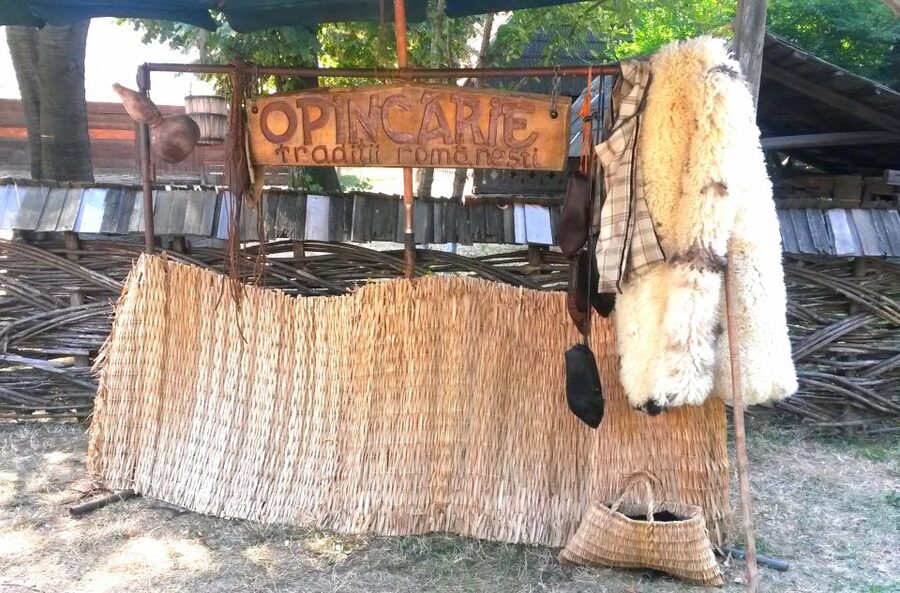
After the museum and crafts, the tour shifts to Romanian wine. You walk about five minutes to a local wine bar, where the tasting lasts around 1.5 hours.
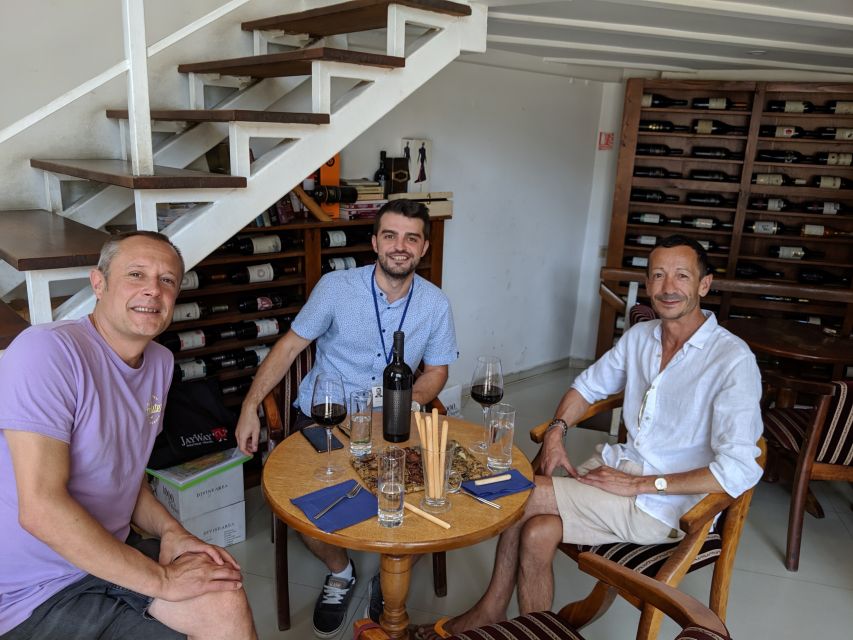
The included tasting consists of three wine glasses, one glass of water, and a small platter of local cheese and charcuterie. You are not simply handed three drinks and left to guess what you are tasting. The guide explains Romanian wine, the industry’s revival in recent decades, and the character of regions such as Dealu Mare.
The grape varieties make this stop particularly worthwhile. Feteasca Neagra is a native red variety, while Negru de Dragasani is another local name to watch for. Tamaioasa Romaneasca offers a different style and helps show that Romanian wine is not limited to one type of grape or flavor.
I like this part because it connects agriculture to culture. The museum shows how people built and lived, while the wine gives you a taste of what the land can produce. The cheese and charcuterie also make the tasting feel like a small Romanian food lesson rather than a formal wine exam.
You do not need advanced wine knowledge. The guide’s job is to make the wines understandable, not to test your vocabulary. Ask which bottle is easiest to find in Bucharest, which grape is most distinctly Romanian, and what region you should look for if you want to continue exploring local wine after the tour.
The tasting is also the most social part of the experience, even though your group is private. You can take your time, compare the glasses, and talk through what you like. If you want to stay longer at the bar after the included tasting, you can do so at your own expense.
More Village Museum visits:
- Palace of the Parliament, Village Museum & Ceaușescu Mansion
★ 4.9 · 31 reviews - Traditions in Bucharest: Village Museum and Wine Tasting Tour
★ 5.0 · 27 reviews - Private Bucharest city tour visit the Palace of the Parliament & Village Museum
★ 4.5 · 21 reviews - Village Museum Bucharest Guided Tour
★ 5.0 · 6 reviews
The Romanian Athenaeum finish and central location
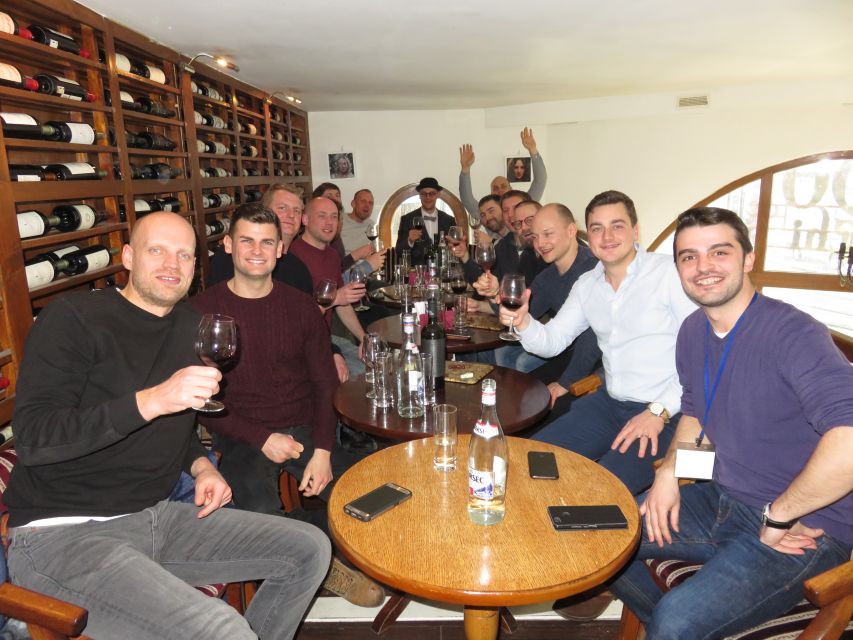
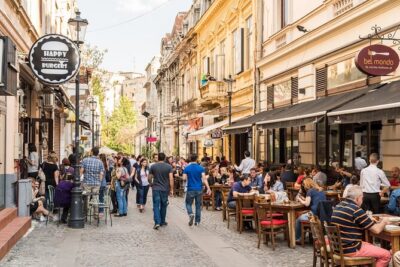
The tour ends at the Romanian Athenaeum, after the wine stop. The itinerary includes a brief ten-minute photo stop or pass-by at this landmark, and the final location is within walking distance of Bucharest’s Old Town.
That finish gives you useful freedom. You can ask for directions back to your accommodation, walk toward the Old Town, or remain at the wine bar before making your own way onward. If your day continues in central Bucharest, you will not be stranded at a distant museum.
The Athenaeum also makes a sensible meeting point for the end of a private tour. You can use the remaining daylight for central sights, find a meal in the Old Town area, or return to your hotel with the guide’s directions.
Do not confuse the short Athenaeum stop with a full interior visit. It is listed as a photo stop and pass-by, so the main attractions are the Village Museum, craft shop, and tasting.
Is $153 a fair price?
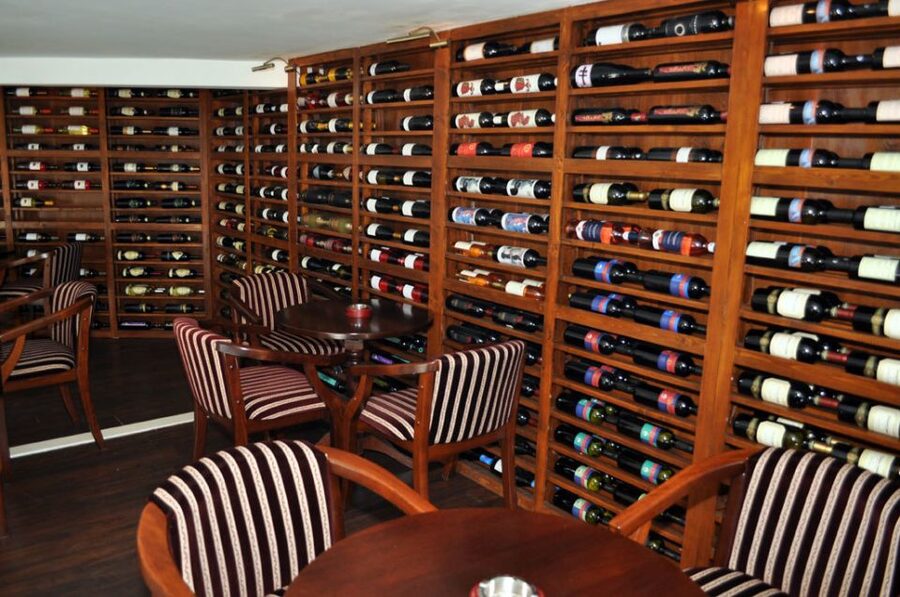
At $153 per person, this is not a budget activity. You are paying for a private group, pickup from your accommodation, transport, museum admission, a licensed guide, a guided museum visit, and three wines with food.
The value improves if you are traveling with one or more companions who want a private experience. You avoid arranging a taxi to the museum, researching the buildings on your own, and finding a wine bar that offers Romanian varieties. You also get a guide who can connect the stops instead of treating them as unrelated visits.
The price is harder to justify if your main goal is simply to see the museum. You could spend less by visiting independently, though you would give up the private transport and the guided explanation. The tasting is a meaningful part of the package, particularly if Romanian wine is new to you.
I would compare this with the cost of arranging separate transport, museum entry, a craft-shopping stop, and a wine tasting. If you want all four elements in one half-day, the price is easier to accept. If you prefer slow, independent exploration, book only the museum and choose your own food and wine stops.
Who will enjoy this experience most?
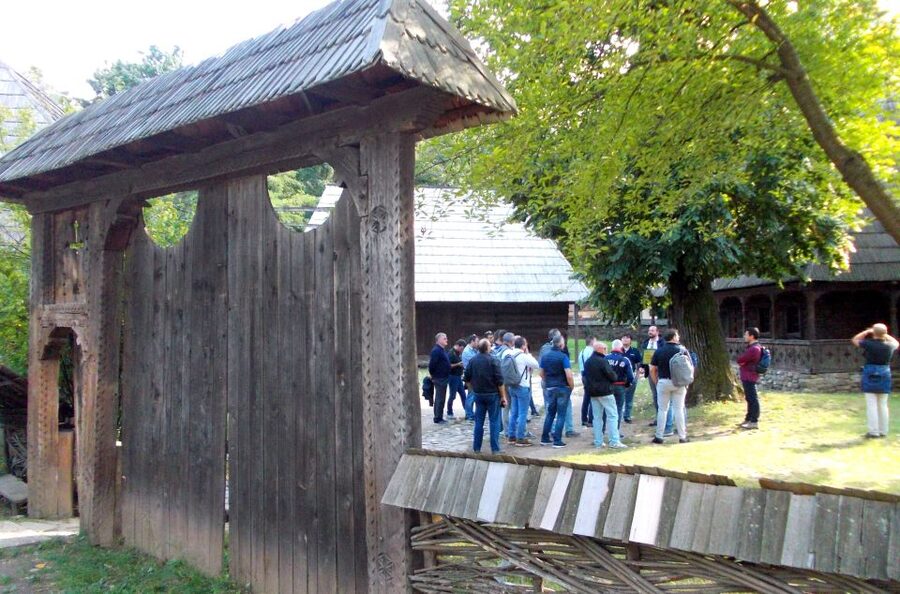
I would recommend this tour to first-time visitors who want a compact introduction to Romania. It is especially useful if your Bucharest stay is short and you want more than city-center architecture.
It also suits people who enjoy local food and drink but do not want a full-day winery trip outside the capital. You taste three Romanian wines and hear about major wine regions without spending hours on the road.
The tour is a good fit for couples, families with older children, and friends who prefer a private schedule. It is less suitable for very young children, wheelchair users, or anyone who wants a fast, shopping-free sightseeing program.
Your guide can make a big difference. Mihai is specifically praised for arriving on time, explaining Romanian history with energy, and adapting the pace in extreme heat. Since private tours can vary by guide, it is worth telling the company what interests you most: architecture, folk art, wine, or practical shopping advice.
Useful planning details before you book
The tour offers free cancellation up to 24 hours before departure, and you can reserve now and pay later. Starting times vary, so check availability for the date you want.
Wear shoes suitable for walking around an open-air museum. Summer heat can make the grounds tiring, while cooler months may make the wine stop especially welcome. The experience runs in English or Romanian.
Pickup is included from Bucharest accommodation. If your hotel has a lobby, wait beside reception. If it does not, wait downstairs at the entrance. The tour finishes at the Romanian Athenaeum rather than returning you automatically to your hotel, so plan your next stop from central Bucharest.
The included food is limited to the cheese and charcuterie platter at the wine bar. Any extra drinks or food cost more. The tasting includes three glasses and water, not an unlimited sampling session.
Should you book this Bucharest culture and wine tour?
Book it if you want a private half-day that explains Romania through buildings, objects, and wine. The Village Museum is the strongest part, while the craft shop and tasting give the visit a clear cultural follow-through.
I would skip it if $153 feels high for a short activity, if you only want the city’s major landmarks, or if you prefer to explore at your own pace. For everyone else, the combination is unusually well balanced: you see rural traditions, handle the idea of Romanian folk craft, and taste local grapes before ending near the center of Bucharest.
FAQ
How long does the Bucharest Village Museum and wine tour last?
The experience lasts about 4.5 hours, including transportation, the museum visit, the craft stop, and the wine tasting.
Where does the tour begin?
Your guide picks you up from your accommodation in Bucharest. At a hotel with a lobby, wait beside the reception desk. If there is no lobby, wait downstairs at the entrance.
Where does the tour finish?
The tour finishes at the Romanian Athenaeum, within walking distance of Bucharest’s Old Town area.
Is transportation included?
Yes. Private transport by car, van, or taxi is included, along with hotel pickup.
How much time is spent at the Village Museum?
The guided visit at the Dimitrie Gusti National Village Museum lasts about 1.5 hours.
What can I see at the Village Museum?
You can see more than 300 buildings brought from across Romania, including peasant homes, barns, wooden churches, inns, mansions, windmills, and thatched-roof houses.
What is included in the wine tasting?
The tasting includes three glasses of Romanian wine, one glass of water, and a local cheese and charcuterie platter.
Which Romanian wines might I taste?
The experience introduces varieties such as Feteasca Neagra, Tamaioasa Romaneasca, and Negru de Dragasani, as well as wines connected with regions such as Dealu Mare.
Is the tour offered in English?
Yes. Live guiding is available in English and Romanian.
Can children or wheelchair users join?
Children under three are not permitted, and the activity is not suitable for wheelchair users.
Can I cancel the booking?
You can cancel up to 24 hours in advance for a full refund. You can also reserve now and pay later.
More Food Tours in Bucharest
- Taste Bucharest: A Food Lover’s Tour of Markets & Neighbourhoods
★ 5.0 · 689 reviews - Street Food’n’Culture Tour
★ 5.0 · 209 reviews - Discover Bucharest: Private Highlights and Traditional Food Tour
★ 5.0 · 86 reviews - Bucharest Beer and Culture Tour with a Local
★ 5.0 · 47 reviews
More Bucharest Wine Tastings
- Small-group max 7, Salt Mine, Lunch at Winery & Dracula Grave
★ 5.0 · 25 reviews - Bucharest: Romanian Wine and Food Pairing Experience
★ 4.0 · 23 reviews - Wine Tasting in Bucharest long version
★ 5.0 · 22 reviews - Salt Mine , Lunch at Winery & Dracula Grave – Private Tour
★ 5.0 · 17 reviews
Newest Bucharest trips on the site
- Winery touring & private wine tasting – one day private tour★ 5.0 · 3 reviews
- Bucharest: Dealu Mare Winery Private Trip with Wine Tasting★ 4.9 · 6 reviews
- Village Museum Bucharest Guided Tour★ 5.0 · 6 reviews
- Private Transfer from Giurgiu Port to Bucharest★ 4.5 · 12 reviews
- Airport Henri Coanda (Otopeni) to Bucharest – Private Transfer – Driver★ 5.0 · 5 reviews
- Salt Mine Tour from Bucharest with Entrance Ticket★ 4.5 · 19 reviews
- Wine tasting in Bucharest Old town – bonus cheese platter★ 4.5 · 6 reviews
- Private Wine Tasting at Bucharest’s First Wine Bar★ 5.0 · 3 reviews
Village Museum Tours, compared.

Palace of the Parliament, Village Museum & Ceaușescu Mansion
Read our review →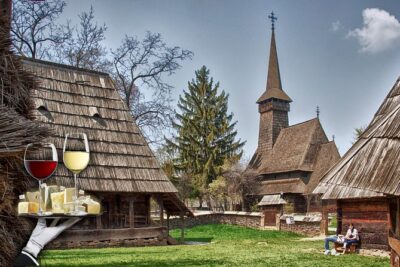
Traditions in Bucharest: Village Museum and Wine Tasting Tour
Read our review →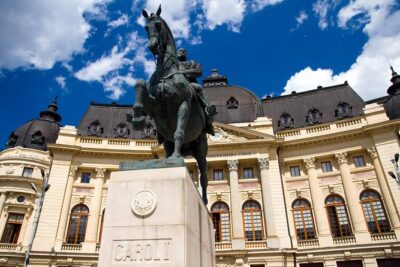
Private Bucharest city tour visit the Palace of the Parliament & Village Museum
Read our review →
National Village Museum and Salt Mine in a Day Tour
Read our review →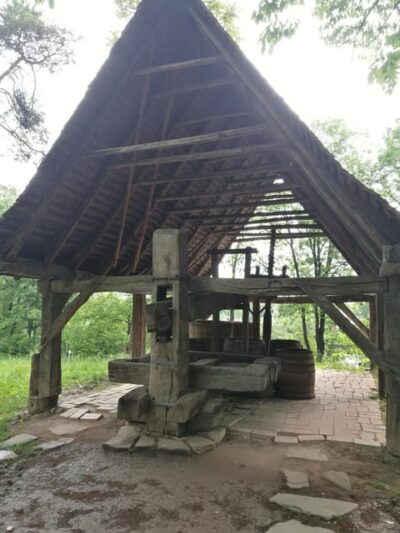

Bucharest one day tour with Parliament Palace and Village Museum
Read our review →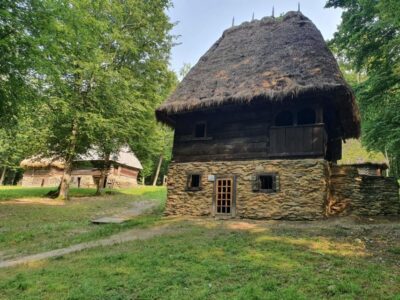
Snagov Monastery, Ceaușescu Mansion, & Village Museum – 6h
Read our review →Browse the lists this tour appears in