
Reviewed · 3-DAY EXPERIENCES
3-Day Medieval Transylvania Package Tour
Transylvania packs an astonishing amount into three days: painted monasteries, Saxon villages, medieval towers, mountain roads, Bran Castle, and the elegant halls of Peleș Castle. This tour gives you a practical route from Bucharest, with Sibiu, Sighișoara, and Brașov forming the heart of the trip.
I like the small-group format, limited to 16 people, and the two nights in central hotels with breakfast. I also like the mix of famous sights and quieter stops such as Cozia Monastery and Biertan. The tradeoff is simple: you will spend long stretches in the vehicle, and entrance tickets, lunch, dinner, and a possible single supplement add to the advertised price.
Key points to know before booking
- Three medieval towns in one route: Explore Sibiu, Sighișoara, and Brașov, each with a different character and architectural story.
- Two important castles: Bran Castle supplies the Dracula connection, while Peleș Castle offers a more refined royal interior.
- Monasteries add depth: Curtea de Argeș, Cozia, and Sinaia Monastery show the religious and artistic side of Romania.
- Small group transport: A car or minibus carries up to 16 participants, with hotel pickup in Bucharest.
- Busy but rewarding schedule: Expect full days, walking tours, queues at popular castles, and several hours on the road.
- Weekend planning matters: Saturday and Sunday departures run in reverse, and Peleș Castle is closed Mondays and Tuesdays.
What the $588 price really covers
At $588 per person, this is not a bargain-basement bus trip, but it can offer solid value if you want several regions covered without arranging hotels, roads, parking, and intercity transport yourself.
The price includes transportation by car or minibus, fuel, parking, an English-speaking driver-guide, and two nights in 3-star hotels with breakfast. The hotels are in Sibiu and Brașov, and the available feedback describes them as comfortable, well located, and suitable for a short touring trip. Breakfast is included, which helps you get moving early.
You still need to budget for entrance fees at the churches, Clock Tower, Bran Castle, Peleș Castle, and other paid sites. Lunch and dinner are also extra. Traditional Romanian meals are part of the plan, but you pay for them yourself.
Solo visitors should note the additional €60 fee, paid in cash to the guide at the start. For two people sharing the included accommodation, the price is easier to justify. For one person, that supplement makes the total noticeably higher.
The tour has free cancellation up to 24 hours before departure, and you can reserve now and pay later. Those terms are useful if your Romanian plans are still shifting.
More three-day trips from Bucharest:
- 3 Days Private Tour in Romania from Bucharest with Tour Guide
★ 5.0 · 12 reviews - 3 Days Private Tour in Romania with Transfagarasan Road
★ 5.0 · 6 reviews - 3-Day Explore Transylvania from Bucharest
★ 5.0 · 17 reviews
Day one: Curtea de Argeș, Cozia, and Sibiu
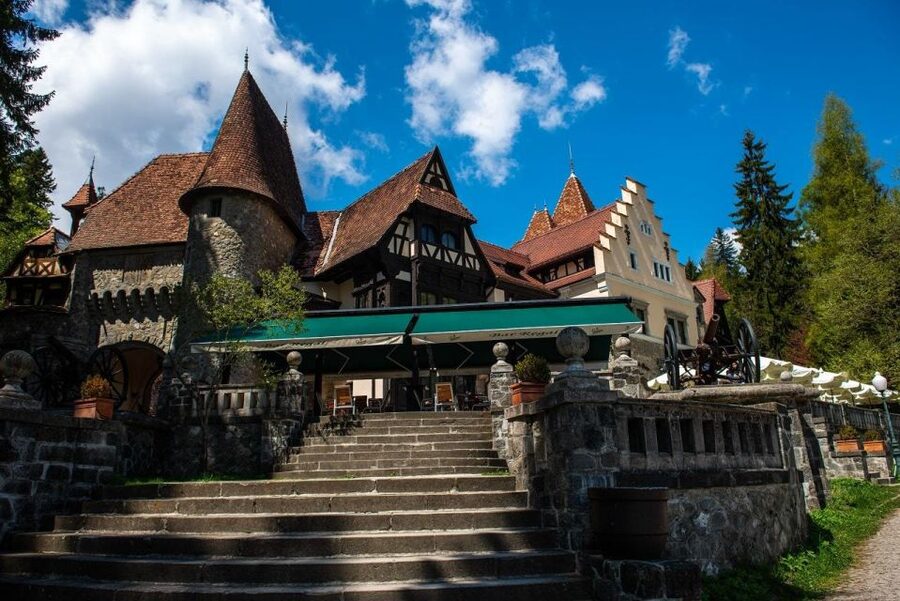
The first day begins with pickup from your Bucharest hotel and a long drive toward Transylvania. Your first major stop is Curtea de Argeș, home to a striking monastery built in 1514 by Neagoe Basarab, ruler of Wallachia.
The church is known for its unusual Moorish-influenced appearance. It is a useful early reminder that Romanian architecture is not simply Western European medieval architecture with a different label. Local Orthodox traditions, Byzantine forms, and outside influences meet here in a compact and ornate building.
From Curtea de Argeș, the route continues to Cozia Monastery. Smaller in scale, Cozia is important for its place in Romanian medieval art. The setting beside the Olt River adds to the stop, and the monastery gives the day a quieter rhythm before the longer drive onward.
Lunch takes place at a traditional Romanian restaurant. Since meals are not included, you should carry some Romanian lei as well as a card. The schedule is designed around sightseeing, so do not expect a long independent lunch break.
The afternoon drive leads through the Carpathian scenery toward Sibiu. This is one of the more enjoyable parts of the route, but it is also where you begin to feel the pace. You are covering serious distances, not simply hopping between nearby villages.
Sibiu was once the capital of the Principality of Transylvania and has strong German Saxon roots. Records refer to the city as far back as 1191, and the old center retains a clear medieval structure. A walking tour introduces the main squares, old buildings, and the compact streets of the historic center.
I especially like Sibiu as the first overnight stop because it gives you a chance to see a major city on foot instead of treating it as a quick photo stop. The evening includes a traditional Romanian dinner, paid separately, followed by the night in a central 3-star hotel.
The main limitation is time. You will see the old town with a guide, but this is not a slow city break. If you want museums, extended café time, or detailed independent exploration, you will need to return to Sibiu on another trip.
Day two: Biertan and the towers of Sighișoara
After breakfast, you leave Sibiu for Biertan, one of Transylvania’s best-known Saxon villages. Its fortified church was built between 1490 and 1524 and is described as the largest fortified church in Transylvania.
The fortifications are more than decoration. In medieval Saxon settlements, churches could serve as places of refuge during attack. Biertan helps you understand how village life, religion, and defense were tied together in this part of Europe.
The stop is relatively focused, which is helpful on a three-day tour. You get a strong sense of the village and church without spending half the day on one site. It is also one of the places where comfortable shoes matter. The tour involves walking on old surfaces and standing during visits.
Next comes Sighișoara, the medieval citadel that dates to 1280. Its old center is one of the clearest examples of a living medieval town in the region. Unlike a preserved museum village, it remains populated, with homes, restaurants, and daily activity inside the old walls.
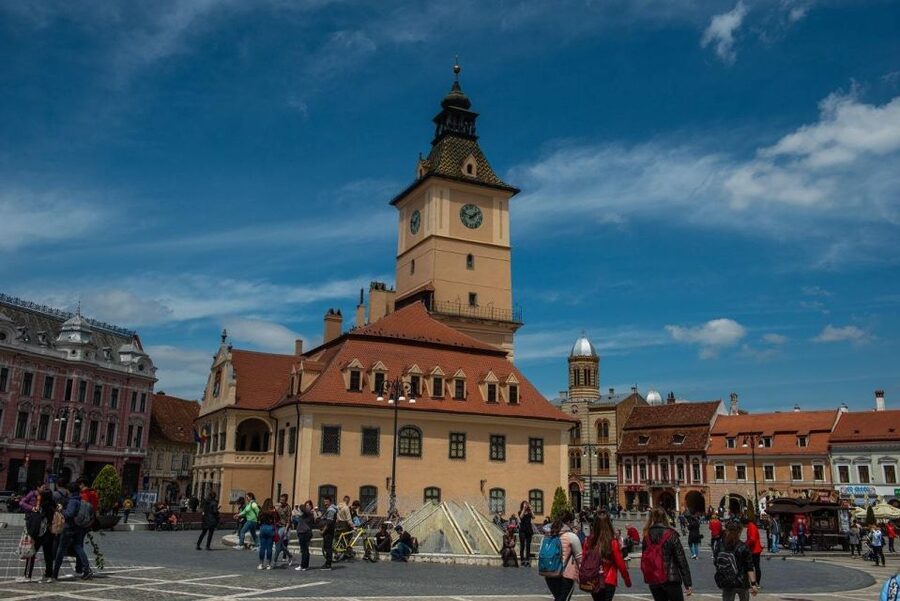
The Clock Tower is the landmark stop. Climb or visit it for broad views over the old houses and surrounding countryside, subject to its opening schedule. The tower is closed on Mondays, so check your departure day before assuming it will be part of the visit.
Sighișoara is also the point where Dracula folklore enters the route more clearly. The town is linked with Vlad the Impaler, the historical figure often connected to the Dracula story, although the real history and Bram Stoker’s fiction are not the same thing. The tour gives you the atmosphere without requiring you to treat the legend as fact.
Lunch follows before the drive to Brașov. Again, the food is not included, but a traditional meal is part of the day’s plan. You should allow extra spending for meals and possible snacks during the long road sections.
Brașov after dark and on foot
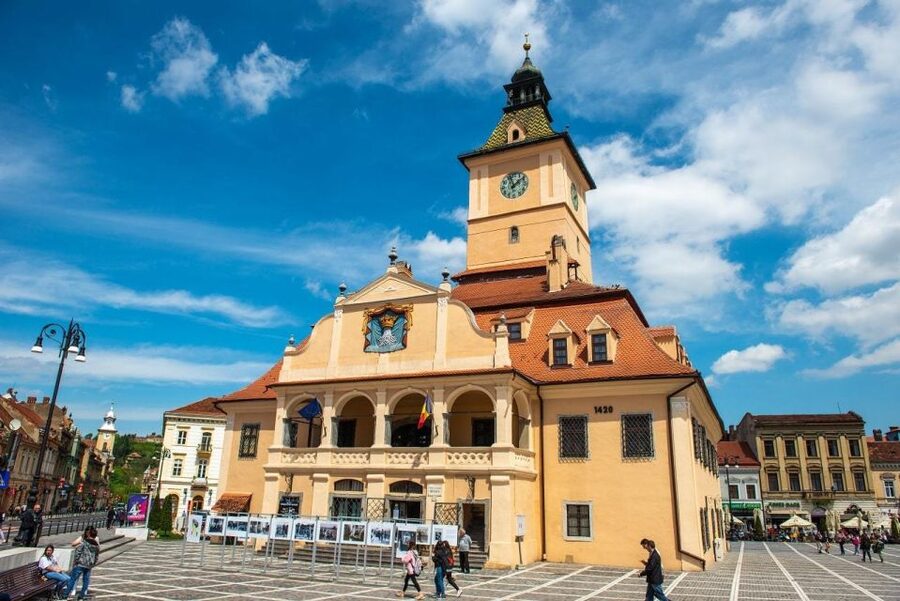
Brașov sits near the Southern Carpathians and has a strong medieval center with German Saxon roots. The city’s documented history reaches back to 1235, and its old streets combine Gothic churches, later buildings, and traces of Romania’s more recent past.
The guided walking tour includes the narrowest street in Romania, a memorable little passage that gives the old town some character beyond the standard square-and-church circuit. You also hear about the city’s connection to the Romanian national anthem and its brief Communist-era name, Stalin City.
Brașov is a good overnight base because the center is compact and atmospheric after the day’s crowds thin out. The second night’s hotel is included with breakfast, and the accommodation receives strong marks for comfort and quality.
The next morning begins with the Black Church, built in 1383. It is Brașov’s main tourist sight and an important Gothic building in Romania. The visit gives you a stronger architectural anchor before the route turns toward castles.
Do not expect a leisurely Brașov stay. The tour introduces the city well, but you will not have unlimited time for every church, museum, or hillside view. If Brașov is your main reason for visiting Romania, a separate overnight stay would suit you better.
A few more Bucharest trips worth a look
- Castles of Transylvania: Private Day Trip from Bucharest
★ 4.5 · 248 reviews - Small Group Tour to Viscri Church Sighisoara Town Rupea Fortress
★ 5.0 · 225 reviews - 2-Day Medieval Transylvania with Brasov,Sibiu and Sighisoara Tour from Bucharest
★ 4.5 · 145 reviews - Sibiu: Alba Iulia and Corvin Castle Guided Tour
★ 4.7 · 66 reviews
Day three: Bran Castle and the Dracula question
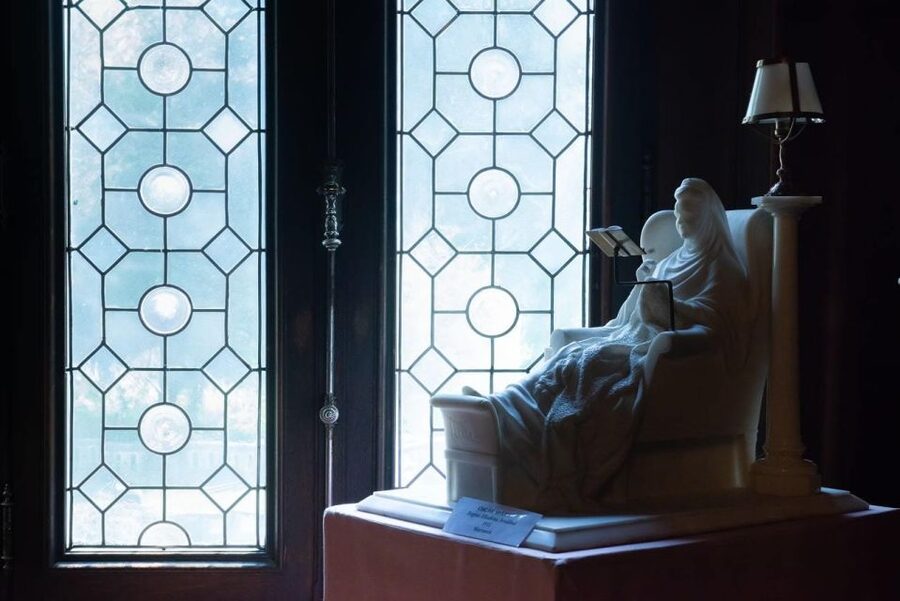
Bran Castle sits between Transylvania and Wallachia and is marketed around its connection with Count Dracula. Its relationship to Bram Stoker’s fictional castle is indirect, but the setting and medieval appearance make it an obvious stop on a Transylvania route.
You will explore the castle grounds and museum, then stop for a traditional lunch. Bran is one of the busiest parts of the trip, especially when queues form for entry and restrooms. Build patience into your expectations. The castle is popular because it is photogenic and easy to connect with the Dracula story, not because it provides a complete historical explanation of Vlad the Impaler.
The tour works best if you enjoy separating the legend from the real place. You can appreciate the dark towers, mountain setting, and folklore while remembering that the Dracula image owes more to popular culture than to a direct historical connection.
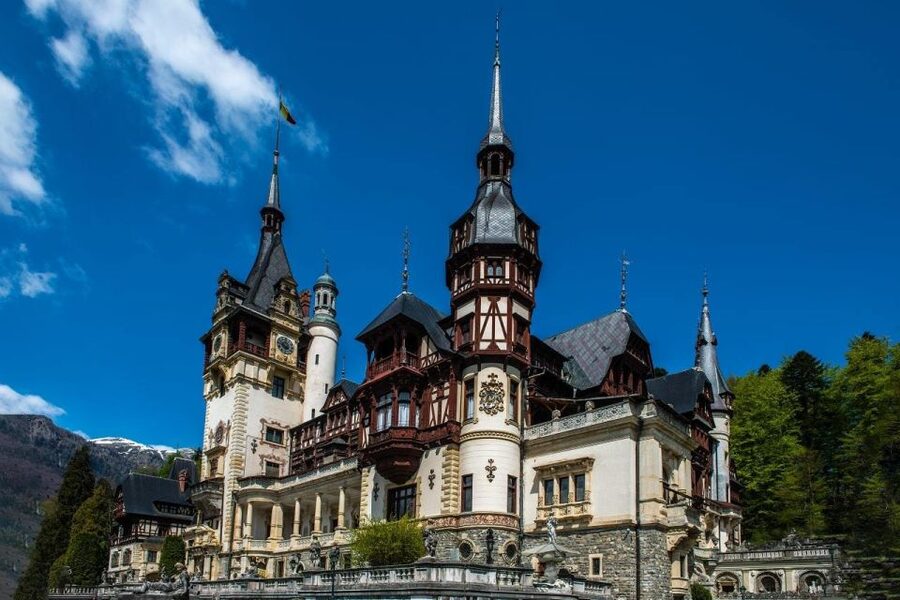
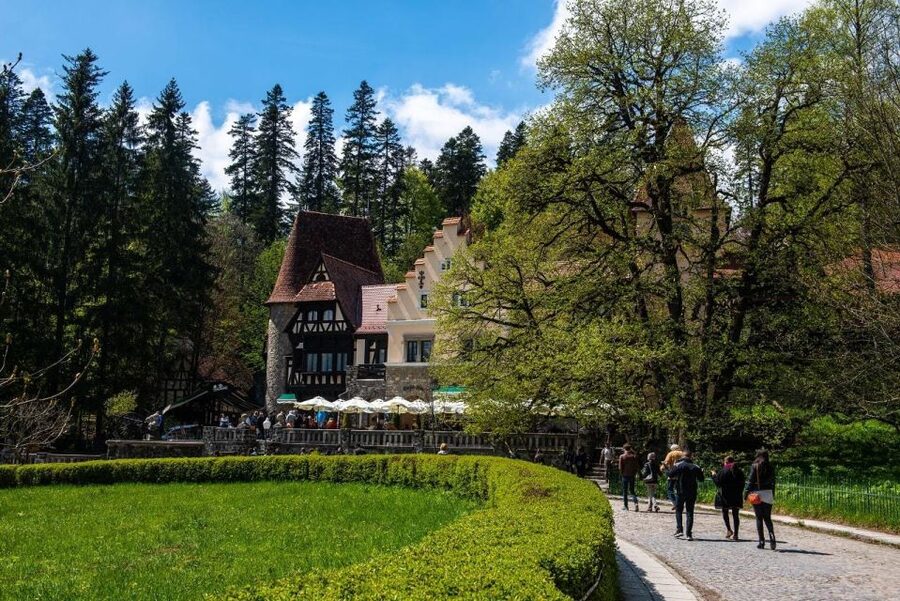
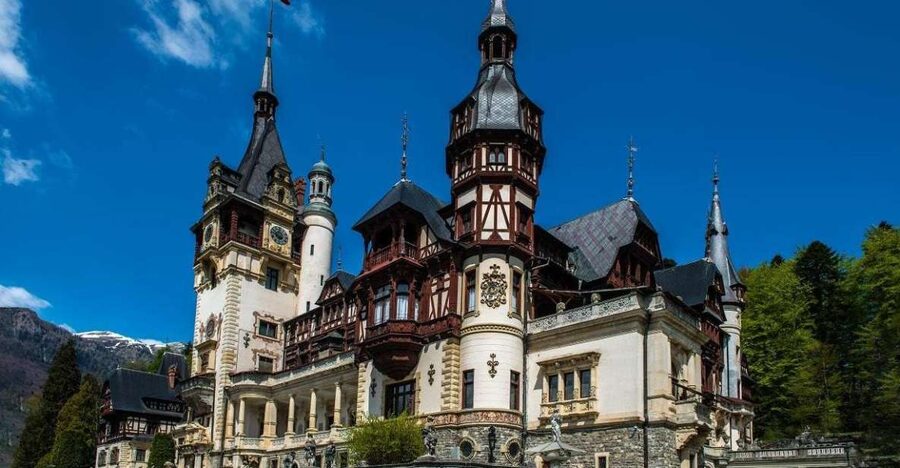
The road then continues to Sinaia, a mountain resort in the Prahova River valley. Here you visit Peleș Castle, built for Romania’s first king, Carol I, between 1875 and 1914.
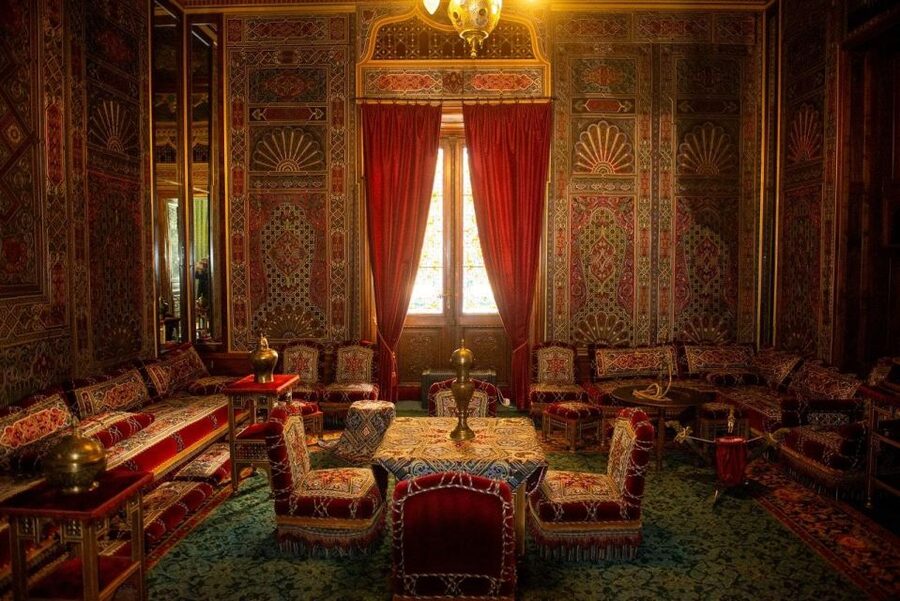
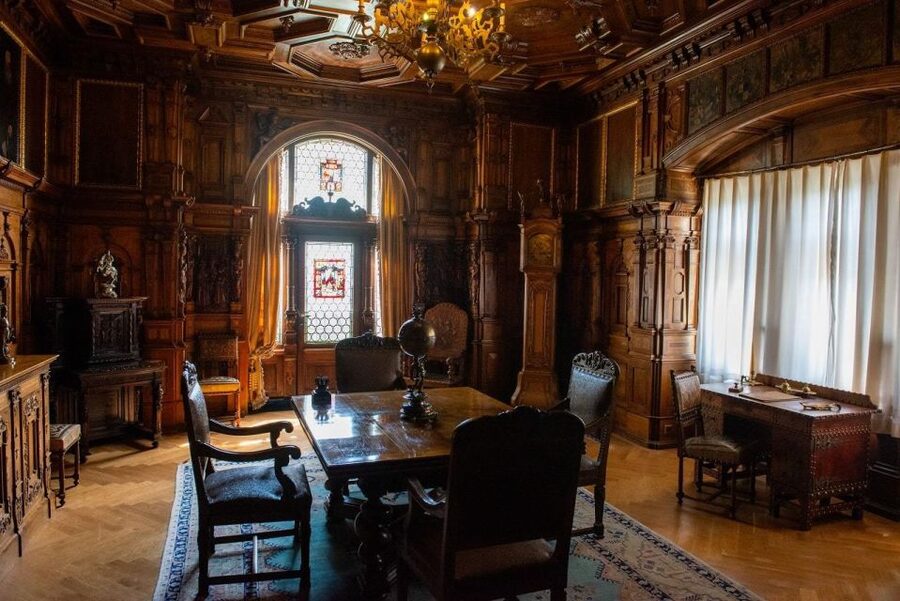
Peleș is a very different experience from Bran. Bran is medieval-looking and tied to a famous legend. Peleș is a late 19th-century royal residence with a Neo-Renaissance design and elaborate interiors. If you have time to focus, Peleș may be the most visually refined building on the entire route.
There is one major scheduling issue. Peleș Castle is closed on Mondays and Tuesdays. If your itinerary falls on one of those days, the visit cannot proceed as normal, so confirm the operating schedule before booking.
The last major stop is Sinaia Monastery, founded in the 17th century by Prince Mihail Cantacuzino after a pilgrimage to Mount Sinai. You visit the Old Church and the 19th-century Great Church before returning to Bucharest.
How demanding is the schedule?
This is an active sightseeing trip, even though it does not require difficult hiking. You will walk through old towns, stand inside churches and castles, climb or tour towers, and spend substantial time getting from place to place.
The vehicle itself is an important part of the experience. The tour uses a car or minibus, and the group is capped at 16. That is more personal than a large coach, and it makes hotel pickup and narrow-town access easier.
The long driving days have two sides. You get to see much more of Romania than you could by staying in one city, and the road sections connect the sites in a logical loop. But the schedule leaves little room for delays, long lunches, or spontaneous stops.
One useful caution comes from the driving style. A guide named Matthew, also spelled Mathew in one account, receives strong praise for his humor, care, history knowledge, and safe handling from several bookings. Another account found the driving too abrupt and felt that roadside sights were passed too quickly. If you hope to stop for every scenic view or possible bear sighting in the mountains, this may not be the right format.
The guide also appears to function partly as driver and trip escort. You receive guided visits at the main sites, but commentary while passing through towns and countryside may be limited. Ask questions as you go if you want more context.
Weekend departures and route changes
Saturday and Sunday departures run in reverse order. That is not merely a small detail. It can change which sights you see on which day and may affect opening hours.
One Sunday departure was reported to have skipped Curtea de Argeș without an explanation, while returning to Bucharest around 2 p.m. on the final day. The same account described a long driving day with only a short stop at Biertan, followed by visits to Brașov and Sibiu.
I would confirm the exact weekend route with TravelMaker before paying, especially if Curtea de Argeș is important to you. Also check the Monday closure at the Sighișoara Clock Tower and the Monday and Tuesday closure at Peleș Castle.
This does not make weekend departures unusable. It simply means you should understand that the order can change and that the advertised sequence may not match your actual day-by-day plan.
Who will get the most from this tour?
I would choose this package if you have three days, start in Bucharest, and want a broad first look at Transylvania without hiring a car. It is particularly useful if you want someone else handling Romanian roads, parking, hotel coordination, and the long connections between towns.
It suits adults and older children who can manage full sightseeing days. The tour is not suitable for children under seven, and it is not designed for people with mobility impairments. Comfortable shoes are essential.
You will like it if you value variety: monasteries one morning, a fortified church next, a medieval citadel after lunch, and a royal castle on the final day. You may not like it if you prefer slow travel, long museum visits, or plenty of time in each town.
Should you book the Medieval Transylvania Package Tour?
Book it if your priority is coverage. For $588, you receive transport, a driver-guide, parking, fuel, breakfast, and two nights of accommodation while visiting many of Romania’s most recognizable historic places.
I would be cautious if your budget does not allow extra spending for entrance tickets, meals, and the €60 solo fee. I would also avoid booking without clarification if you are taking a weekend departure and especially want Curtea de Argeș, the Sighișoara Clock Tower, or Peleș Castle.
For a first visit, the route is strong. The towns of Sibiu, Sighișoara, and Brașov provide the real substance, while Bran Castle supplies the familiar Dracula hook and Peleș gives the finale polish. Just bring patience for the roads, reasonable expectations about guide commentary, and shoes that can handle old streets.
FAQ
How long is the Medieval Transylvania Package Tour?
The tour lasts three days and includes two nights of accommodation.
Where does the tour begin and end?
Pickup is provided from hotels in Bucharest, and the tour returns to Bucharest at the end.
What transportation is included?
Transportation by car or minibus is included, along with parking and fuel costs.
How large is the group?
The tour is a small-group experience limited to 16 participants.
Is a guide included?
Yes. An English-speaking driver-guide is included. Other languages may be available on request.
What accommodation is included?
Two nights in 3-star hotels are included, with breakfast. The overnight stops are in Sibiu and Brașov.
Are entrance fees included?
No. Entrance fees for attractions are paid separately.
Are meals included?
No. Lunch and dinner are not included, although the itinerary includes opportunities for traditional Romanian meals.
Is there an extra fee for solo visitors?
Yes. Solo visitors must pay an additional €60 in cash to the guide at the beginning of the tour.
Is Peleș Castle open every day?
No. Peleș Castle is closed on Mondays and Tuesdays. The Clock Tower in Sighișoara is closed on Mondays.
Newest Bucharest trips on the site
- Winery touring & private wine tasting – one day private tour★ 5.0 · 3 reviews
- Bucharest: Dealu Mare Winery Private Trip with Wine Tasting★ 4.9 · 6 reviews
- Village Museum Bucharest Guided Tour★ 5.0 · 6 reviews
- Private Transfer from Giurgiu Port to Bucharest★ 4.5 · 12 reviews
- Airport Henri Coanda (Otopeni) to Bucharest – Private Transfer – Driver★ 5.0 · 5 reviews
- Salt Mine Tour from Bucharest with Entrance Ticket★ 4.5 · 19 reviews
- Wine tasting in Bucharest Old town – bonus cheese platter★ 4.5 · 6 reviews
- Walking tour of Bucharest★ 5.0 · 3 reviews
3-Day Experiences, compared.
3-Day Tour of Transylvania’s Landmarks from Bucharest
Read our review →
3-Day Private Tour of Medieval Transylvania from Bucharest
Read our review →
3 Days Private Tour in Romania from Bucharest with Tour Guide
Read our review →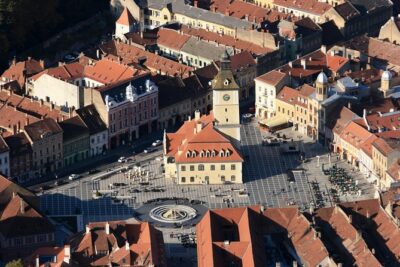
Medieval Transylvania: Shared 3-Day Tour from Bucharest
Read our review →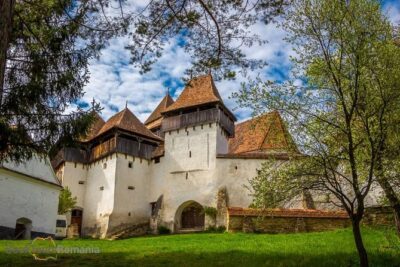
3-Day Tour from Bucharest: Transylvania Villages and Medieval Towns
Read our review →
3 Days UNESCO Tour of Transylvania. Private tour from Bucharest
Read our review →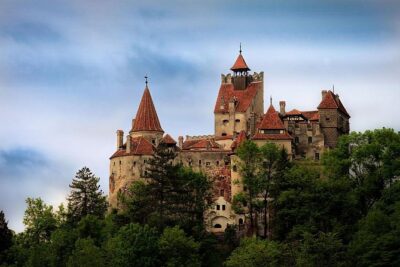
Browse the lists this tour appears in