
Reviewed · 3-DAY EXPERIENCES
3 Days UNESCO Tour of Transylvania. Private tour from Bucharest
Transylvania is far more than Dracula, and this private tour proves it quickly. You’ll pass through Saxon villages, enter fortified churches built for survival, and sleep inside the medieval world of Sighisoara. I especially like the mix of famous places such as Bran Castle and Brasov with quieter stops such as Viscri and Biertan.
I also like the private format, since your guide can explain local customs, history, food, and the odd joke along the way. Guides named David and Adrian Ene receive especially warm praise for being patient, prompt, friendly, and good drivers. The main drawback is the pace: three days cover a lot of ground, and entrance fees and most meals are not clearly included despite the broad tour description.
Key points at a glance
- Sleep in medieval Sighisoara: Two nights are based in the UNESCO-listed historic town rather than in a modern city outside it.
- See four fortified Saxon churches: Prejmer, Viscri, Saschiz, and Biertan reveal why village churches in Transylvania were built like defensive strongholds.
- Expect long touring days: The route links Bucharest, the Prahova Valley, Sighisoara, Sibiu, Alba Iulia, Bran, Brasov, and Bucharest.
- Private transport matters: You travel by car or minivan with only your own group, not on a large coach.
- Dracula is only one part of the story: Bran Castle appears on Day 3, but the strongest cultural experiences come from the medieval towns and rural villages.
- Check the inclusions carefully: Accommodation, transport, guiding, and breakfast are covered, but some church and castle tickets, meals, tips, and personal costs are extra.
What this three-day Transylvania route really offers
At $945.06 per person, this is not a cheap day trip from Bucharest. It is a private, multi-day circuit with two nights of accommodation, a guide, a vehicle, and a long list of sights. I would judge the price mainly by how much you value private transport and door-to-door guiding, not by the number of included meals.
The supplied description occasionally calls this a seven-day tour, but the detailed schedule is clearly for three days. The practical plan is three days, starting at 9 a.m. in Bucharest and returning there on the third day. Confirm the exact accommodation, breakfast arrangement, and admission fees before paying, since the inclusions say entrance fees are covered while several individual stops say tickets are not included.
This route is best for you if you want an efficient first look at central Romania without arranging several hotels, train tickets, and rural transfers on your own. It is also a good fit if you prefer asking questions as you go. The private setup lets your guide adjust explanations and perhaps the pace within the fixed route.
More three-day trips from Bucharest:
- 3 Days Private Tour in Romania from Bucharest with Tour Guide
★ 5.0 · 12 reviews - 3 Days Private Tour in Romania with Transfagarasan Road
★ 5.0 · 6 reviews - 3-Day Medieval Transylvania Package Tour
★ 4.7 · 31 reviews
Day 1: From Bucharest across the Carpathians
Your guide collects you at your Bucharest hotel or address at 9 a.m. The first stretch heads toward Transylvania through the Prahova River Valley, crossing the Carpathian Mountains. The drive itself is part of the appeal, with mountain views and small resort towns along the road.
I would use this opening section to ask your guide for the basic map of the trip. Transylvania is not one compact old town. It is a large region, and the route links villages and cities spread across central Romania. A private guide can make the changing scenery easier to understand instead of leaving you to watch it pass from a bus window.
Prejmer and the logic of a fortified church
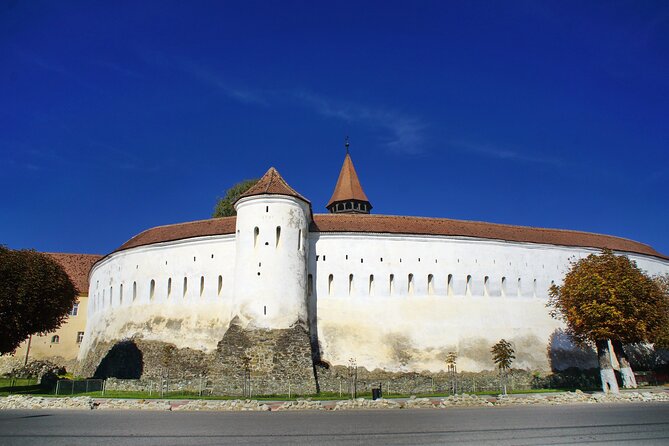
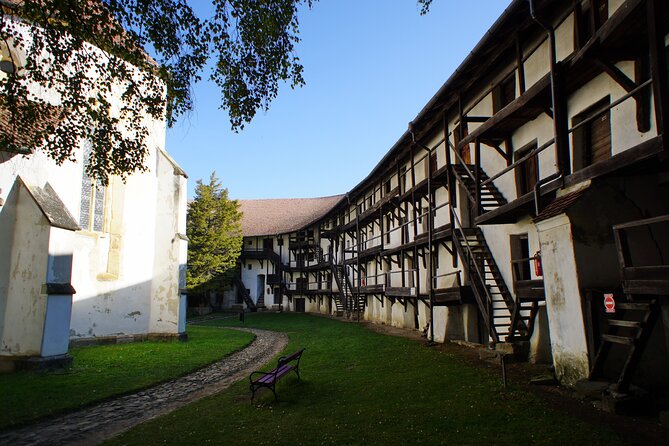
The first major stop is Prejmer, one of the tour’s UNESCO-listed highlights. You get about 45 minutes here, with an explanation of why fortified churches were built and how important they were to village life.
This is a strong first visit because it sets up the rest of the trip. These churches were not simply places for worship. Their walls and defensive features protected the local community during periods of danger. Once you see Prejmer, the fortified churches at Viscri, Saschiz, and Biertan make more sense.
The listed price details are unclear here. Prejmer is marked as having an admission fee, while the general inclusions say standard entrance fees are part of the tour. Budget for possible extra tickets and ask the operator for a current list of included admissions.
Viscri, a village with an older rhythm
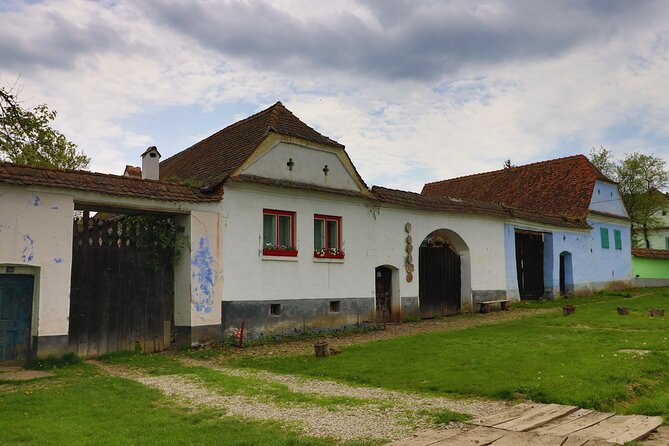
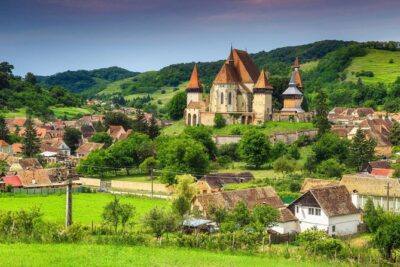
The road continues to Viscri, one of the most appealing stops for anyone who wants more than polished city centers. The village preserves traditional house styles, crafts, customs, and traces of its Saxon or German heritage. You have about an hour for a walk and a visit to the fortified church.
Viscri is valuable because the setting helps explain how the region functioned. In Sighisoara, you see the finished medieval town. In Viscri, you see village life and architecture on a smaller scale. I would not rush this stop. Look at the houses as you walk, and pay attention to how different the village feels from Bucharest.
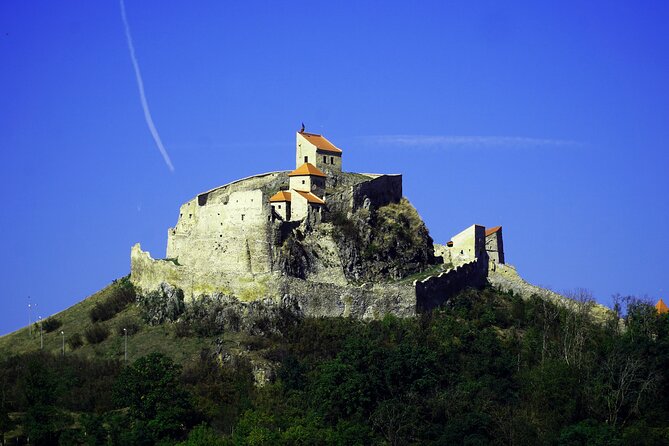
The tour then passes Rupea Fortress, a hilltop stronghold dating from the 14th century. The schedule describes it as a roadside view rather than a full visit, so you should not assume you will enter. Its position above the surrounding area makes it a useful reminder that defense shaped both the towns and the countryside.
A few more Bucharest trips worth a look
- Castles of Transylvania: Private Day Trip from Bucharest
★ 4.5 · 248 reviews - Small Group Tour to Viscri Church Sighisoara Town Rupea Fortress
★ 5.0 · 225 reviews - 2-Day Medieval Transylvania with Brasov,Sibiu and Sighisoara Tour from Bucharest
★ 4.5 · 145 reviews - Sibiu: Alba Iulia and Corvin Castle Guided Tour
★ 4.7 · 66 reviews
Saschiz and the arrival in Sighisoara
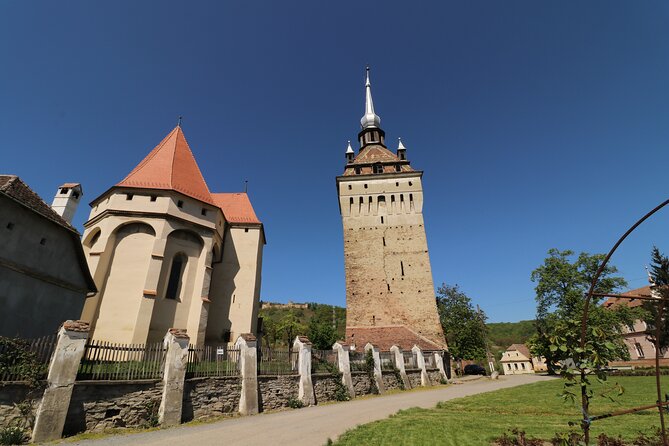
Saschiz brings another Saxon church, built in Gothic style in 1493. The visit is short, about 15 minutes, and the nearby peasant fortress is described as the Giants Castle because of a local legend. Again, the church ticket may cost extra.
The limited time at Saschiz is one of the compromises of this route. You see several important sites, but you will not have hours at each one. If you are deeply interested in church architecture or medieval fortifications, tell your guide early. You may need to choose between a longer look and staying on schedule.
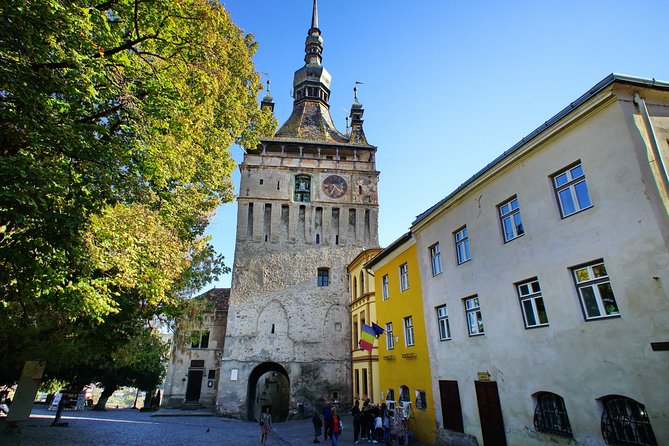
By afternoon, you reach Sighisoara, the best-preserved medieval town on the route. You have about two hours to walk its stone-paved lanes and see the Clock Tower, History Museum, covered stairs, Church on the Hill, towers, and defensive walls. The birthplace associated with Vlad Tepes, the historical figure linked to later Dracula stories, is also here.
Sighisoara is the cleverest overnight choice in the program. Instead of visiting for a quick photograph and sleeping elsewhere, you stay in the medieval town for two nights. That gives you a better chance to see it at a calmer time of day, although the exact hotel is not specified.
Day 2: Biertan, Sibiu, and Alba Iulia
Day 2 begins at 8:30 a.m. after breakfast. The early start is sensible because the schedule reaches across a broad section of Transylvania. You will spend much of the day moving between historic sites, so comfortable shoes and a willingness to keep to time matter.
Biertan and the fortified church tradition
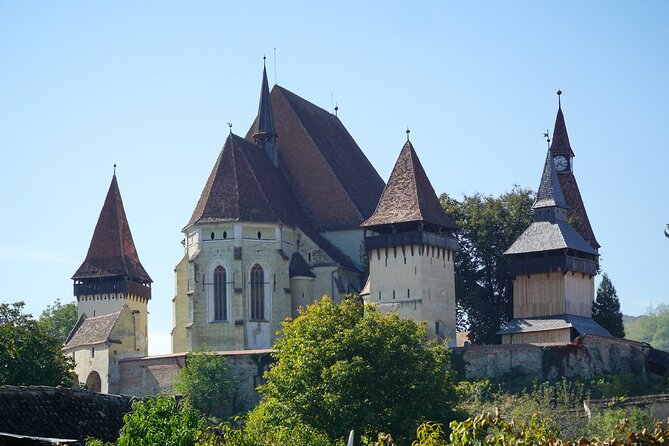
The first stop is Biertan, a former medieval trade center with a fortified church dating from the 15th and 16th centuries. The church served as the headquarters of the Evangelical Bishops for roughly 300 years.
The drive through rolling farmland and old Saxon villages is as important as the church itself. The route shows how widespread village fortification was in southern Transylvania. With about an hour here, you get enough time to see the site and hear its place in the region’s religious and civic story.
Biertan is also a good counterpoint to Prejmer. Prejmer introduces the defensive idea, while Biertan shows how such a church could sit at the center of a larger community with trade and religious authority.
Sibiu, the largest urban stop
Next comes Sibiu, a former European Capital of Culture and one of the most attractive old cities in Romania. You have about two hours for the historic center, including the Big Square, Little Square, Lutheran Evangelical Cathedral, Orthodox Cathedral, Liars Bridge, and sections of the medieval wall.
Sibiu gives the tour a needed change of scale. After small villages and fortresses, you get a city where you can walk between squares, churches, and civic buildings. The city is described as a possible future UNESCO site, but it is not presented as a current UNESCO stop on this route.
Two hours is enough for a guided orientation and the main sights, but not for a slow museum day. If you want time for coffee, shopping, or a longer church visit, make that clear. The tour’s strength is coverage, not extended free time.
Alba Iulia and Romanian national history
The afternoon continues to Alba Iulia, a city with Roman origins under the name Apulum. The itinerary brings together several layers of history: Roman castrum remains from the second century, medieval fortifications from the 16th century, and 18th-century Vauban-style defenses.
You also visit the Union Museum and the Reunion Cathedral. Alba Iulia is important to Romanian national history because the union of the Romanian regions was proclaimed here. The Catholic Cathedral is another major sight and one of the oldest religious buildings in Transylvania.
The citadel is on Romania’s preliminary UNESCO list, but that does not make it a current UNESCO World Heritage site. That distinction is worth keeping clear if you are choosing the tour mainly for official UNESCO locations.
After roughly an hour and a half in Alba Iulia, you return to Sighisoara for the night. This is a full day, and the return drive means you should expect limited unstructured time in the evening.
Day 3: Bran Castle, Brasov, and the route back to Bucharest
The final day turns toward two of the region’s best-known names: Bran and Brasov. It finishes with the return to Bucharest, with a possible stop at Peles Castle.
Bran Castle and the Dracula connection
Bran Castle receives about 90 minutes. It is commonly called Dracula’s Castle because Bram Stoker’s 1897 novel and later film adaptations tied the Dracula legend to this part of Romania. The castle’s documented history goes back to 1377.
The useful way to approach Bran is to separate legend from architecture. You can enjoy the Dracula association, but the tour’s wider story is about a historic fortress and the way modern popular culture reshaped its reputation. After the visit, you have time for souvenir shopping.
Admission is listed as extra, so include it in your budget. Bran can be the most crowded and commercial stop on the route, especially compared with Viscri or Biertan. If you want the quieter side of Transylvania, the earlier fortified churches will probably be more rewarding.
Brasov’s medieval center
The tour then visits Brasov, one of Transylvania’s key historic cities. The 90-minute walk includes Council Square, the Black Church, White and Black Towers, Weavers Bastion, Catherine’s Gate, and Rope Street.
Brasov was a major trade center and a heavily fortified town. The surviving medieval buildings help connect the city to the villages and churches you saw on the first two days. I like having Brasov after Bran because the city gives the Dracula story a broader setting. You are no longer looking at one famous castle. You are seeing the commercial and defensive world that shaped the region.
Ninety minutes is enough for a clear introduction, but you will need to keep moving. The Black Church, in particular, may deserve more time than this schedule allows if you want a detailed interior visit.
Optional Peles Castle
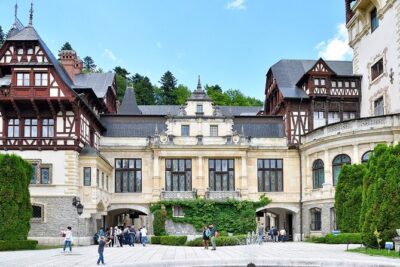
The final possible stop is Peles Castle, a former royal residence of the Romanian kings. It is described as optional, quick, and subject to an additional admission fee. Since the tour must still return to Bucharest, the guide may need to judge the timing on the day.
Peles is appealing if royal architecture is a priority, but I would treat it as a bonus rather than a guaranteed centerpiece. Ask whether the stop is possible, whether the interior visit is included, and how much time it leaves for reaching Bucharest.
Guides, transport, and the private format
The tour uses a car or minivan and is private, so only your group participates. That is a major advantage on a route with several short visits and rural roads. You avoid waiting for a large group at every stop, and you can ask for explanations tailored to your interests.
David is repeatedly praised for his professionalism, kindness, patience, driving, English, and clear explanations. Specific praise also highlights his advice about restaurants and local food, along with history, culture, and local humor during the drive. Adrian Ene is also named as a helpful guide in the supplied material, though that particular praise concerns a Bucharest tour, so you should confirm who will lead your Transylvania departure.
English and Spanish guiding are offered, with other languages available on request. Confirmation is subject to availability and is expected within 48 hours of booking. Pickup is offered from your Bucharest hotel or address, and the meeting time is 9 a.m.
What the $945.06 price covers
The price includes two nights of accommodation, transport, a tour guide, and breakfast according to the inclusion list. It also says standard entrance fees are included, but individual stops such as Prejmer, Viscri, Biertan, Bran Castle, and Peles Castle are marked as not included. Breakfast is also labeled optional in one part of the details.
That contradiction is the main money issue. I would ask for a written breakdown before booking:
- Which hotel or hotel category is used in Sighisoara?
- Is breakfast included in the quoted price?
- Which entrance tickets are covered?
- Are meals beyond breakfast completely separate?
- Is Peles Castle admission included if the stop is possible?
Airfare, meals not mentioned, tips, and personal expenses are not included. The value is strongest for a couple or small private group that wants a driver-guide and does not want to plan rural connections. A larger group using the group discount may find the per-person cost easier to justify.
The posted rating is 4.9 from eight reviews, and the strongest praise centers on organization, comfortable transport, good hotel choices, clear information, and guides such as David who stay attentive throughout the trip. Those qualities matter here because the route involves many transitions, not just a few central sights.
Who should book this tour?
Book it if you want a concentrated introduction to Transylvania, prefer private touring, and care about fortified churches as much as famous castles. It suits first-time visitors who want Bucharest pickup, hotel nights arranged, and a guide who can explain the region while driving.
Think twice if you dislike early starts, long road sections, or short visits. You should also avoid booking until the admission-fee and breakfast confusion is settled. If you want a slower trip, spending more time in Sighisoara, Sibiu, or Brasov would be better than trying to cover all three in one circuit.
My choice would depend on your priorities. For broad coverage and easy logistics, this is a strong three-day plan. For a relaxed study of medieval Romania, it is too packed. The best reason to choose it is not simply Bran Castle. It is the combination of Sighisoara, Viscri, Prejmer, Biertan, Sibiu, and Brasov, tied together by a private guide who can give the places meaning.
FAQ
How long is the tour?
The detailed schedule describes a three-day tour from Bucharest. Some promotional wording refers to seven days, so confirm the duration when booking.
Where does the tour start?
Pickup is offered at your hotel or address in Bucharest. The listed start time is 9:00 a.m.
Where do I spend the nights?
The itinerary places both nights in Sighisoara. The exact accommodation is not specified.
Is the tour private?
Yes. Only your group participates in the activity.
What languages are available?
English and Spanish guiding are listed. Other languages can be requested.
Is breakfast included?
The inclusion list names breakfast, but also labels it optional in one section. Confirm the breakfast arrangement before booking.
Are entrance fees included?
The general inclusions mention standard entrance fees, but several stops are specifically marked as having admission not included. Ask for a current list of covered tickets.
Is Peles Castle guaranteed?
No. The stop is described as optional and possible, with a quick visit on the return to Bucharest.
What is the cancellation policy?
You can receive a full refund if you cancel at least three full days before the local start time. Cancellations or changes made less than three full days in advance are not accepted for a refund.
Newest Bucharest trips on the site
- Winery touring & private wine tasting – one day private tour★ 5.0 · 3 reviews
- Bucharest: Dealu Mare Winery Private Trip with Wine Tasting★ 4.9 · 6 reviews
- Village Museum Bucharest Guided Tour★ 5.0 · 6 reviews
- Private Transfer from Giurgiu Port to Bucharest★ 4.5 · 12 reviews
- Airport Henri Coanda (Otopeni) to Bucharest – Private Transfer – Driver★ 5.0 · 5 reviews
- Salt Mine Tour from Bucharest with Entrance Ticket★ 4.5 · 19 reviews
- Wine tasting in Bucharest Old town – bonus cheese platter★ 4.5 · 6 reviews
- Walking tour of Bucharest★ 5.0 · 3 reviews
3-Day Experiences, compared.
3-Day Tour of Transylvania’s Landmarks from Bucharest
Read our review →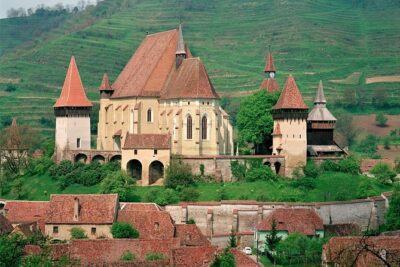
3-Day Private Tour of Medieval Transylvania from Bucharest
Read our review →
3 Days Private Tour in Romania from Bucharest with Tour Guide
Read our review →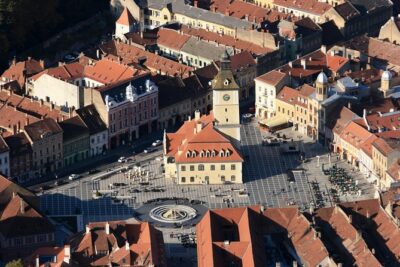
Medieval Transylvania: Shared 3-Day Tour from Bucharest
Read our review →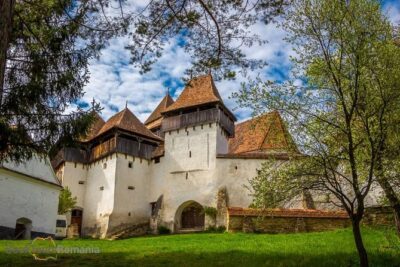
3-Day Tour from Bucharest: Transylvania Villages and Medieval Towns
Read our review →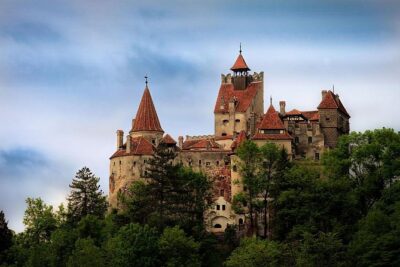
Browse the lists this tour appears in