
Reviewed · COMMUNIST HISTORY TOURS
Private Walking Tour of Communist Bucharest
Bucharest’s communist story is written in huge spaces, forced demolitions, bullet-marked memories, and one astonishing building. This seven-hour private tour links those pieces together, from the 1989 Revolution sites to Ceausescu’s former home and the enormous Palace of Parliament.
I like the private format, since you can ask direct questions and adjust the pace. I also like the mix of political sites, royal-era architecture, music, and churches that survived demolition. The main drawback is cost: at $92.19 per person, it makes best sense for a small group that values a dedicated guide.
- University Square and Revolution Square: See two key places connected with the violent events of December 1989.
- Ceausescu’s mansion: Enter the former home of Romania’s communist dictator.
- Palace of Parliament: Explore Bucharest’s most famous communist-era building, with admission paid separately.
- Two relocated churches: Visit Antim Monastery and Mihai Voda Monastery, both saved from demolition.
- A flexible private day: Combine walking with private transport and shape parts of the visit around your interests.
Why Communist Bucharest Is Best Seen With Context
A quick look at Bucharest’s giant government buildings can leave you with more questions than answers. Why was so much of the old city cleared? Why does the Palace of Parliament consume an entire district? What happened during the revolution that ended Nicolae Ceausescu’s rule?
This tour gives those questions a proper place in the day. Your guide has academic training in political science and tourism, and the route focuses on the people, decisions, and political changes behind the stone and concrete. Guides Laura and Diana are named in the booking information, so you may be accompanied by one of them, though the assigned guide can vary.
The private setup matters here. Communist history can be personal and politically sensitive, and you can pause to ask about details that interest you rather than follow a fixed group script. If your main goal is architecture, you can give more attention to buildings. If you are more interested in the 1989 uprising, you can use the central stops to ask for more explanation.
The day begins at 8:30 am and lasts about seven hours. That is enough time to cover a broad section of Bucharest without turning the tour into a rushed checklist, though the schedule still includes several stops. You should expect a mix of walking, sightseeing from a private vehicle, and time inside selected buildings.
University Square and the December 1989 Revolution
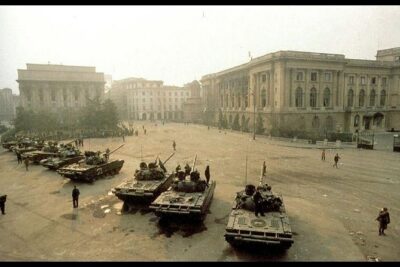
University Square is the first major stop, with about 30 minutes set aside. Along with Revolution Square, it recalls the violent events that brought down communism in Romania in December 1989.
This is a useful opening because it puts people at the center of the story. The communist era did not end as a quiet government transition. These public spaces became important settings for protest, conflict, and national change.
You receive time to look around without an admission charge. Do not expect a museum visit here. The value comes from your guide explaining what happened in the square and how it connects with the nearby memorial spaces.
Thirty minutes is enough for orientation and questions, but not for a long architectural tour. I would use this first stop to ask for a clear timeline of the revolution. That will make the later references to Ceausescu and the Palace of Parliament easier to follow.
More Walking Tours in Bucharest
- Bucharest: City Highlights Guided Walking Tour
★ 4.9 · 1,482 reviews - Bucharest Highlights Walking Tour
★ 5.0 · 469 reviews - Bucharest: Ghost Stories & Romanian Mythology Walking Tour
★ 4.9 · 287 reviews
Revolution Square, Royal Memory, and Political Power
Revolution Square gives you another 30-minute look at the events of December 1989. It also brings two very different chapters of Romanian history into one urban setting: the royal past and the communist dictatorship.
That contrast is one of the strongest ideas in the tour. Bucharest is not only a communist city, and the square helps you see how older national symbols were pressed into service beside the architecture and political memory of the dictatorship.
This stop is free, and the important work is interpretation rather than admission. Your guide can help separate the visual details from the political meaning, which is especially useful if you know little about Romania before arriving.
The short time here keeps the morning moving. If you want more detail about the revolution, tell your guide early. A private tour gives you a better chance of adjusting the balance than a large scheduled group would.
The Romanian Athenaeum Adds a Different Bucharest
The Romanian Athenaeum offers a sharp change of mood. This 19th-century monument reflects Bucharest’s love of classical music and gives you a glimpse of the city before the communist civic projects reshaped it.
The building is known for its concert hall and a 75-meter fresco. The stop lasts about 30 minutes, but admission is not included, so you should check with the tour provider about the exact entry arrangement and fee before the day begins.
I like this inclusion because it prevents the tour from reducing Bucharest to dictatorship-era buildings. The Athenaeum brings in culture, architecture, and the city’s older identity. You see that the capital had an artistic and royal-era life that did not begin with communism.
Time may be limited if you want a full interior visit. Treat this as a focused architectural stop rather than a concert experience. If you care strongly about the Athenaeum, ask whether the schedule allows extra time or whether the visit is mainly exterior.
Inside Ceausescu’s Former Home
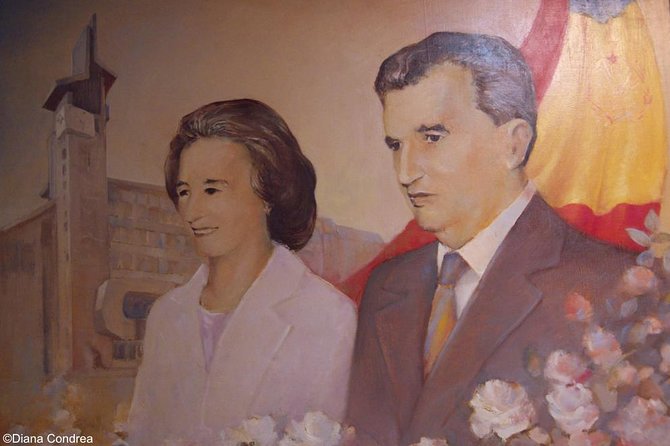
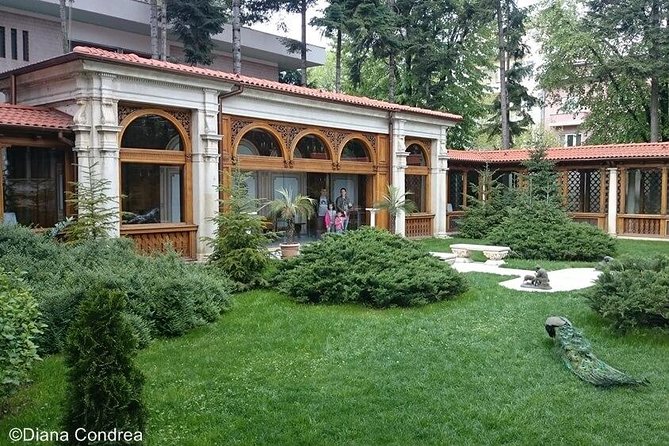
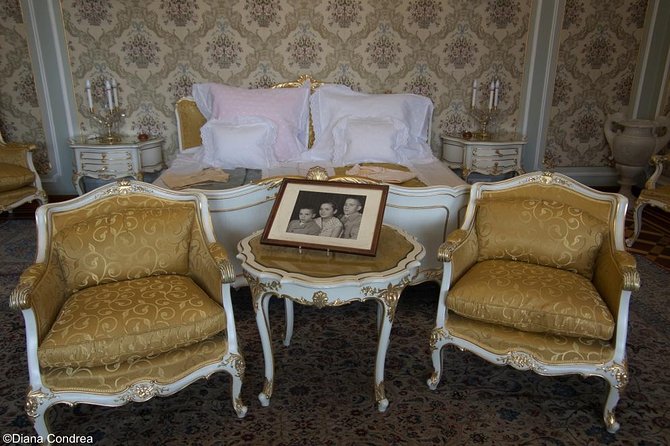
The Ceausescu Mansion gives the political story a domestic setting. Instead of seeing only public monuments, you visit the former residence of Nicolae Ceausescu, the communist dictator who ruled Romania until the revolution.
This is an important change in scale. The Palace of Parliament tells you how the state presented power. The mansion helps you consider how that power was expressed in private life and at home.
The stop lasts about one hour, and admission is listed as free. That hour should give you time to look closely and ask questions rather than simply take a quick exterior photograph.
I would pay attention to the contrast between the building’s private function and the public hardship associated with the communist period. The tour does not promise a full museum program or every room, so your guide’s explanation will shape much of the experience.
Because the subject can be emotionally charged, this is another place where a private guide earns the fee. You can ask direct questions about Ceausescu, his rule, and the end of his government without worrying about holding up a busload of people.
More communist-era history walks in Bucharest:
- The Real tour of Communism
★ 5.0 · 666 reviews - Life under Communism
★ 5.0 · 358 reviews - 3-Hour Guided Tour of Communist Bucharest
★ 4.9 · 303 reviews - Bucharest Essential Tour: Old Town, Calea Victoriei & Communism
★ 5.0 · 142 reviews
The Palace of Parliament and the Price of Monumental Power
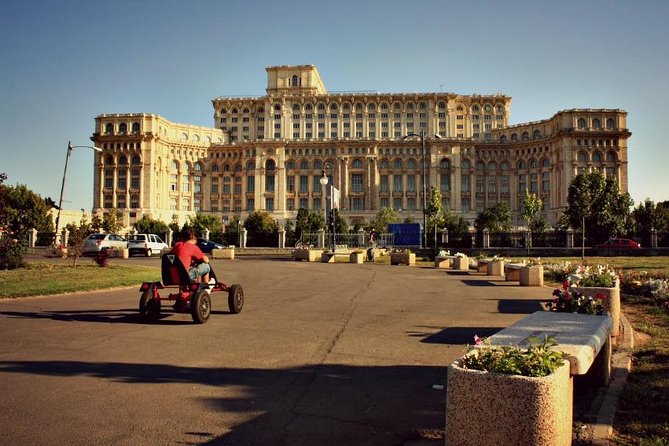
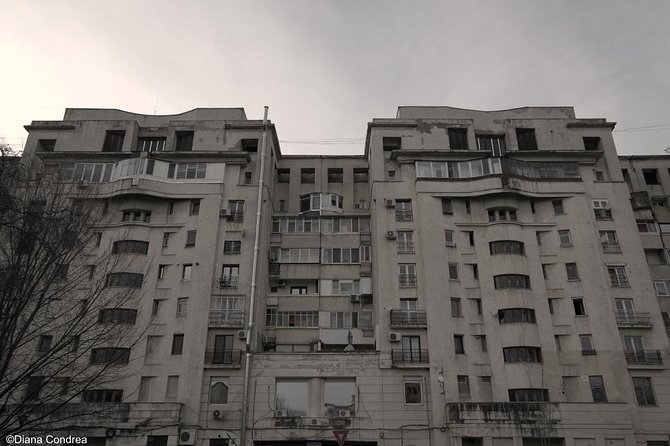
The Palace of Parliament is the tour’s biggest visual stop. Locally called the House of the People, it is the best-known building from Romania’s communist period and the second-largest administrative building in the world.
The numbers are difficult to picture until you are there. The building contains more than 1,000 rooms and uses handmade decoration and expensive materials, including about one million cubic meters of marble and 3.5 tonnes of crystal.
The scale is the point, but it is not the whole story. The building also represents the cost of Ceausescu’s plans for Bucharest. Its size makes political power feel physical. You do not need to admire the design to understand why this is the central stop for anyone trying to grasp the communist city.
You have about 90 minutes here. Admission is not included, and the tour price does not cover all fees and taxes, so budget separately for entry. You should also carry a current valid passport, which is required on the day of the tour.
The Palace is not just a photo stop. The interior visit gives the guide room to discuss the materials, scale, and political purpose of the building. Still, the supplied details do not guarantee access to every room or a particular interior route. Confirm current entry conditions when booking.
This is the point where the $92.19 price can begin to make sense for a small group. Transport, guiding, and several major sites are combined into one day, but you still need to pay certain entry costs and lunch. If you are traveling alone, the per-person price is harder to justify. For two or three people sharing a private experience, the value improves.
Constitution Square and the Communist Civic Center
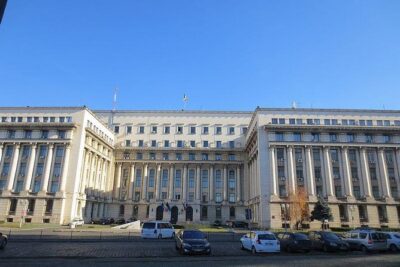
Constitution Square is allotted about 20 minutes. It forms the heart of the communist civic center and helps you understand the urban scale around the Palace of Parliament.
This stop works best when paired with the Palace. Inside the building, you see rooms and materials. Outside, you see how the surrounding space was designed to frame government power and create a grand civic setting.
Twenty minutes is enough to take in the broad view and hear the main explanation. It is not enough for a detailed architectural survey, so use your time to ask how this part of Bucharest changed during the communist rebuilding program.
The square also gives you a break from interiors. You can step back, look at the proportions of the buildings and open space, and connect the separate stops into one larger picture.
Antim Monastery and Mihai Voda Monastery
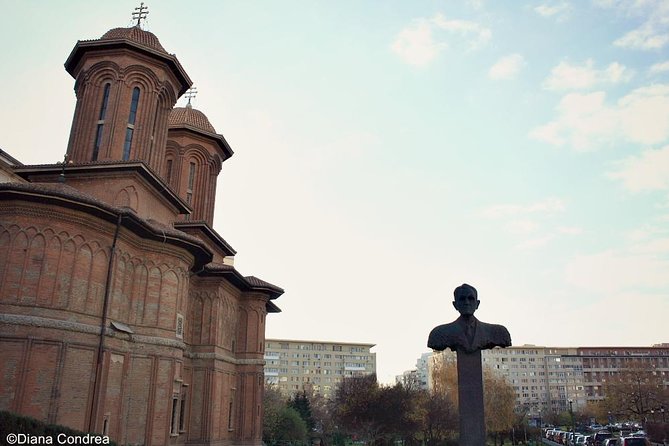
The final church stops show what the communist rebuilding program threatened to erase. Antim Monastery and Mihai Voda Monastery were both saved from demolition after being moved from their original locations.
Each visit lasts about 20 minutes. Both are free, and together they add a human and religious dimension to a tour that otherwise focuses heavily on state power and political monuments.
The practical lesson is simple: preservation did not always mean leaving a building where it stood. In these cases, the churches survived by being relocated. That detail gives you a more precise sense of what urban reconstruction meant on the ground.
The short visits will suit you if you want a brief look and an explanation of the churches’ fate. If you prefer long interior visits or religious art, you may find 20 minutes too brief. The tour’s main subject remains communist Bucharest, not church architecture.
Lunch and the Day’s Practical Rhythm
Lunch takes place midway through the day at a city-center restaurant. Food and drinks are not included, so plan to pay separately.
A central lunch stop is useful because it breaks up a long day of walking and sightseeing. It also gives you a chance to discuss what you have seen before moving on to the Palace and the relocated churches.
The route uses a private vehicle for some sections, rather than relying entirely on walking. That matters in a city tour covering distant points. You still need a moderate level of physical fitness, since the experience includes walking and time on your feet.
Hotel pickup is offered for groups of up to three people. The tour begins in Bucharest and ends back at the meeting point. For larger private groups, confirm the pickup arrangement before booking, since the stated hotel pickup limit is three people.
How Much Flexibility Do You Really Get?
The tour is private, and customization is one of its main benefits. You can express an interest in political history, architecture, the revolution, Ceausescu, or the churches, then use your guide’s time more effectively.
That does not mean every stop can be extended without limit. The route includes eight locations, lunch, transport, and paid attractions within roughly seven hours. A request for extra time at one site may reduce time elsewhere.
The best approach is to decide what matters most before you start. If the Palace of Parliament is your priority, protect its 90-minute block. If the revolution interests you most, ask for fuller context at University Square and Revolution Square. If you want more time inside the Athenaeum or the churches, raise that early.
The guides are described as friendly, professional, and well prepared. Laura and Diana are specifically named, and the strongest praise centers on clear explanations, practical help, and knowing the city well. One especially warm account says the guide refused a tip at the end, which suggests a service style that is attentive rather than pushy. You should still treat the tip as optional and based on your own experience.
Who Will Get the Most From This Tour?
I would choose this tour if you want a guided explanation of communist Bucharest rather than a simple list of landmarks. It suits first-time visitors who want the major political sites connected into one story.
It is also a good fit for:
- Couples or small families who want a private pace
- People interested in the 1989 revolution
- Visitors who want both communist and pre-communist Bucharest
- Small groups willing to share the cost
- Anyone who wants transport between sites without arranging several separate visits
You may want another option if you prefer to explore independently, dislike a fixed seven-hour day, or want to spend most of your time inside museums. The price is also less attractive for a solo visitor, especially since food and some admission fees are extra.
The moderate fitness requirement is worth taking seriously. You will walk through public spaces, visit large buildings, and spend much of the day moving between stops. A current passport is required on the day, so bring it even if you do not expect to cross a border.
Should You Book the Private Walking Tour of Communist Bucharest?
Book it if you want the difficult parts of Bucharest’s past explained by a local guide, with private transport and room to shape the discussion. The route covers the essential communist landmarks, adds the Athenaeum and two relocated churches, and gives you enough time at the Palace of Parliament to make the visit worthwhile.
I would be most likely to book this for two or three people, since the private format makes the $92.19 per-person cost easier to defend. Add money for lunch, the Athenaeum if entry is required, Palace of Parliament admission, and other fees.
If you want a focused, personal introduction to how communism changed Bucharest, this is a strong choice. If your main aim is a cheap walk through the city, the price and seven-hour commitment may be more than you need.
FAQ
How long does the tour last?
The tour lasts approximately seven hours.
What time does the tour start?
The stated start time is 8:30 am.
Is this a private tour?
Yes. Only your group participates in the activity.
Is hotel pickup available?
Hotel pickup is offered for groups of a maximum of three people.
Is lunch included?
No. Food and drinks are not included, although the tour includes a midday break at a city-center restaurant.
Are admission fees included?
No. All fees and taxes are not included. Admission is specifically not included for the Romanian Athenaeum and the Palace of Parliament.
Do I need to bring a passport?
Yes. A current valid passport is required on the day of the tour.
Newest Bucharest trips on the site
- Winery touring & private wine tasting – one day private tour★ 5.0 · 3 reviews
- Bucharest: Dealu Mare Winery Private Trip with Wine Tasting★ 4.9 · 6 reviews
- Village Museum Bucharest Guided Tour★ 5.0 · 6 reviews
- Private Transfer from Giurgiu Port to Bucharest★ 4.5 · 12 reviews
- Airport Henri Coanda (Otopeni) to Bucharest – Private Transfer – Driver★ 5.0 · 5 reviews
- Salt Mine Tour from Bucharest with Entrance Ticket★ 4.5 · 19 reviews
- Wine tasting in Bucharest Old town – bonus cheese platter★ 4.5 · 6 reviews
- Walking tour of Bucharest★ 5.0 · 3 reviews
Communist History Tours, compared.
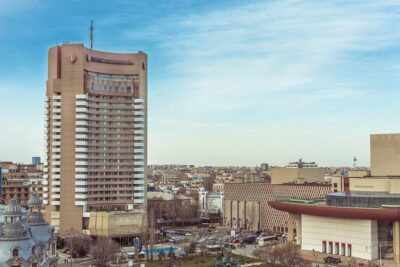
Bucharest Essential Tour: Old Town, Calea Victoriei & Communism
Read our review →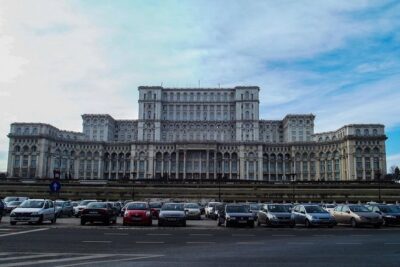
Communism in Bucharest – Landmarks, Museum & Communist Appetizers
Read our review →
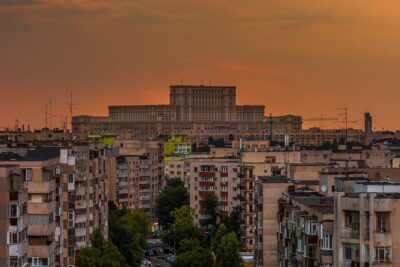

Museum of Communism Ticket with Communist Coffee
Read our review →Browse the lists this tour appears in