
Reviewed · COMMUNIST HISTORY TOURS
Bucharest: Entry ticket at the Museum of Communism
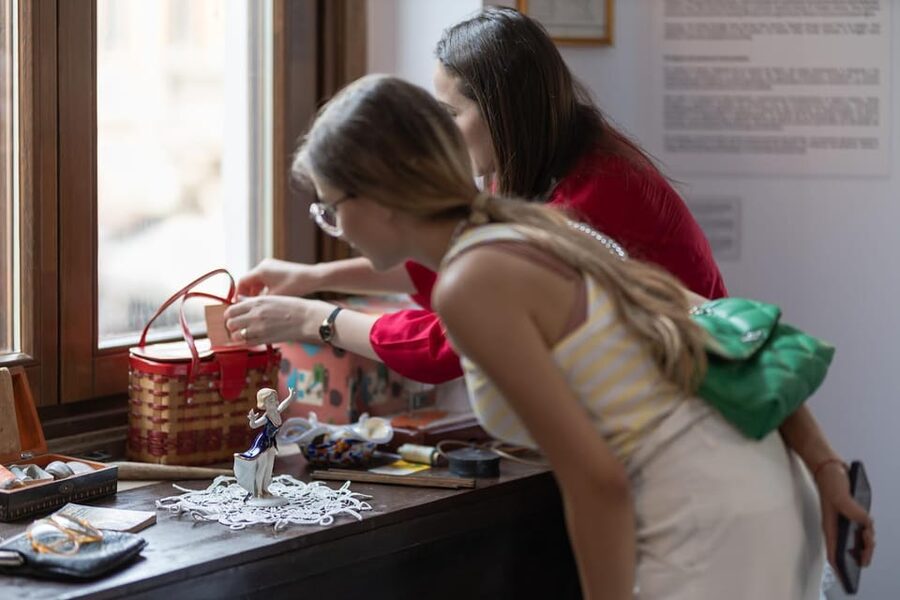
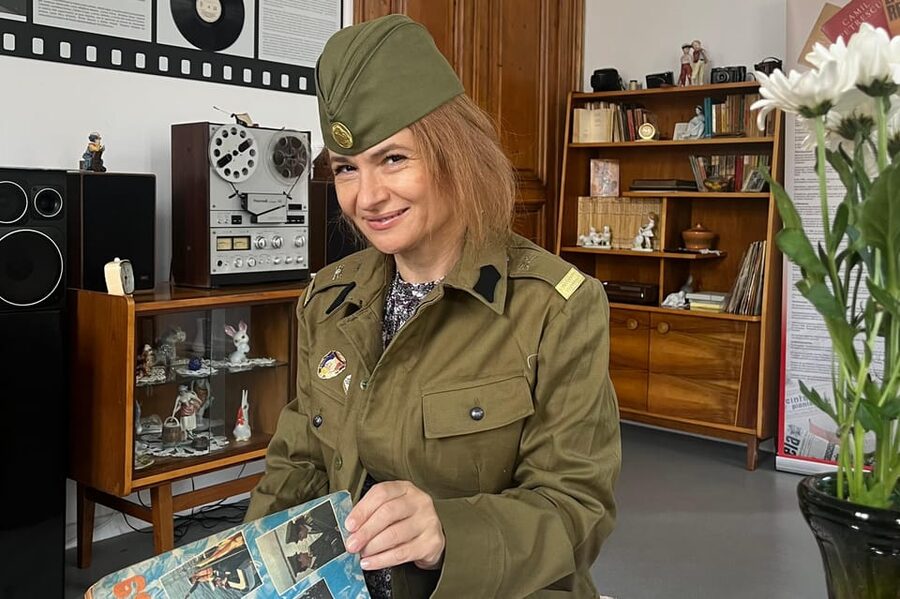
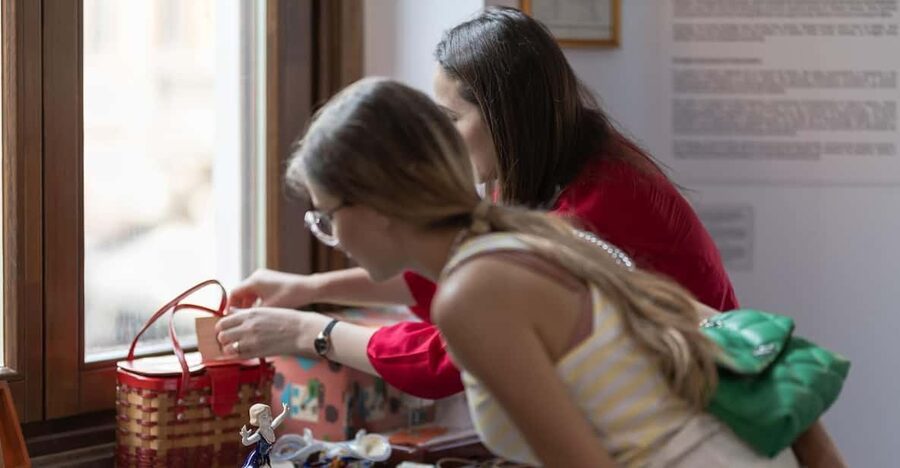
Bucharest’s Museum of Communism puts you close to the past in a way a standard display case cannot. You can try on clothes, handle selected objects, and read old books, while photographs and recreated settings explain how people lived through Romania’s communist decades. I like the hands-on approach, and I like the freedom to explore without being tied to a fixed group schedule.
I also appreciate the café downstairs, where a specialty coffee or Romanian drink gives you a natural pause after the exhibits. The main drawback is size: this is a small museum, and you may finish sooner than expected if you want a large collection or a long formal tour.
Key points to know before you go
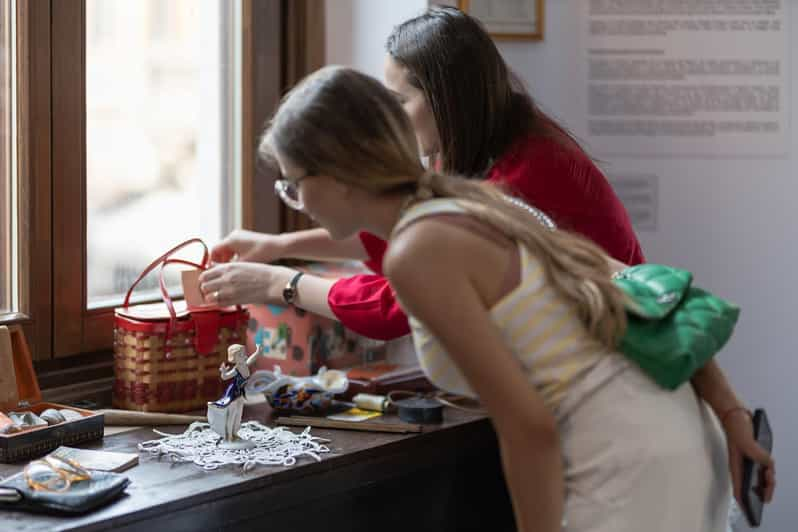
- Interactive exhibits: Try on clothing, handle objects, read old books, and take photographs.
- Old Town location: The museum is easy to combine with a walk through central Bucharest.
- Guide available: A guide is present to answer questions, but a guided tour is not included.
- Period atmosphere: Displays cover political history and the details of daily life under communism.
- Café downstairs: Buy specialty coffee, soft drinks, traditional alcoholic drinks, or the museum’s house beer.
- Good value at $9: The price is modest, though the museum’s small size may matter to you.
A hands-on introduction to communist Romania
The Museum of Communism is designed less like a grand national institution and more like a focused experience in Bucharest’s Old Town. That scale is important. You are not walking through a huge building packed with hundreds of rooms. Instead, you move through a compact collection built around objects, images, and interactive moments.
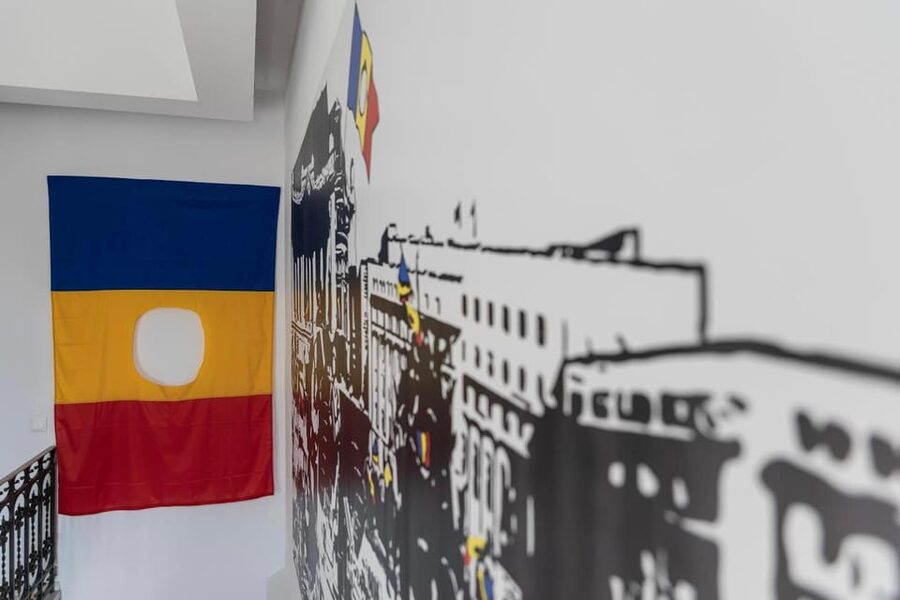
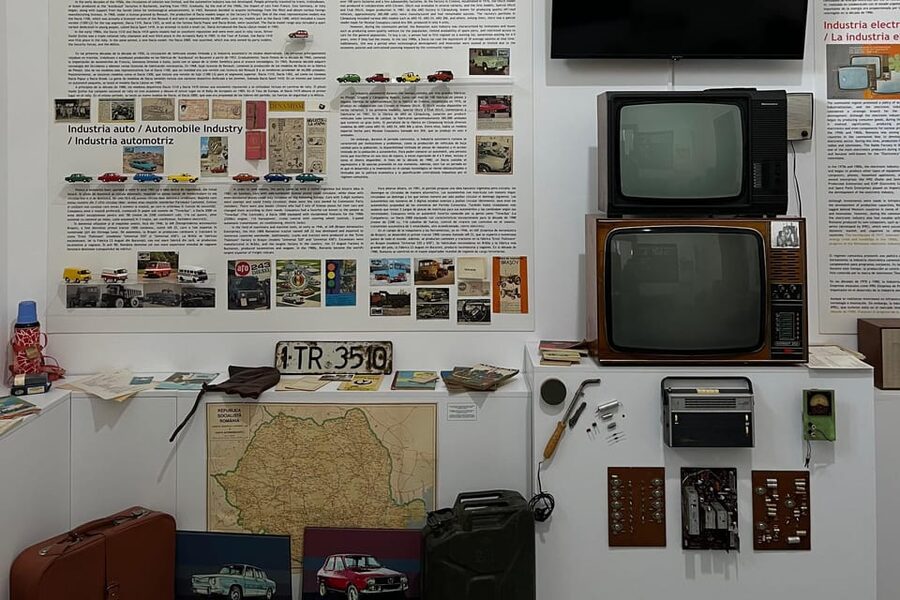
The subject is Romania under communism, with attention to the political period and to ordinary life. Historical landmarks and photographs help set the scene, while period objects give the story a more personal feel. You might read an old book, inspect household items, or put on clothing from the era. Those small actions help you picture the period instead of simply reading dates on a wall.
I find that useful because communist history can become too abstract. Political names and official slogans tell only part of the story. Clothing, books, food-related details, and everyday objects show how the period felt at home and in public. The museum aims to cover both sides: the official history and the texture of daily life.
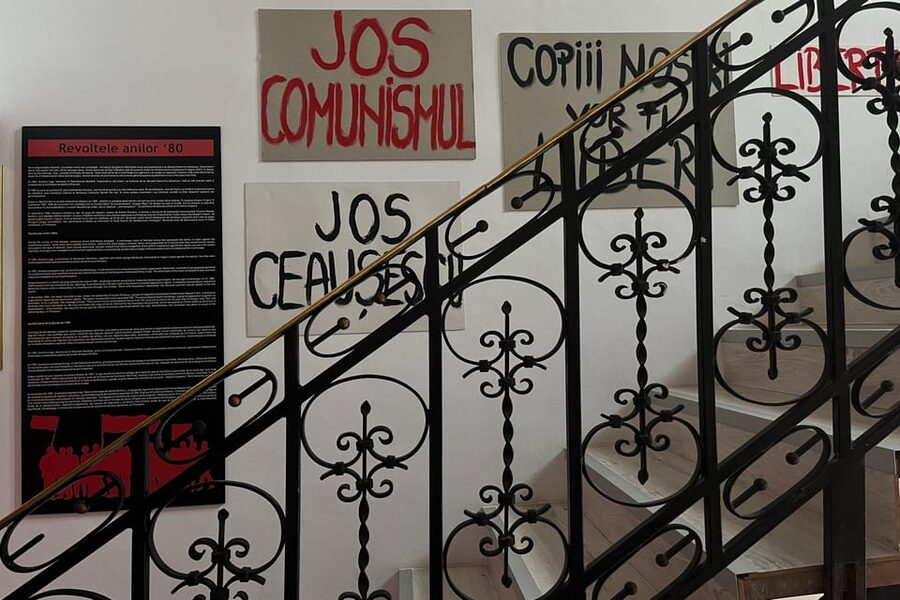
The displays lead through the decades of communist Romania, including the era associated with Nicolae Ceaușescu. The material reaches from the early part of the communist period through the end of Ceaușescu’s rule. You should expect an introduction to the broad timeline rather than a university-level history course.
More communist-era history walks in Bucharest:
- The Real tour of Communism
★ 5.0 · 666 reviews - Life under Communism
★ 5.0 · 358 reviews - 3-Hour Guided Tour of Communist Bucharest
★ 4.9 · 303 reviews
What you do inside the museum
Your visit begins when you enter and show your online ticket at the bar. That detail may seem unusual, but it also gives you an immediate sense of the museum’s informal setup. There is no separate grand entrance process described for the experience. You check in at the bar, then begin exploring.
The exhibits are made for personal discovery. You can look closely at period objects, read old books, and try on clothing. Photography is allowed in the interactive areas, which makes the visit more active than a simple walk past glass cases. If you enjoy museums where you can do something with the material, this is one of the strongest reasons to choose it.
The objects matter because they connect major events to daily routines. A photograph can show a public moment, but an old book or item of clothing gives you a better feel for the people living through that time. The museum also presents objects and settings meant to help you understand the period through more than sight. The experience refers to the flavors of the era, and the café downstairs continues that idea with period-related drinks and a house beer label.
You are free to move at your own pace. That works well if you prefer to stop for photographs or spend extra time on a particular display. It also means you need to take responsibility for asking questions. There is a guide present who can provide additional information about the political system and daily life, but the ticket does not include a formal guided tour.
The guide is there, but the tour is not included
This distinction is worth noting before you book. You receive entry to the museum, with a guide available for questions. You do not receive a scheduled guided tour as part of the $9 price.
I see that as a benefit if you like independent museum visits. You can first look around, then ask about the parts that interest you. If a photograph raises a question or you want more detail about life under the regime, the guide can add context. You are not forced to follow a set talk from beginning to end.
If you want a detailed, structured explanation of every display, adjust your expectations. You should plan to ask questions rather than wait for a long presentation. No guide names are provided, so you should not book this expecting a specific historian or named host.
This format may be especially useful for people who already know the basics of communist Romania. You can focus on details rather than sit through an introductory lecture. It also works for first-time visitors, provided you are willing to pause and ask for help when a display needs more explanation.
Why the interactive details matter
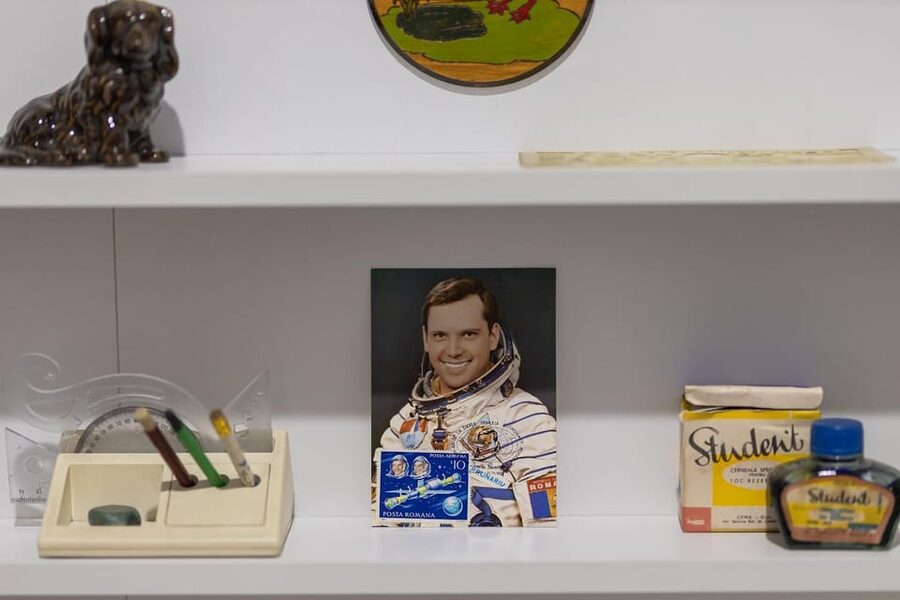
The chance to try on clothing and read old books is more than a novelty. It gives you a physical connection to the period. Museums about recent political history often rely heavily on photographs and documents. Here, you can engage with selected materials in a more direct way.
The interactive setup is also helpful for families and younger visitors, though the activity is not specifically described as a children’s program. A child who might lose interest in a wall of text may pay closer attention when there are objects to examine and clothes to try. Adults can use the same features to think about how public life, personal taste, and household routines change under a political system.
Photography adds another practical benefit. You can take pictures of the interactive displays and period details, giving you something to remember beyond a list of names and dates. Still, use the camera as a tool rather than letting it become the whole visit. The objects are most useful when you stop to think about what they tell you.
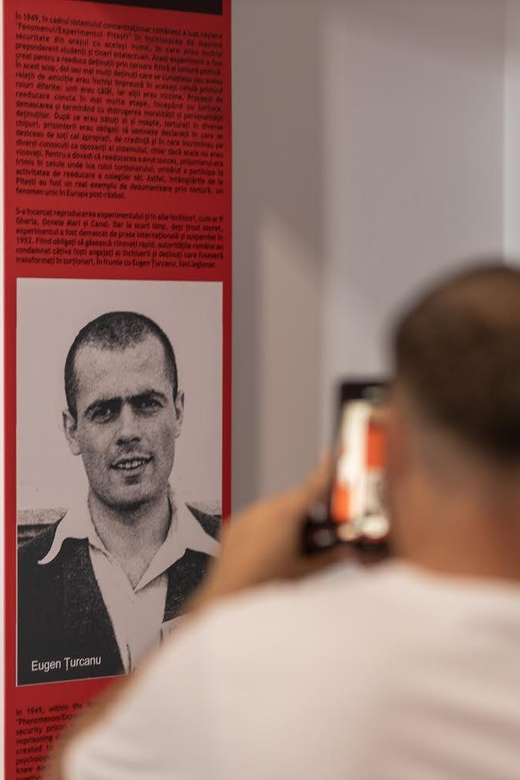
The museum’s stated focus includes both historical landmarks and evocative images of key moments. That combination gives you two scales of history. Public images show the official story and major events. Personal objects offer a closer look at the everyday experience behind that story.
More museums in Bucharest:
- Bucharest: Museum of Senses Entry Ticket
★ 4.2 · 364 reviews - Communism in Bucharest – Landmarks, Museum & Communist Appetizers
★ 5.0 · 111 reviews - Bucharest: Museum of Communism Ticket with Communist Coffee
★ 4.6 · 52 reviews - Bucharest: Dinner+Tour at Museum of Communism after closing
★ 4.9 · 46 reviews
The café downstairs and the taste of the period
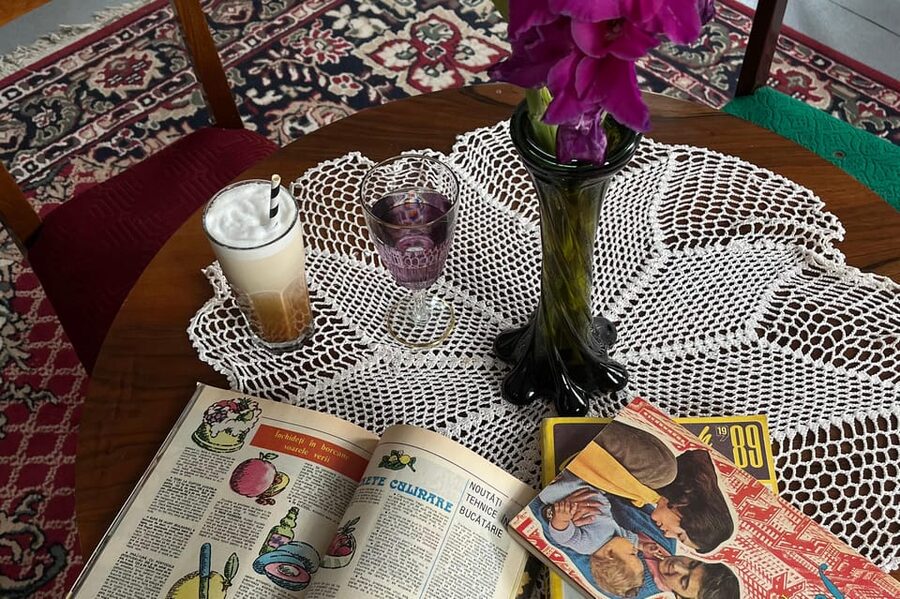
Downstairs, you will find a small coffee shop. You can buy specialty coffee, soft drinks, and traditional alcoholic drinks, including the museum’s house beer with an original label.
Drinks are not included in the admission price, so plan to pay separately. Still, the café adds something useful to the visit. After looking at political history and personal objects, you can sit down and reflect rather than rush straight back onto the Old Town streets.
The drink selection also supports the museum’s effort to present the period through taste as well as sight. The experience refers to tasting flavors associated with those times. You should not expect a full meal or a food tour, but the café gives the museum a social and sensory element.
I would treat the café as an optional extra, not the main reason to book. If you enjoy specialty coffee or want a traditional alcoholic drink in a museum setting, it is a pleasant addition. If you are focused only on the exhibits, you can skip it and keep the visit shorter.
How long to allow for a small museum
The ticket is valid for one day, and availability shows the possible starting times when you book. The experience itself is not described with a fixed number of hours. That makes sense for a self-guided museum, since your timing depends on how closely you read, how many photographs you take, and how many questions you ask.
The compact size is the main timing issue. You may be finished fairly quickly if you move at a brisk pace. A careful visit with questions, photographs, and a drink downstairs will take longer than a quick look, but you should not plan a full day around the museum alone.
I would place it between other Old Town activities. Visit when you are already in central Bucharest, then continue with your walk, meal, or other sightseeing. That approach gives you good value without expecting the museum to fill an entire afternoon.
One visitor described the museum as very small, while another found the collection too limited for the many decades covered by Romanian communism. That is a fair caution. The period lasted a long time, and no small museum can show every political event, social change, or personal experience. Go for a focused introduction and hands-on details, not for an exhaustive archive.
Is $9 a fair price?
At $9 per person, the admission is reasonably priced for a central Bucharest activity, especially if you value the interactive features and the freedom to explore independently. The price includes museum entry and access to a guide for questions.
The value depends on your expectations. If you want a traditional museum with a large collection, many rooms, and extensive written material, the small scale may leave you wanting more. If you want a compact introduction that you can fit into a day of Old Town sightseeing, the price is easier to justify.
The café helps round out the experience but does not change the admission value because drinks cost extra. You should budget separately if you want coffee, a soft drink, or the house beer.
I would also factor in the practical flexibility. You can reserve now and pay later, and cancellation is free up to 24 hours before the activity for a full refund. That is useful when your Bucharest plans are still shifting, though the museum’s available starting times should still guide your schedule.
Who will enjoy this Bucharest stop
I would recommend the museum to you if you want a direct look at Romanian communism without committing to a long formal tour. It suits independent visitors who like to read, touch selected exhibits, take photographs, and ask questions as they go.
It is also a good choice if you are curious about ordinary life rather than political history alone. The clothing, books, objects, photographs, and references to period flavors bring the subject closer to daily routines.
History students and visitors with a strong interest in Romania may find the museum too limited as a complete study of the period. You can still use it as a starting point, especially if you ask the guide for more information. Just do not expect the displays to answer every question about Ceaușescu’s rule or the wider communist system.
The museum is not suitable for wheelchair users, so accessibility should be part of your decision before booking. The information provided does not give further accessibility details.
Practical tips for a better visit
Show your online ticket at the bar when you arrive. Since the bar is also connected with the downstairs café, do not assume the entrance will look like a conventional museum reception desk.
Give yourself time to interact with the exhibits. The clothing, old books, and period objects are central to the experience, not side decorations. If you simply walk past them, you will miss much of what makes this museum different.
Ask the guide questions. The guide is available to explain the political regime and daily life, and your own questions can make the visit more useful than a quick self-guided pass.
Consider buying a drink only after you have seen the displays. That lets you decide if you want to stay for coffee or a traditional alcoholic drink rather than building the café into your schedule from the start.
Finally, combine the museum with other sights in Bucharest’s Old Town. Its central location makes it a practical short stop, and the one-day validity gives you flexibility around the time shown during booking.
Should you book the Museum of Communism?
Book it if you want a compact, interactive look at communist Romania and like to explore at your own speed. At $9, the price is sensible for an Old Town stop that includes period objects, clothing, books, photographs, and a guide available for questions.
Skip it if you are looking for a large museum with a vast collection or a full guided lecture. The limited size is the clearest weakness, especially for a subject that covers many decades.
For most visitors interested in Romania’s recent past, I would treat this as a focused introduction rather than the final word. Pair it with your own reading, ask the guide questions, and leave time for the café if the informal setting appeals to you.
FAQ
Where is the Museum of Communism in Bucharest?
The museum is located in Bucharest’s Old Town, in the Bucharest-Ilfov area of Romania.
How much does admission cost?
Admission costs $9 per person.
Is a guided tour included?
No. Museum entry is included, and a guide is available to answer questions, but a guided tour is not included.
Can I interact with the exhibits?
Yes. You can try on clothing, read old books, handle selected period objects, and take photographs.
Can I buy food or drinks at the museum?
The museum has a small café downstairs. You can buy specialty coffee, soft drinks, and traditional alcoholic drinks, including the house beer. Drinks cost extra.
Is the museum wheelchair accessible?
The activity is not suitable for wheelchair users.
Newest Bucharest trips on the site
- Winery touring & private wine tasting – one day private tour★ 5.0 · 3 reviews
- Bucharest: Dealu Mare Winery Private Trip with Wine Tasting★ 4.9 · 6 reviews
- Village Museum Bucharest Guided Tour★ 5.0 · 6 reviews
- Private Transfer from Giurgiu Port to Bucharest★ 4.5 · 12 reviews
- Airport Henri Coanda (Otopeni) to Bucharest – Private Transfer – Driver★ 5.0 · 5 reviews
- Salt Mine Tour from Bucharest with Entrance Ticket★ 4.5 · 19 reviews
- Wine tasting in Bucharest Old town – bonus cheese platter★ 4.5 · 6 reviews
- Walking tour of Bucharest★ 5.0 · 3 reviews
Communist History Tours, compared.


Bucharest Essential Tour: Old Town, Calea Victoriei & Communism
Read our review →
Communism in Bucharest – Landmarks, Museum & Communist Appetizers
Read our review →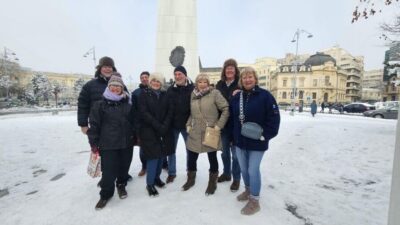


Museum of Communism Ticket with Communist Coffee
Read our review →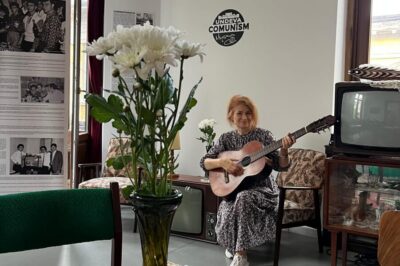
Dinner+Tour at Museum of Communism after closing
Read our review →Browse the lists this tour appears in