
Reviewed · COMMUNIST HISTORY TOURS
Bucharest: Communist Tour including Ceausescu Residence
The most revealing part of this Bucharest tour is not the grand Palace of the Parliament. It is the contrast between Ceausescu’s enormous public projects and the plain working-class neighborhoods built for ordinary Romanians. You see both sides of the system in one day, with time for metro stations, city landmarks, and the dictator’s private home.
I like the tour’s clear historical arc and the fact that you move around by private car, minibus, or coach instead of trying to connect these scattered places yourself. I also like the named guides who have led it, including Claudia, George, and Marcel. The main caution is price: at $256 per person, this makes the most sense when you value a private guide and included transport, or when you are traveling as a larger group.
Key points before you book
- See two sides of communism: Compare worker housing and public infrastructure with the lavish Spring Palace.
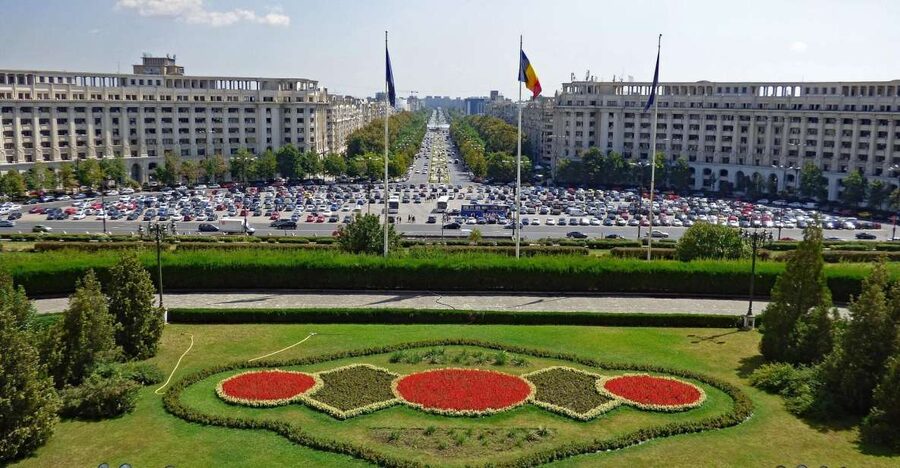
- Visit the Palace of the Parliament: Learn how it fitted into Ceausescu’s Project Bucharest.
- Ride through the city’s communist story: Metro stations, major squares, the North Railway area, and other stops may form part of the route.
- Expect strong guiding: Claudia has been singled out for clear English and excellent knowledge of Bucharest and the Ceausescu period.
- Plan for a full seven hours: This is a city-wide history tour, not a quick palace visit.
- Check access details: Spring Palace opens Wednesday through Sunday, and the tour is not suitable for wheelchair users or people with mobility impairments.
Why this tour works as a Bucharest history lesson
Bucharest’s communist past is spread across the city. A single museum cannot show you how the period shaped transport, housing, government buildings, and domestic life. This tour links those pieces together in a practical way.
You begin with infrastructure, visiting metro stations built during the communist period. Then you see a neighborhood created for the working class. After that, the scale shifts dramatically at the Palace of the Parliament, followed by the Spring Palace, where the Ceausescu family lived.
That order matters. It moves from public works to everyday housing, then to political power and private privilege. You are not simply ticking off four sights. You are comparing the way the state presented itself with the way people lived.
The tour lasts seven hours, so you get more context than you would from separate entrance visits. Your guide can explain how the places connect, and the car or minibus keeps the day manageable. Bucharest is spread out, and walking between these sites would waste much of your time.
The experience is a private group tour, although one booking had 26 people and another set of trip information refers to shared trips. Ask when booking how your party will be handled. Larger groups may receive a special discount, which can improve the value considerably.
More communist-era history walks in Bucharest:
- The Real tour of Communism
★ 5.0 · 666 reviews - Life under Communism
★ 5.0 · 358 reviews - 3-Hour Guided Tour of Communist Bucharest
★ 4.9 · 303 reviews
Communist metro stations and the city below
The first stop is a couple of metro stations built during the communist era. These may not sound as exciting as a palace, but they are useful introductions to the period. You see the government’s ambitions in a public setting, where transport had to serve the growing capital.
Your guide gives the stations meaning rather than leaving you to inspect them without context. Pay attention to the design and scale, and ask how these projects fitted into Bucharest’s wider rebuilding plans. The metro stops are part of the city people used every day, which makes them a good counterpoint to the grand political buildings later in the tour.
One review describes riding an old metro connected with Ceausescu’s building program. That detail gives the stop extra appeal for anyone who likes urban history, engineering, or the less polished side of a capital city.
Do not expect the metro portion to feel like a separate museum visit. Its value is in the explanation and in seeing communist-era infrastructure in use or in the city’s fabric. If you prefer only famous landmarks, this section may feel modest. If you want to understand how the period affected daily movement, it earns its place.
A working-class neighborhood built under Ceausescu
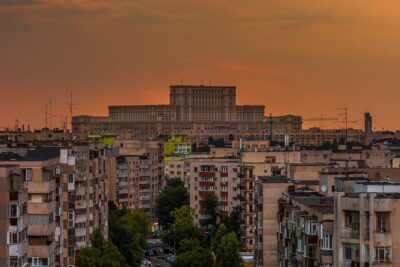
The next stage takes you to a neighborhood built especially for the working class. This is one of the tour’s most valuable stops because it shifts attention away from monuments and toward ordinary homes.
The neighborhood helps you picture daily life under the system. You are not only hearing about policy or political slogans. You are looking at the type of housing provided for workers and seeing how a large planned district fits into Bucharest.
Your guide’s role is especially important here. Apartment blocks can look anonymous if you do not know what to notice. With a guide, you can ask how the neighborhood was intended to function, who lived there, and how it relates to the grand rebuilding of the capital.
The stop also keeps the tour balanced. Ceausescu’s name is closely tied to huge construction projects, but those projects affected people at street level. A working-class district gives you that view.
The exact neighborhood route can vary, so do not expect a formal interior visit unless it is specifically confirmed. This is primarily an exterior and city-based part of the experience. Wear comfortable shoes, since the day involves getting in and out of the vehicle and walking around several sites.
The Palace of the Parliament and Project Bucharest
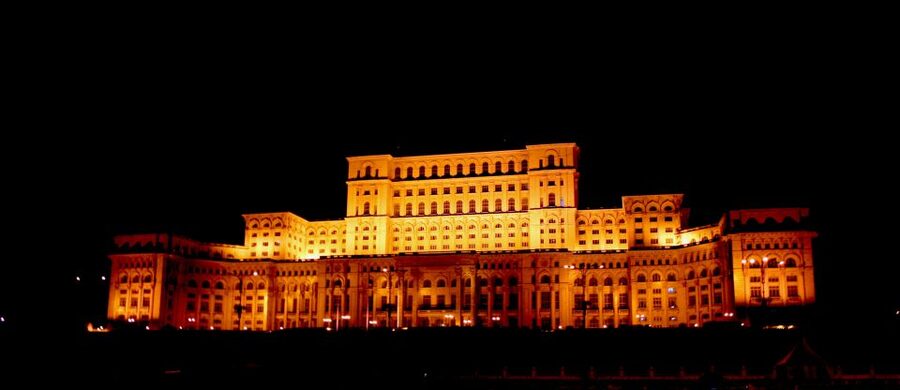
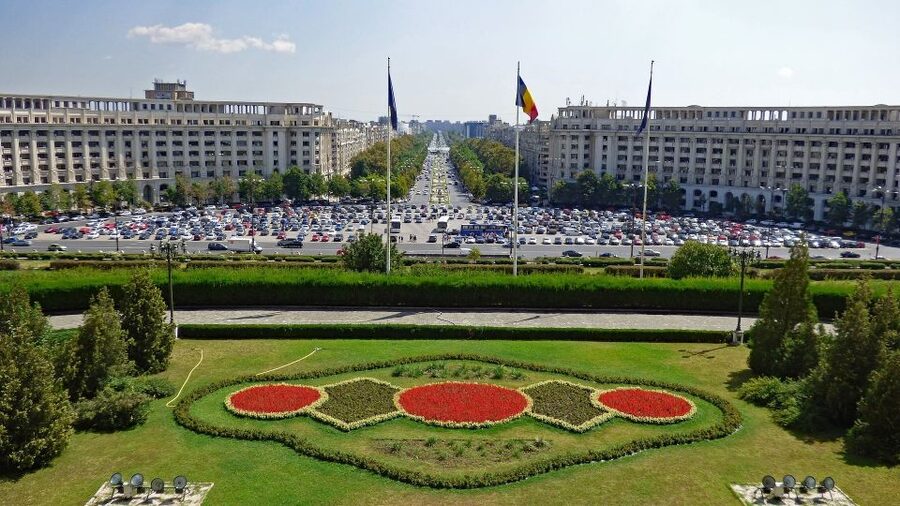
The Palace of the Parliament is the tour’s largest set piece. The building was completed in 1997 and formed part of Ceausescu’s plan to rebuild Bucharest, known as Project Bucharest.
The guide explains the story behind the building rather than treating it as a photo stop. Its size and political meaning become clearer when you have already seen the metro and worker housing. The building represents the top-down scale of the rebuilding project, while the earlier stops show how the city functioned below that level.
Inside, you receive the benefit of the palace’s own destination guides as well as your tour guide. A visit described on the route included a wait of more than an hour despite a fixed entry time. That is worth taking seriously. Palace access can involve delays, and a seven-hour schedule may not run exactly to the minute.
Photography inside the Palace of the Parliament requires an extra fee, which is not included. If you want photos, carry some money for that additional charge and ask your guide about the current rules.
Access can also change. During a past period when the Romanian Presidency held work at the Council of the European Union in the building, entry could not be guaranteed. The stated arrangement was to replace the visit with another attraction or offer a refund if the palace could not be visited. Because that information relates to a specific past period, confirm current access when you book.
The palace is worth including even if you are more interested in people than architecture. It gives the tour a clear center of gravity and helps explain why Bucharest’s communist past remains so visible in the city’s built environment.
A few more Bucharest trips worth a look
- Bucharest: Palace of Parliament Tickets and Guide
★ 4.3 · 3,182 reviews - Bucharest: Palace of Parliament Tickets and Guided Tour
★ 4.4 · 1,877 reviews - Bucharest: Parliament Palace Skip-the-line Ticket
★ 4.2 · 1,518 reviews - Bucharest: City Highlights Guided Walking Tour
★ 4.9 · 1,482 reviews
Spring Palace, the Ceausescu family residence
The final major destination is Spring Palace, also called Palatul Primaverii. This was the residential palace of the Ceausescu family, and it provides the sharpest contrast with the working-class neighborhood earlier in the day.
Here, you shift from public building projects to private domestic life. The visit gives you a look at where the famous ruling couple lived, making the political story more personal. The contrast between the public image of a workers’ state and the private residence is the reason this stop works so well at the end.
Spring Palace is open for visits Wednesday through Sunday, from 10:00 in the morning to 6:00 in the evening. That schedule matters when you choose your tour day. If you are in Bucharest early in the week, especially on Monday or Tuesday, confirm that the residence can be included before paying.
One past booking specifically expected access to a bunker at the mansion but did not receive it. Treat that as a warning to confirm exactly what is included. The supplied tour information promises entry to Ceausescu House, but it does not promise a bunker visit. If that feature is important to you, ask in writing before booking.
The residence also has its own destination guides, adding another layer of explanation. Your tour guide handles the broader city story, while the site guide can provide information inside the house.
Other Bucharest stops that may appear
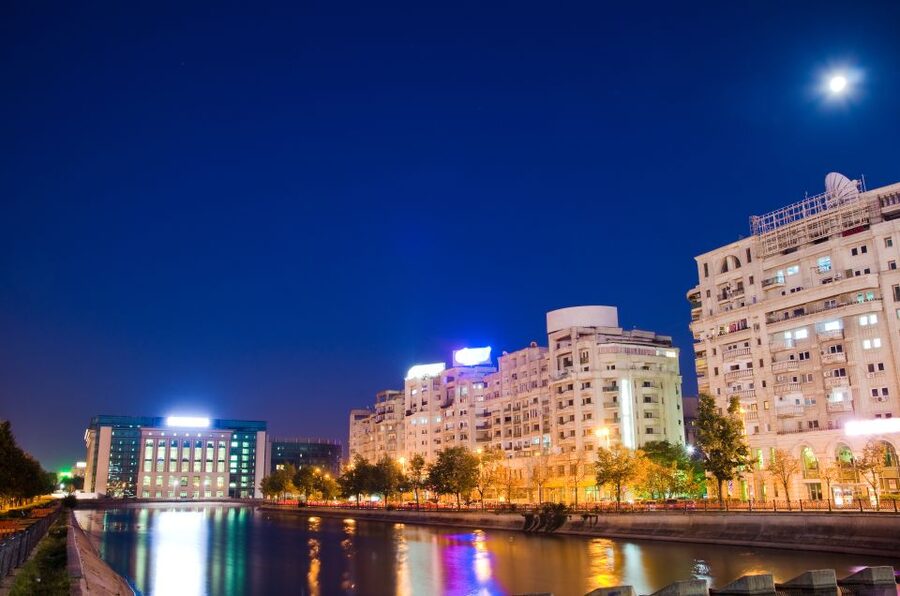
The main description focuses on metro stations, the worker neighborhood, the Palace of the Parliament, and Spring Palace. The route has also included several additional city stops, depending on the day and conditions.
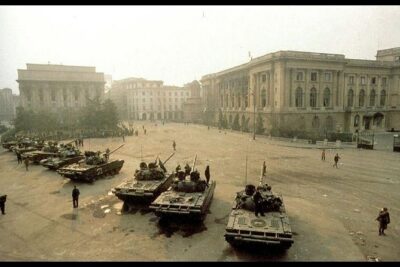
These have included Revolution Square, the Roma flower market, North Railway Station, an exterior view of a synagogue, and a nature reserve on the edge of Bucharest. One account also described seeing the reserve from a high-rise because weather prevented a closer look.
This is useful to know because the tour can feel broader than a simple four-stop palace route. You may see parts of Bucharest that you would not normally reach on a first visit. At the same time, do not treat every extra stop as guaranteed. Weather, access, traffic, and the needs of the group can affect the day.
The mix of places is a strength if you want a general introduction to the capital’s communist-era geography. It is less ideal if you want every minute devoted to the interiors of the two main palaces.
Guides and the quality of the explanation
The strongest praise goes to the guides. Claudia has been specifically noted for her clear English and strong command of Bucharest and the Ceausescu period. Another booking described Marcel as an excellent guide, while George was praised for being pleasant and helpful even when an expected feature was not delivered.
That pattern tells you what to look for in this tour: the guide is the part that turns a drive around Bucharest into a connected history lesson. A good guide can explain why a metro station matters, make a housing district easier to read, and place the Palace of the Parliament within Project Bucharest.
English is the standard language. Spanish, French, and German guides may be available on request, but confirm this before booking rather than assuming it is automatic.
The tour is listed as private, yet the report of a 26-person group means you should clarify the format. A small private group gives you more room for questions and makes the day feel personal. A larger party can lower the per-person cost and still work well if the guide is strong, but it may involve more waiting and less flexibility.
Transport, timing, and practical comfort
Hotel pickup from reception starts the day, and transport is provided by a modern car, minibus, or coach. That is a real advantage in Bucharest. The stops are not arranged as a compact walking circuit, and having transport saves energy for the sites themselves.
A shared trip may run up to 30 minutes late, so leave some space around the pickup time. Even on a private booking, the Palace of the Parliament can create delays. The reported wait of more than an hour is a reminder not to schedule a tight dinner reservation or airport transfer immediately afterward.
Bring a passport or ID card. Bring comfortable shoes, too. The tour involves several stops and walking through large public buildings, even though much of the movement is by vehicle.
Lunch is not included. You should plan for that during the seven-hour day, but the information provided does not specify a restaurant or lunch stop. Personal expenses are also your responsibility.
Pets are not allowed. The tour is not suitable for people with mobility impairments or wheelchair users, so contact the provider before booking if stairs, long walks, or vehicle access may be a concern.
Is $256 per person a fair price?
At $256 per person, this is not a budget sightseeing tour. You are paying for a long private or small-group experience, hotel pickup, a dedicated English-speaking guide, vehicle transport, and entrance fees for the Palace of the Parliament and Ceausescu House.
The value improves if you are traveling with family or friends and can share the cost of a private vehicle. Groups larger than 10 may receive special discounts, so ask about the final rate rather than judging the headline price alone.
The price is harder to justify if you only want to see the two residences and do not care about the metro, working-class housing, or wider city context. You may also feel disappointed if you pay for a private experience but end up in a large group. Confirm the group size and whether all planned stops are included.
For history-focused visitors, the seven-hour format offers more than separate admission tickets would. The transport and guiding reduce the work of arranging a complicated route. I would consider it good value for a first visit, especially if you have limited time and want the communist story explained in one day.
Who should book this experience?
I would recommend it to you if you want to understand Bucharest through its communist-era buildings rather than only see the old center. It suits anyone interested in political history, urban planning, architecture, public transport, or the contrast between official ideals and private privilege.
It is also a good choice for a larger family or friend group. One group of 26 completed the route and found the guides at the main attractions useful. Just clarify whether your booking will be private or shared.
I would hesitate if you want a relaxed day with little time in a vehicle, a short walking tour, or a guaranteed visit to a specific extra site such as a bunker. I would also avoid booking without checking Spring Palace’s opening days and current Parliament access.
FAQ
How long does the Bucharest Communist Tour last?
The tour lasts seven hours, including the city visits, transport, and entries listed in the experience.
What sights are included?
The route includes communist-era metro stations, a neighborhood built for the working class, the Palace of the Parliament, and Spring Palace, also called Palatul Primaverii, the former Ceausescu family residence.
Is hotel pickup included?
Yes. Pickup begins at your hotel reception, with transport provided by modern car, minibus, or coach.
What language is the tour in?
The standard live guide language is English. Spanish, French, and German guides can be requested.
Are entrance fees included?
Entrance fees for the Palace of the Parliament and Ceausescu House are included. The photography fee at the Palace of the Parliament is not included.
Is lunch included?
No. Lunch and personal expenses are not included.
Can I visit Spring Palace any day?
Spring Palace can be visited Wednesday through Sunday, from 10:00 AM to 6:00 PM. Confirm that your selected tour date fits those opening hours.
What should I bring, and who cannot join?
Bring a passport or ID card and comfortable shoes. Pets are not allowed, and the tour is not suitable for people with mobility impairments or wheelchair users.
Should you book it?
Book this tour if you want a guided explanation of how communism shaped Bucharest, from metro stations and worker housing to Parliament and the Ceausescu family home. The guide quality, especially the clear English and historical explanations associated with Claudia, is a major reason to choose it.
Before paying $256 per person, confirm the group size, Spring Palace access, and whether any extra stop you care about is included. If you do that, this is a strong full-day choice for seeing the public and private sides of Ceausescu’s Bucharest in one well-connected trip.
Newest Bucharest trips on the site
- Winery touring & private wine tasting – one day private tour★ 5.0 · 3 reviews
- Bucharest: Dealu Mare Winery Private Trip with Wine Tasting★ 4.9 · 6 reviews
- Village Museum Bucharest Guided Tour★ 5.0 · 6 reviews
- Private Transfer from Giurgiu Port to Bucharest★ 4.5 · 12 reviews
- Airport Henri Coanda (Otopeni) to Bucharest – Private Transfer – Driver★ 5.0 · 5 reviews
- Salt Mine Tour from Bucharest with Entrance Ticket★ 4.5 · 19 reviews
- Wine tasting in Bucharest Old town – bonus cheese platter★ 4.5 · 6 reviews
- Walking tour of Bucharest★ 5.0 · 3 reviews
Communist History Tours, compared.
Bucharest Essential Tour: Old Town, Calea Victoriei & Communism
Read our review →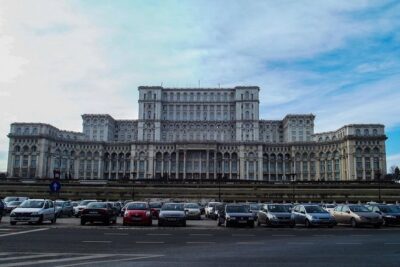
Communism in Bucharest – Landmarks, Museum & Communist Appetizers
Read our review →

Museum of Communism Ticket with Communist Coffee
Read our review →Browse the lists this tour appears in