
Reviewed · COMMUNIST HISTORY TOURS
Bucharest: Private Last Days of Ceausescu Tour in a Dacia
The most unusual way to understand Romania’s 1989 revolution is from the front seat of a classic Dacia, the car that once filled the country’s roads. This private tour follows Nicolae and Elena Ceausescu from Revolution Square through their failed escape, capture, detention, trial, and execution.
I like two things right away: the route connects places that are often taught as separate events, and your guide puts the political drama into human terms. I also like the small-group setup, with no more than three people in a car before a second or third Dacia joins the convoy.
The main drawback is the long road portion. You cover about 180 kilometers in all, and the old car is part of the charm, not a luxury vehicle. The trip is not suitable for children under 10, pregnant women, people with back or heart problems, or people over 70.
Key points to know before booking
- Follow the escape in a Dacia: Trace the route from the Communist Party headquarters to the place where Ceausescu abandoned the helicopter.
- Travel beyond Bucharest: The tour reaches the Targoviste area, where Ceausescu was detained, judged, and executed.
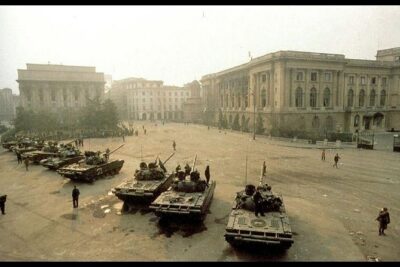
- See Revolution Square first: Begin where the communist regime was challenged and where Ceausescu gave his final public speech.
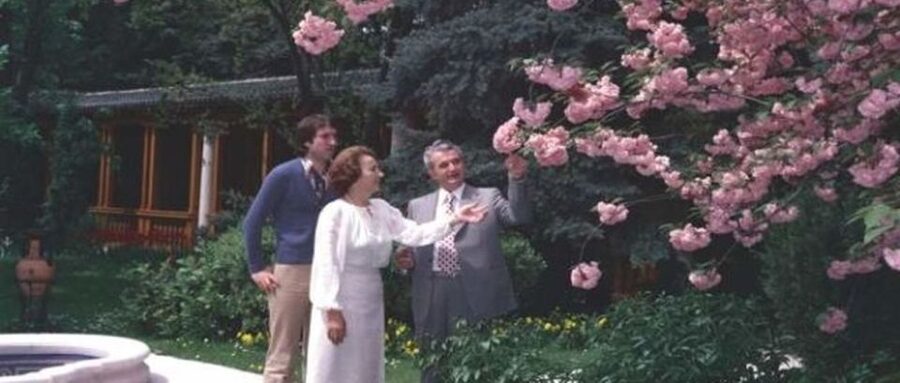
- Visit Primaverii Palace: Tour the private residence where Nicolae and Elena Ceausescu lived from 1965 to 1989.
- Expect a personal guide: Serban is identified as one of the guides, and the experience is conducted in English.
- Plan for a full half-day: Allow roughly six hours, including driving, stops, museum visits, and the return to Bucharest.
Why this Ceausescu tour feels different
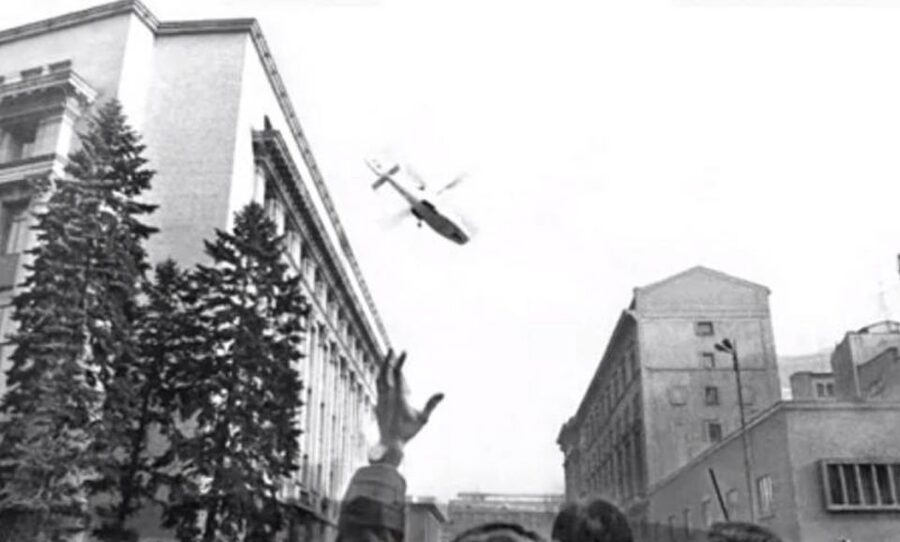
Many Bucharest history tours remain within the city center. This one uses the road itself as part of the story. On December 22, 1989, at 12:07, Ceausescu and Elena left the roof of the Communist Party headquarters by helicopter as crowds surrounded the building and demanded his resignation.
The plan was not simply to flee. Ceausescu hoped to regroup, find support from workers and the army, and recover the power he had held for almost 24 years. The tour follows that frantic attempt, including the moments when the plan began to fall apart.
I find that structure useful because it gives you a clear timeline. You are not just looking at monuments and hearing dates. You move from the center of Bucharest toward the points where the escape changed direction, then return to the capital for a final look at the private life behind the public dictatorship.
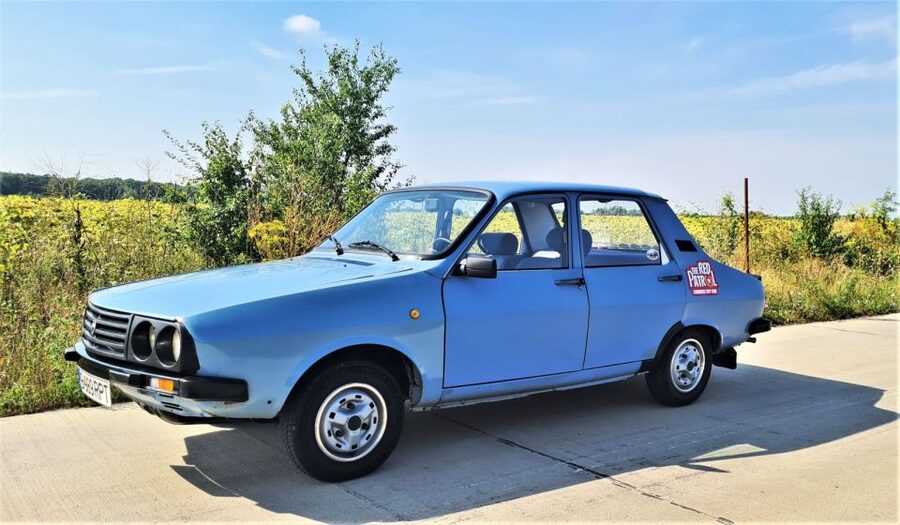
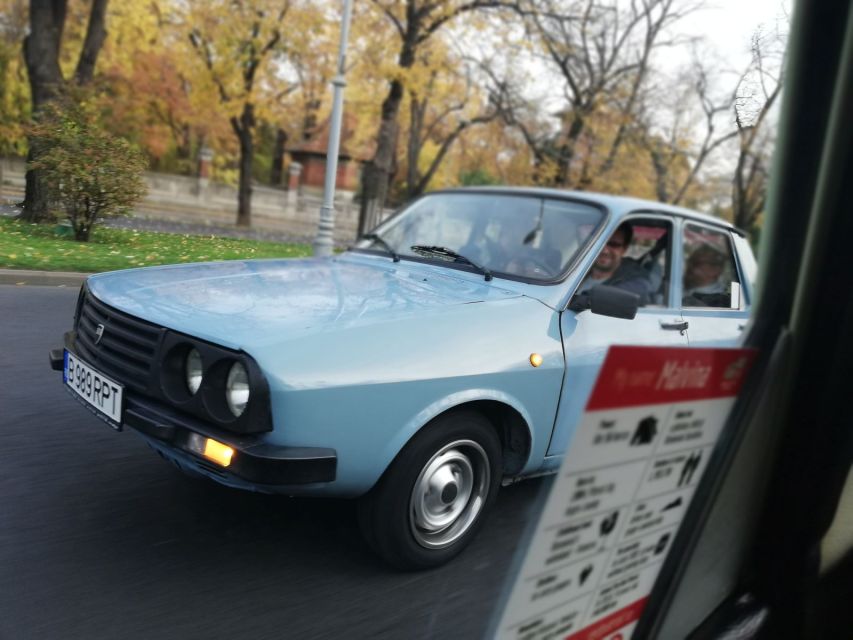
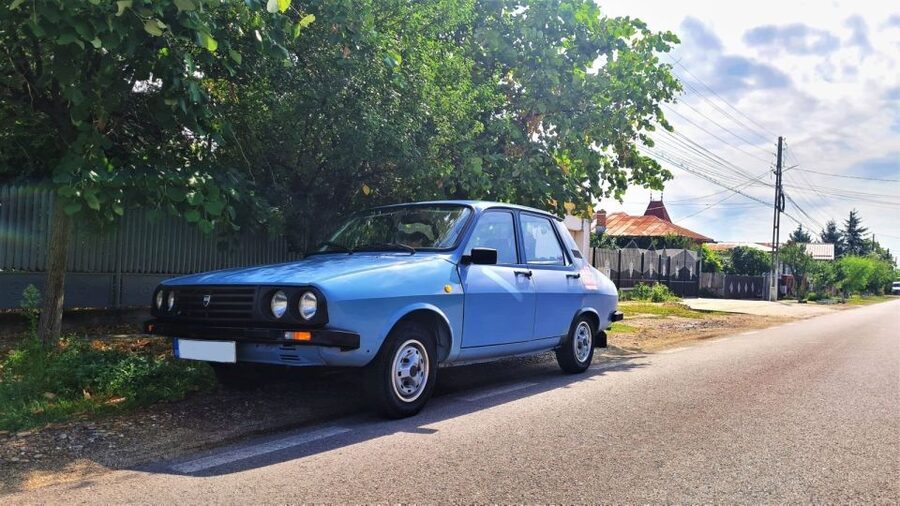
The restored Dacia adds a strong sense of place. It is not a museum object behind glass. You ride in it, stop beside the route, and use it to connect Bucharest with the roads taken during Ceausescu’s final hours. For a country where the Dacia became a familiar part of daily life, the car is more than transport.
More communist-era history walks in Bucharest:
- The Real tour of Communism
★ 5.0 · 666 reviews - Life under Communism
★ 5.0 · 358 reviews - 3-Hour Guided Tour of Communist Bucharest
★ 4.9 · 303 reviews
Starting at Revolution Square
The tour begins with pickup in Bucharest and a guided visit to Revolution Square. Allow about 40 minutes here for photographs, explanation, and orientation.
This is the right starting point. The square is linked with the final public appearance of Ceausescu and the collapse of his authority. On December 22, the crowd that surrounded the Communist Party headquarters made his position impossible to maintain. Soon after, he and Elena escaped by helicopter from the roof.
Your guide can use the square to explain how quickly events moved. Ceausescu had ruled Romania since 1965, yet his hold on power collapsed in a matter of hours. That contrast is one of the most useful ideas in the whole tour: a government can look immovable until the moment it suddenly is not.
I would give this stop your full attention rather than treating it as a quick photo break. The square can look ordinary at first, but the location matters because it is where the public crisis became a direct threat to the president himself.
The helicopter escape and the secret stops
After Revolution Square, the Dacia leaves Bucharest and follows the broad route toward Targoviste. Two less-publicized stops are described as secret stops, one lasting about 15 minutes and another about 10 minutes. Their exact details are not set out in advance, which is part of the tour’s storytelling approach.
The key event is the point where Ceausescu abandoned the helicopter and continued by Dacia. He had already left the party headquarters expecting to find a way back to power. Instead, he was forced into a more improvised escape, moving from the authority of the presidential helicopter to an ordinary car on the road.
I like this section because the change in transport tells the story better than a long political lecture. A helicopter suggests control and command. A borrowed or commandeered car suggests fear, confusion, and a leader who no longer controls the institutions around him.
The guide also explains the attempts to find support at locations connected with workers, the army, and local officials. The provided route specifically includes a steel factory and a militia station. At those places, Ceausescu tried to organize help but was arrested instead.
Because these stops are outside central Bucharest, you should expect road time between them. That is the tradeoff. You spend less time in a polished city-center setting and more time following the actual geography of the escape.
At the Ceausescu Last Hours Museum
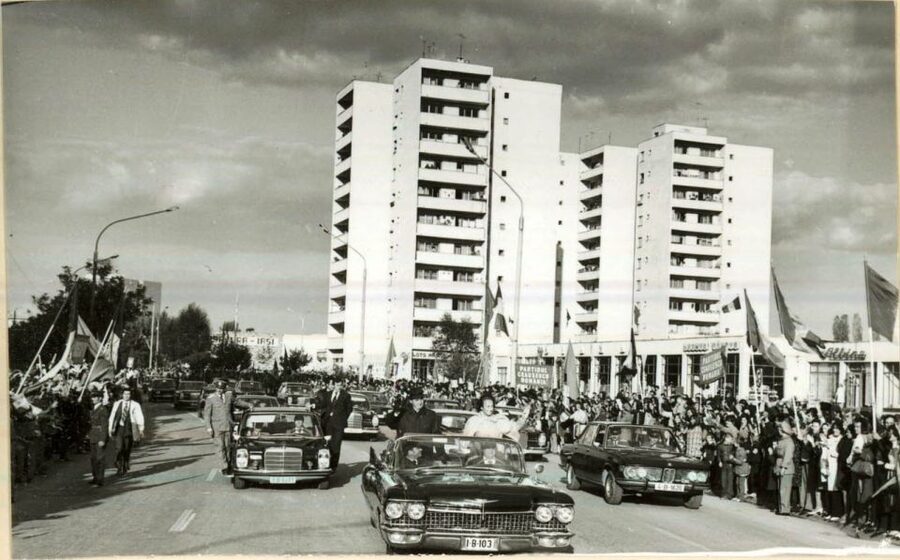
The Ceausescu Last Hours Museum receives about 25 minutes on the schedule. This is the stop that brings the route’s central story to a close.
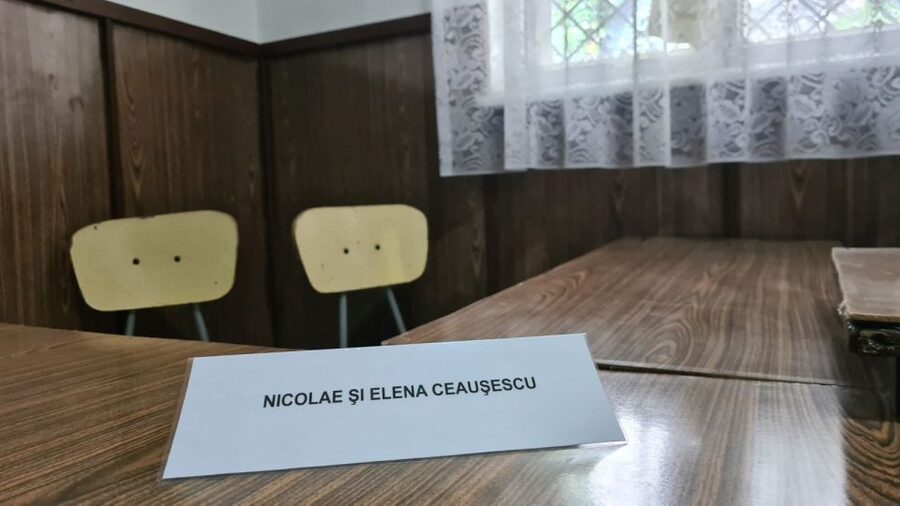
The museum visit focuses on the final stage after Ceausescu was captured. By then, he and Elena had lost the power they had tried to preserve. The tour explains where they were held and what happened before the execution on December 25, 1989.
I would expect this to be a compact visit rather than a large museum session. The value is its place in the route. You have just followed the failed escape, and now you reach the part where the flight ends in detention and judgment.
The building where Ceausescu was executed is not open inside because of renovation. That is important to know before booking. You can still visit the location and hear the story, but you should not expect to enter the execution room.
The tour presents difficult material, and the subject is not light entertainment. If you want only grand buildings and cheerful city sightseeing, this is not the right choice. If you want to understand the final hours of Romania’s communist president, the stop is central to the experience.
A few more Bucharest trips worth a look
- Bucharest: Palace of Parliament Tickets and Guide
★ 4.3 · 3,182 reviews - Bucharest: Palace of Parliament Tickets and Guided Tour
★ 4.4 · 1,877 reviews - Bucharest: Parliament Palace Skip-the-line Ticket
★ 4.2 · 1,518 reviews - Bucharest: City Highlights Guided Walking Tour
★ 4.9 · 1,482 reviews
Returning to Bucharest and entering Primaverii Palace
Back in Bucharest, the final major visit is Primaverii Palace, also called the House of Ceausescu. You receive a guided visit lasting about an hour, and admission is included.
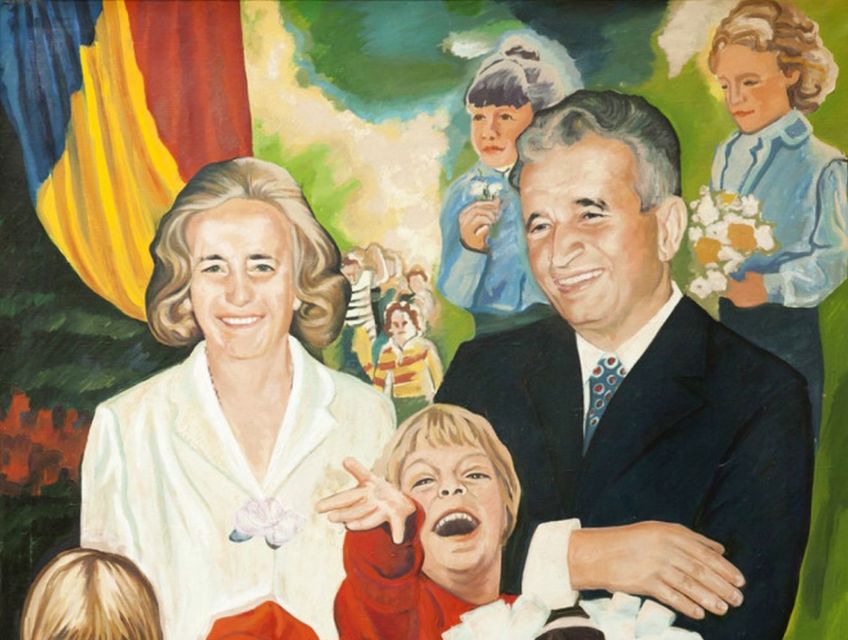
This residence gives you a different view of the Ceausescus. The earlier parts of the tour show political collapse, public anger, and a desperate flight. Primaverii Palace shows the private setting of the couple who directed Romania for decades.
I like placing this visit at the end. You first see what happened when Ceausescu lost control, then you see the home from which he had exercised that control. The contrast can make the earlier stops easier to understand.
The palace was the presidential residence where Nicolae and Elena lived from 1965 to 1989. The visit is not simply an extra attraction added to fill time. It helps you compare the public image of the regime with the protected domestic world occupied by its leaders.
You also get one of the best photo opportunities of the day here. The tour allows you to get out of the car at the main stops rather than viewing everything through the windows.
What the classic Dacia adds

The Dacia is a major reason to choose this experience instead of a standard history tour. Transportation in a classic car makes the trip feel tied to Romania’s recent past, rather than like a modern transfer between attractions.
You should keep expectations sensible. The car has been fully restored, and one direct account describes the ride as more comfortable than expected, but it is still a vintage vehicle. You will spend a meaningful part of the six-hour experience on the road, so anyone who needs a roomy modern car should think twice.
The group arrangement is private. Up to three people can ride in one car. If your party is larger than two, the operator may use a convoy of two or three cars. That keeps the experience small, but it also means the group may be split across vehicles while traveling between stops.
Water is provided in the car. There are toilet and lunch breaks, according to the tour details and direct experience provided, though lunch itself is not listed as an included item. Plan to pay for your own food.
The classic car also makes photography easier at the stops. You can get out, take pictures, and return to the route without the feel of a large coach group. I would bring a camera or phone with enough battery, since the car and the route are part of the visual appeal.
The guide and the storytelling
The guide is an important part of this experience. The tour is conducted in English, with a professional local guide and driver. Serban is specifically associated with the guiding team, and the direct comments about his work describe a friendly, personal approach that adjusts explanations to your interests.
That matters on a subject as complicated as the 1989 revolution. You need more than dates. You need to understand why Ceausescu left Bucharest, what he hoped to achieve, why he sought support, and how quickly those plans failed.
The guiding also appears to include practical help beyond the main tour. Serban is described as assisting with arrangements for a separate trip, which suggests a useful local contact if you need help with other plans in Bucharest. That is not a guaranteed part of every booking, but it is worth asking about politely.
A printed tour newspaper and a personalized gift are included. These are small extras, but they help give the experience a finished feel. The main value remains the guide’s explanation and the route itself.
Is $223 per person good value?
At $223 per person, this is expensive compared with a basic Bucharest walking tour or a group museum visit. It becomes easier to justify if you are traveling with one other person and want a private guide, hotel pickup, a restored Dacia, a long-distance route, museum visits, and a full day built around one tightly connected subject.
The price includes Bucharest hotel pickup and drop-off, transportation for about 180 kilometers, the English-speaking guide and driver, water, the tour newspaper, a personalized gift, and entrance to Primaverii Palace. The Ceausescu Last Hours Museum is also part of the scheduled route, though the supplied inclusion list specifically names the Primaverii admission.
I would not book this for simple sightseeing value. You are paying for access to a specialized story, a private format, and an unusual vehicle. The price makes the most sense for history-focused visitors, photographers, couples, and people who prefer a tailored day instead of a large coach tour.
For a solo visitor, the per-person cost may feel harder to absorb. For two or three people sharing a private experience, the personal attention and flexible conversation improve the value.
Timing, comfort, and who should book
The advertised duration is six hours, while the detailed route describes about five and a half hours. Treat it as a full half-day and keep some space around it in your schedule.
Pickup is included from Bucharest, and you should be ready 10 minutes before the agreed pickup time. Bring a passport or ID card. Pets, baby strollers, baby carriages, alcohol, and drugs are not allowed.
The tour is not suitable for children under 10. It is also listed as unsuitable for pregnant women, people with back problems, people with heart problems, and people over 70. These limits matter because of the vintage vehicle, the long drive, and the number of stops.
I would choose this tour if you have already seen Bucharest’s main sights and want a focused look at the end of communism. It also works well early in a Romania trip if the political history is a major reason for your visit.
I would skip it if you dislike long drives, have limited mobility, or want a relaxed palace and city-center day. The route is serious, the subject is grim, and the vehicle may be less comfortable than a modern sedan.
My verdict on the last days of Ceausescu tour
I recommend this experience for the right kind of visitor. Its best feature is the way it links the places together: Revolution Square, the helicopter escape, the search for support, the arrest, the final detention, and Primaverii Palace.
The restored Dacia is not a gimmick added to an ordinary tour. It helps you feel the difference between Ceausescu’s official power and the sudden, disorderly end of that power. The private format also gives you room to ask questions and follow the parts of the story that interest you most.
Book it if you want a serious, personal history tour and you can handle a long ride in an older car. Pass on it if you want a quick city overview or a polished sightseeing excursion. For history-minded visitors who want to understand how Romania’s communist era ended, this is one of Bucharest’s more distinctive half-day choices.
FAQ
How long does the tour last?
The advertised duration is six hours. The detailed route describes about five and a half hours, so you should plan for roughly a full half-day.
Where does the tour begin?
Pickup is provided in Bucharest. You should be ready 10 minutes before the scheduled pickup time.
Is the tour private?
Yes. It is offered as a private group experience.
How many people fit in one classic Dacia?
The tour states that three people can ride in one car. If more than two people are booked, the operator may use a convoy of two or three cars.
Is the tour conducted in English?
Yes. An English-speaking live guide is provided.
Does the tour visit Revolution Square?
Yes. Revolution Square is the first main sightseeing stop, with about 40 minutes for a guided visit and photographs.
Does the tour reach Targoviste?
Yes. The route travels toward Targoviste and includes the place associated with Ceausescu’s detention, judgment, and execution.
Can you enter the building where Ceausescu was executed?
No. The building is not accessible inside because it is undergoing renovation.
Is admission to Primaverii Palace included?
Yes. Entrance to the Primaverii Palace Museum is included, along with a guided visit of about one hour.
What should you bring?
Bring a passport or ID card. Water is provided in the car, and toilet and lunch breaks are made during the route.
Newest Bucharest trips on the site
- Winery touring & private wine tasting – one day private tour★ 5.0 · 3 reviews
- Bucharest: Dealu Mare Winery Private Trip with Wine Tasting★ 4.9 · 6 reviews
- Village Museum Bucharest Guided Tour★ 5.0 · 6 reviews
- Private Transfer from Giurgiu Port to Bucharest★ 4.5 · 12 reviews
- Airport Henri Coanda (Otopeni) to Bucharest – Private Transfer – Driver★ 5.0 · 5 reviews
- Salt Mine Tour from Bucharest with Entrance Ticket★ 4.5 · 19 reviews
- Wine tasting in Bucharest Old town – bonus cheese platter★ 4.5 · 6 reviews
- Walking tour of Bucharest★ 5.0 · 3 reviews
Communist History Tours, compared.


Bucharest Essential Tour: Old Town, Calea Victoriei & Communism
Read our review →
Communism in Bucharest – Landmarks, Museum & Communist Appetizers
Read our review →


Museum of Communism Ticket with Communist Coffee
Read our review →Browse the lists this tour appears in