
Reviewed · WALKING TOURS
Timișoara Highlights – Walking Tour
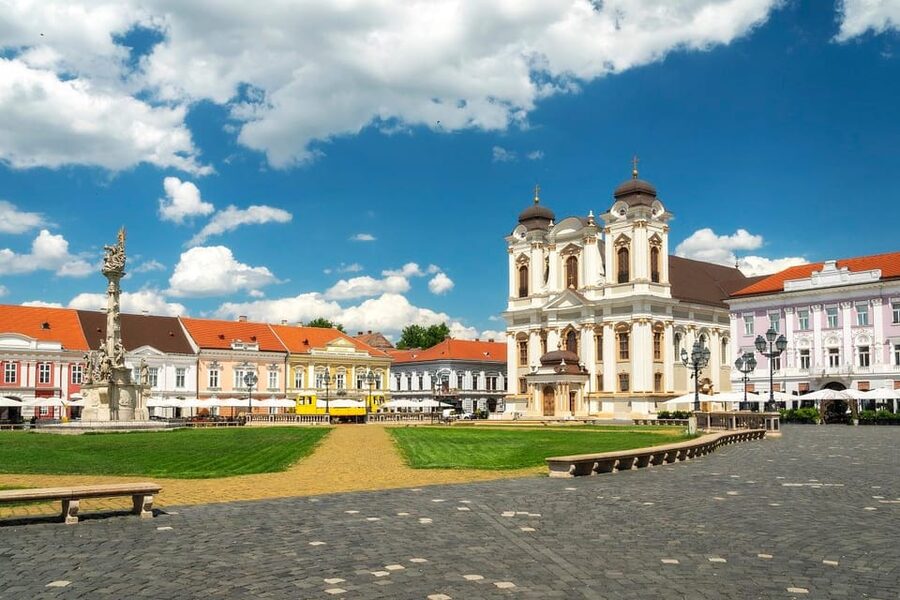
Timișoara’s story is unusually easy to read in its streets. In two hours, you move from Ottoman-era Liberty Square to Habsburg defenses, Jewish heritage, and the 1989 Revolution. The city’s past is not presented as one neat Romanian story, but as a meeting of cultures, rulers, and languages.
I like the private format, which gives Armand Iftode Mihai room to answer questions and adjust his explanations for your group. I also like the clear route through the old center, especially the move from medieval and imperial landmarks to the Revolution in Victory Square.
The main thing to consider is the pace. Two hours on foot is manageable for most people, but it is still a proper walking tour, not a quick ride between sights. You will not enter museums, so this experience is about streets, buildings, stories, and context rather than indoor collections.
Key points at a glance
- Seven centuries of cultural change: Hear how Ottoman, Habsburg, Romanian, Jewish, German, and other influences shaped Timișoara.
- A private tour with Armand: The guide leads in English, German, or Romanian and is especially good at mixing facts with local legends and practical answers.
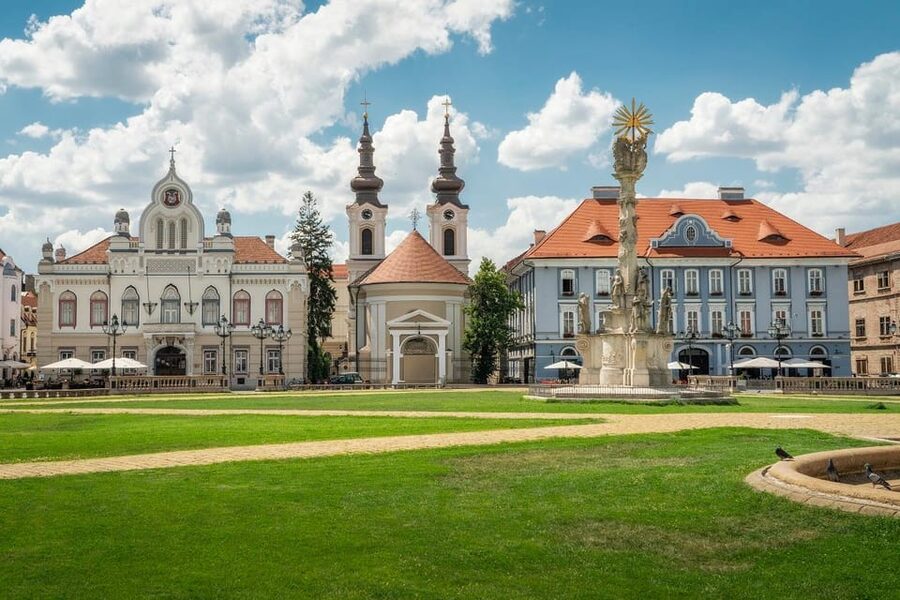
- A route built around major squares: Liberty Square, Saint George Square, Union Square, and Victory Square give the tour a clear shape.
- The 1989 Revolution gets proper attention: The final section in Victory Square connects the city center with modern Romanian history.
- No museum tickets are needed: The $35 price covers the walking tour and the planned outdoor stops.
- Comfortable shoes matter: The tour lasts two hours and is wheelchair accessible, but everyone in your group should be comfortable moving through the city center on foot.
Why Timișoara makes a good walking-tour city
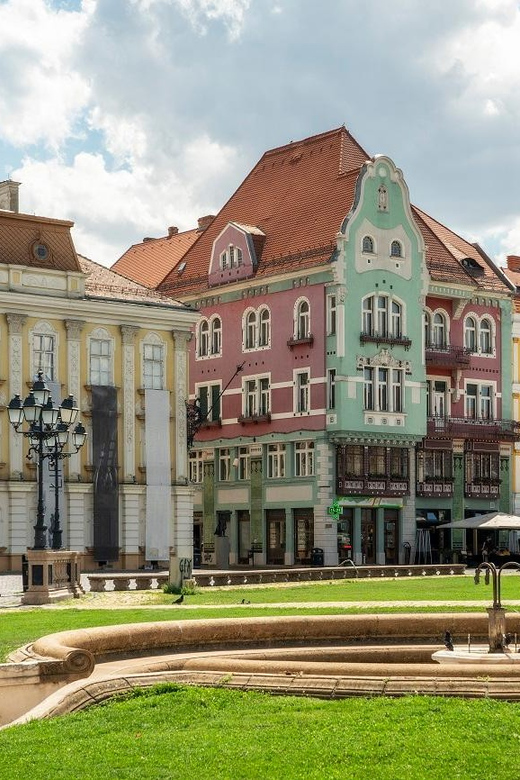
Timișoara rewards a guide who can connect places instead of simply naming them. The tour uses the old center as a kind of open-air history lesson, with each square marking a different chapter.
You hear about conquests, changing rulers, and revolutions while standing in the same streets where those events shaped daily life. The unusual feature is the attention to language and culture. The opening greeting in German, Romanian, Hungarian, and Croatian reflects the city’s long habit of living with several communities at once.
That matters because Timișoara can be hard to understand if you see only its attractive facades. The buildings are part of the story, but the bigger theme is change. Ottoman rule, the Habsburg period, Jewish life, and the fall of communism all appear along one compact route.
I would book this near the start of a stay. You will gain a useful map of the central area, then have the rest of your visit to return to the squares and buildings that caught your attention.
More walking tours in Timisoara:
- Timisoara All in One – Walking and Tram Tour
★ 5.0 · 72 reviews - Timisoara: Guided Walking Tour
★ 4.9 · 38 reviews - Timisoara: Classic Walking Tour
★ 5.0 · 26 reviews
Starting at Timișoara’s oldest building
The meeting point is at the oldest building in Timișoara. The available information does not identify the building by name, so you should check the exact meeting details when booking, but beginning there gives the tour a strong sense of place.
From this first stop, Armand sets up the broad story of the city. Expect an explanation of how Timișoara changed hands and absorbed different cultural influences over roughly 700 years.
This opening should suit you if you prefer context before sightseeing. Rather than rushing straight toward the most famous square, the tour starts with the city’s earliest surviving built evidence and works forward through time.
It is also a good point to ask questions. The private-group format means you can clarify names, periods, or details instead of saving everything for the end.
Liberty Square and the Ottoman period
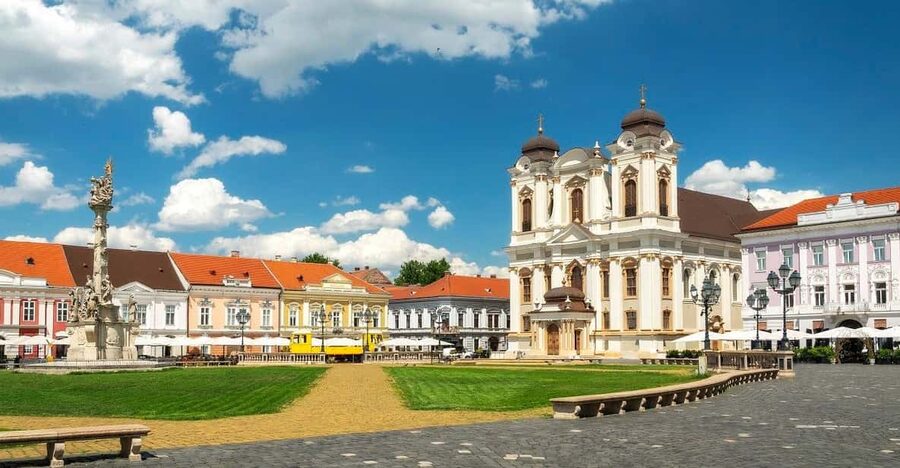
The route then moves toward Liberty Square, where the focus turns to the Ottoman period. This section is useful because it places Timișoara within the wider contest for control of the region, rather than treating the city as an isolated collection of monuments.
You will hear what the square was like under Ottoman rule and how the city’s identity changed through conquest. The tour description promises fun facts as well as major events, so expect a blend of broad history and smaller details.
Liberty Square also returns later in the route. That repeated visit is helpful: you first see it through the Ottoman chapter, then pass back through it after the Synagogue before moving to Victory Square. The route lets you connect different periods to the same urban space.
Do not expect a long stop inside a historic building here. This is an outdoor walking experience, and the value comes from the guide’s explanation of what you are seeing around you.
Saint George Square and the story behind the facts
Saint George Square is the place for lighter details and local color. Armand uses fun facts and personalities to keep the tour from becoming a list of dates.
That balance matters on a short tour. Two hours is not enough for a full academic account of Timișoara, but it is long enough to give you a framework and a few memorable human stories. Local legends can also help you remember a place after the tour has ended.
The tone appears to work well for mixed-age groups. Armand has answered questions from a 13-year-old in an accessible way, and a family with a 12-year-old also found the experience engaging. That does not mean every child will enjoy two hours of walking, but the guide can explain historical events without making the tour feel like a school lecture.
If you are visiting with children, set expectations before you go. The walking time is real, and very young children may not enjoy the full route.
A few more Timisoara trips worth a look
- The Classic Tour of Timisoara
★ 5.0 · 154 reviews - Weekly Guided Tour in English – Tuesday, Thursday, Saturday
★ 5.0 · 84 reviews - Danube Gorge & Banat Waterfalls
★ 5.0 · 27 reviews - The Grand Tour of Communist Ages at Timisoara
★ 5.0 · 17 reviews
The old city walls and the Habsburg chapter
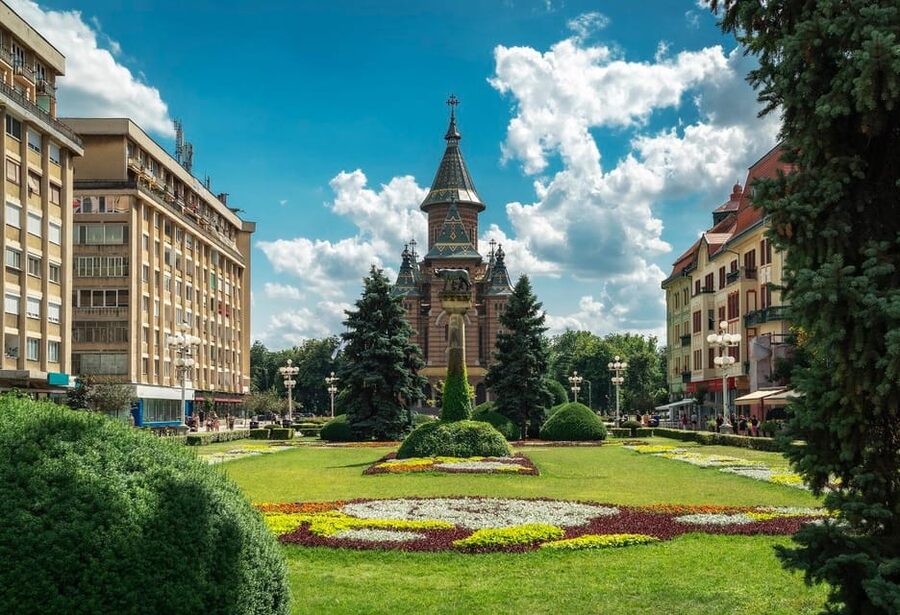
The next major shift comes with the old city walls and the Habsburg era. Here, you get a physical sense of how Timișoara was defended and reorganized under imperial rule.
Old walls are most useful when a guide explains their purpose. On your own, you might see only fragments or traces. With Armand’s context, you can connect those remains to military planning, conquest, and the changing shape of the city.
This part also shows why a walking route works better than a list of separate attractions. You are not simply told that one period followed another. You move through the city and see how power left marks on the ground.
The tour does not promise a long visit to a preserved fortification or a museum display. If military architecture is your main interest, you may want more time elsewhere after the tour. For a general introduction, though, the city walls provide a useful bridge between Timișoara’s Ottoman and later imperial chapters.
Union Square and Timișoara’s layered center
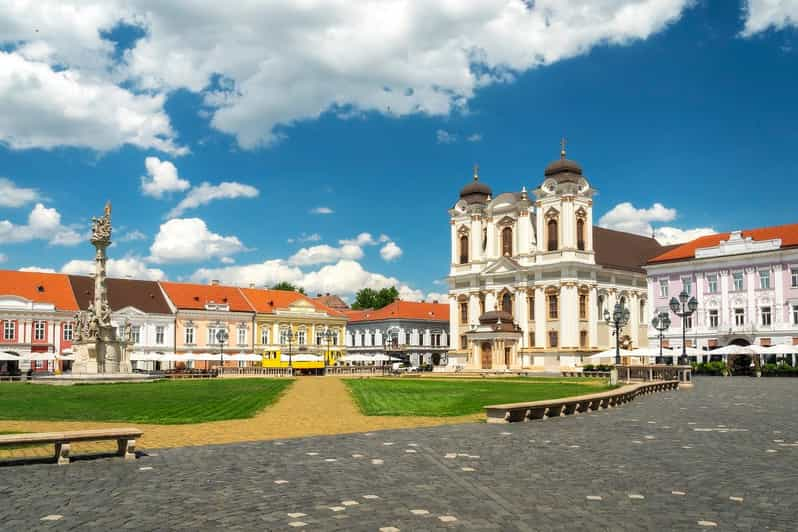
The route continues to Union Square, one of the central spaces that helps define Timișoara. The stop gives Armand another chance to discuss the city’s architecture, personalities, and changing communities.
This is where the tour’s cultural theme becomes especially clear. You are encouraged to notice more than the appearance of the square. Listen for the connections between the buildings, the groups that lived in the city, and the languages that were heard in Timișoara over the centuries.
Armand’s style, based on the available feedback, combines facts with anecdotes and local legends. That approach is valuable in a square filled with visual details. You can ask about a facade, a name, or an unusual feature and get an answer tied to the wider story.
The drawback is that the tour does not include museum admission. If you want to study interiors or spend time with objects, paintings, or archival material, you will need to plan a separate visit. This tour gives you the setting and background first.
The Synagogue and the city’s Jewish heritage
The Synagogue is an important stop because it widens the story beyond rulers and armies. It brings Jewish heritage into the route and reminds you that Timișoara’s past was shaped by communities as well as governments.
The supplied details do not promise entry inside the Synagogue, so expect to see and discuss it from the outside unless your booking information says otherwise. Even so, the stop adds needed depth to a tour that covers Ottoman and Habsburg rule.
I appreciate that the Synagogue appears as part of the main route rather than as an optional extra. It helps you see Timișoara as a city of several traditions, not simply a place marked by imperial architecture.
Because the tour moves at a steady pace, you may not have a long time for photographs or close architectural study at every stop. If you want detailed pictures, keep your camera ready and ask Armand when there is time to pause.
Back to Liberty Square, then forward to 1989
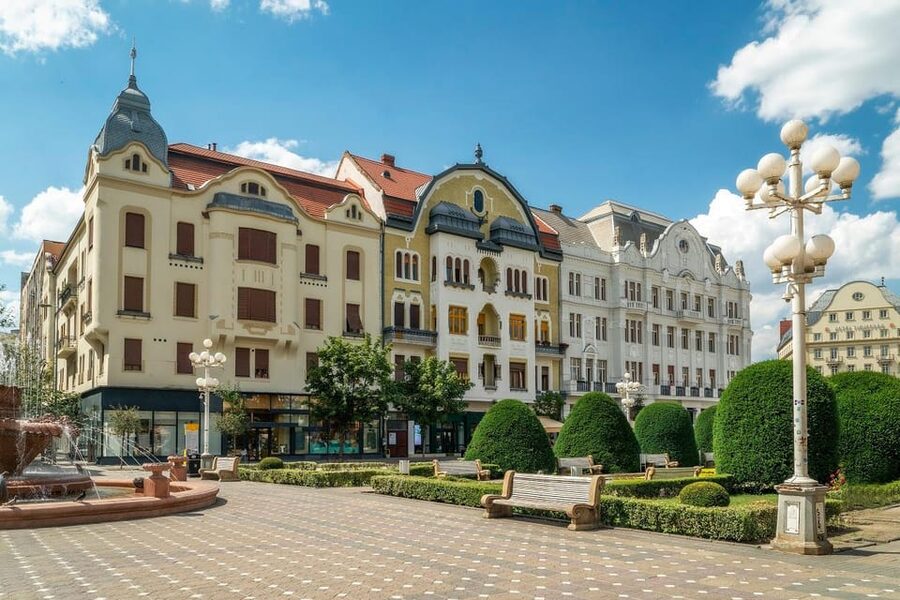
After the Synagogue, the group returns to Liberty Square. This second look gives the route a nice sense of connection. A place first discussed through the Ottoman period now sits within a much longer story of rule, community, and change.
The final major destination is Victory Square, where the focus shifts to the 1989 Revolution. This is one of the strongest parts of the tour because it brings the story into living memory.
Armand’s explanations of the Revolution have been singled out as a special part of the experience. That makes sense. The subject is not a distant chapter from centuries ago, and a good guide can help you understand why Victory Square matters to Romania’s modern identity.
You should expect discussion rather than a staged reenactment or a museum presentation. The square itself becomes the setting for the explanation. The tour connects the physical place with the events that happened there, making the final stop feel like a proper ending rather than just another photo opportunity.
Armand’s guiding style and language options
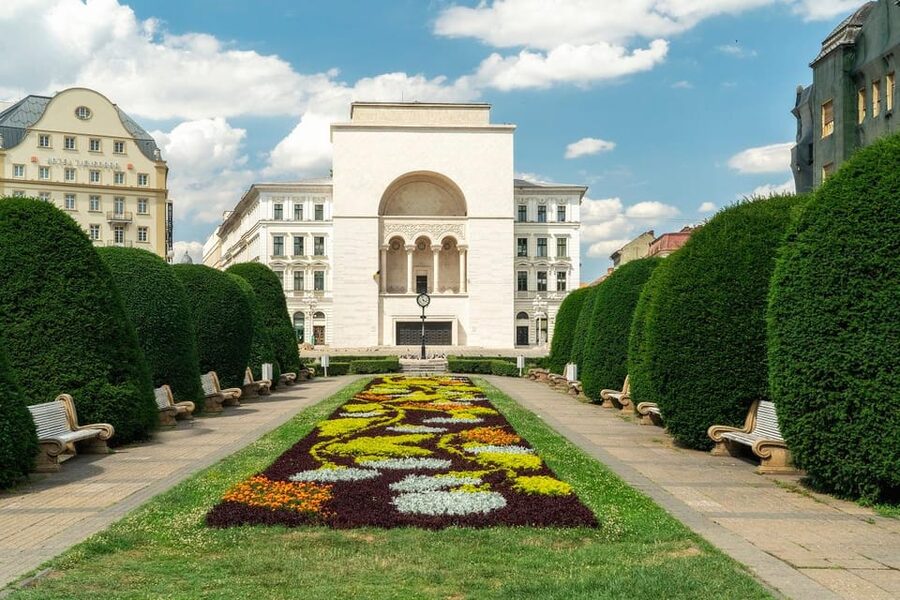
Armand Iftode Mihai leads the tour in English, German, or Romanian. His strongest reported qualities are clear explanations, humor, local stories, and the ability to answer practical questions about staying in Timișoara.
That last point is useful. A city guide can help you understand both the past and the place you are visiting now. Since the group is private, you can ask for suggestions or clarification during the walk rather than relying on a fixed script.
His German is described as excellent, which may matter if you prefer to discuss historical terms or ask questions in German. English and Romanian are also available, so confirm your preferred language when booking.
The guide seems particularly effective with families and mixed-age groups. He has adjusted answers for younger listeners without making the subject childish. At the same time, adults can ask detailed questions and receive more than a basic sightseeing talk.
Is $35 a fair price for two hours?
At $35 per person, the value depends on what you want from a city tour. You are paying for two hours with a live guide in a private group, not for transport, food, museum entry, or a full-day program.
I consider the price fair if you want a strong introduction to Timișoara’s central history. The route covers several major themes, and the private format adds flexibility that a large group tour may not offer.
The price is less appealing if you mainly want access to interiors. No museums are included, and there are no extra tickets because the planned experience stays outdoors. In that case, you would need to add your own museum visits and accept that this tour is only the first layer.
The best value comes when you use the tour as your orientation. You get the main squares, the old walls, the Synagogue, and the Revolution site in one compact walk. Then you can decide which places deserve a longer visit.
Walking comfort, access, and timing
The tour lasts two hours and is wheelchair accessible. You should still wear comfortable shoes and make sure everyone in your group can handle the full walking time.
The route stays in the city center, but the information does not specify exact distances, surfaces, rest stops, or the number of breaks. If mobility is a concern, contact the provider before booking and ask how the route can be managed for your group.
Older people and very young children are welcome, but the tour description gives a clear warning: everyone should be comfortable with two hours of walking. That is practical advice, not a minor footnote.
Starting times vary, so check availability for your date. Free cancellation is available up to 24 hours in advance, and you can reserve now and pay later. Those terms are useful if your schedule is still moving, but the central question remains your group’s walking ability.
Who will get the most from this tour?
I would recommend this tour to first-time visitors who want the city’s main story before exploring on their own. It also suits people who enjoy political history, architecture, local personalities, and stories about cultural change.
Families can do well here, especially with school-age children and teenagers who ask questions. The guide’s ability to explain the Revolution in an age-appropriate way is a real advantage.
German-speaking visitors should give this option extra thought because German is one of the available languages and Armand’s German has been praised as excellent. English and Romanian speakers have the same choice of a live guide.
You may want something else if you prefer a museum-heavy tour, a short route with very little walking, or a specialist study of one period. This experience covers a lot of ground, so it favors range and connection over intense detail at any one site.
Should you book Timișoara Highlights?
Book it if you want a private, two-hour introduction that connects Timișoara’s Ottoman, Habsburg, Jewish, and revolutionary past. The route is well chosen, and the final stop in Victory Square gives the walk a strong modern focus.
I especially like the combination of large historical shifts and small local stories. Armand’s humor, language skills, and willingness to answer questions make the tour more useful than a simple list of landmarks.
Skip it if your group cannot comfortably walk for two hours or if you expect museum entry and extended time inside historic buildings. For everyone else, $35 is a sensible price for a guided first look at the city center, with the added benefit of a private conversation about what you see.
FAQ
How long does the Timișoara Highlights Walking Tour last?
The tour lasts two hours.
What is the price?
The price is $35 per person.
Is this a private tour?
Yes. The activity is offered for a private group.
Which languages are available?
The live guide can conduct the tour in English, German, or Romanian.
Who guides the tour?
The guide is Armand Iftode Mihai.
Does the tour include museum entry?
No. The tour takes you around the city center and does not enter museums, so no extra museum tickets are needed.
Which places are included in the route?
The route includes Timișoara’s oldest building, Liberty Square, Saint George Square, the old city walls, Union Square, the Synagogue, and Victory Square.
Is the tour wheelchair accessible?
Yes, the tour is listed as wheelchair accessible.
What should I bring?
Bring comfortable shoes because the experience involves two hours of walking.
Can I cancel for a full refund?
Yes. You can cancel up to 24 hours in advance for a full refund. You can also reserve now and pay later.
Newest Timisoara trips on the site
- The Grand Tour of Communist Ages at Timisoara★ 5.0 · 17 reviews
- Timisoara Downtown Dream Tour★ 5.0 · 5 reviews
- Bite your way through Timisoara – Timisoara’s Street Food Tour★ 5.0 · 14 reviews
- The Jewish Heritage Tour of Timisoara★ 5.0 · 9 reviews
- Ecumenical Tour of Timisoara★ 5.0 · 15 reviews
- Nera Gorge National Park – Private Day Tour from Timisoara★ 4.5 · 4 reviews
- Timisoara: Private Walking Tour with a Local Guide★ 4.5 · 5 reviews
- Timisoara: Grand Communism Tour★ 4.9 · 13 reviews
Walking Tours, compared.
Ghost Stories & Romanian Mythology Walking Tour
Read our review →
Walking Tour- Delightful Bucharest (Highlights, Stories, Sights)
Read our review →
Browse the lists this tour appears in