
Reviewed · COMMUNIST HISTORY TOURS
Bucharest: Relics of Communism 3-Hour Walking Tour
Bucharest’s communist past is easiest to understand on foot, where grand boulevards, battered churches, apartment blocks, and the Palace of the Parliament form one large historical lesson. I like the way this tour begins at the exact place where Nicolae Ceausescu gave his final speech, and I like its attention to ordinary life, from ration cards and black-market shopping to school rituals and state propaganda. The small groups, limited to 10, also give you room to ask questions.
The main consideration is that this is a history-heavy walk, not a general sightseeing tour. You’ll cover several central Bucharest districts in three hours, with plenty of standing and walking. The Palace of the Parliament is viewed as part of the route rather than presented as a full interior visit, so book this for context and stories, not for a complete palace tour.
Key points to know before you book
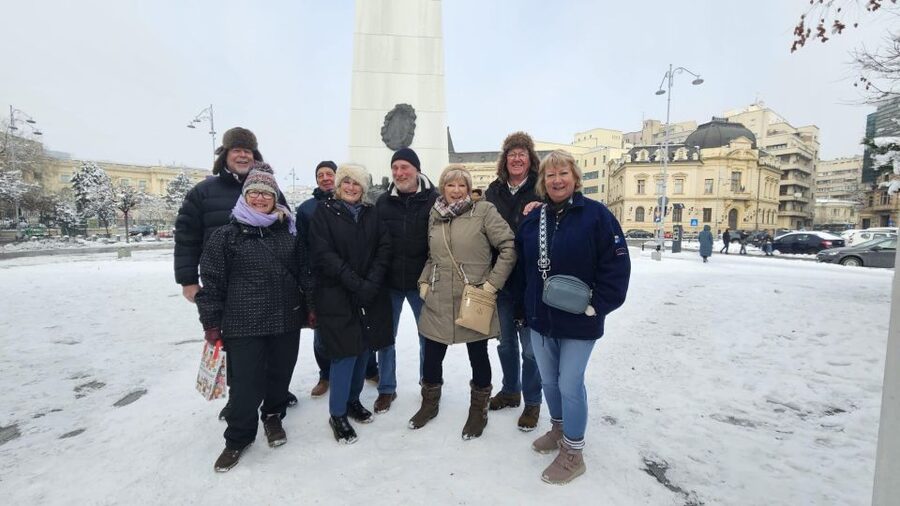
- Start at the Memorial of Rebirth: The tour opens in Revolution Square, beside the monument and the balcony tied to Ceausescu’s final public speech.
- Follow the 1989 Revolution: Your guide explains how the uprising began and how Romania moved from dictatorship toward democracy.
- See churches spared from demolition: The Michael the Voivode Church offers a sharp contrast to the communist rebuilding around it.
- Understand daily life under Ceausescu: Expect practical details about food shortages, ration cards, propaganda, surveillance, and the black market.
- Reach the Civic Centre and Parliament: The final section shows the scale of Ceausescu’s grand rebuilding plan and its cost to Bucharest.
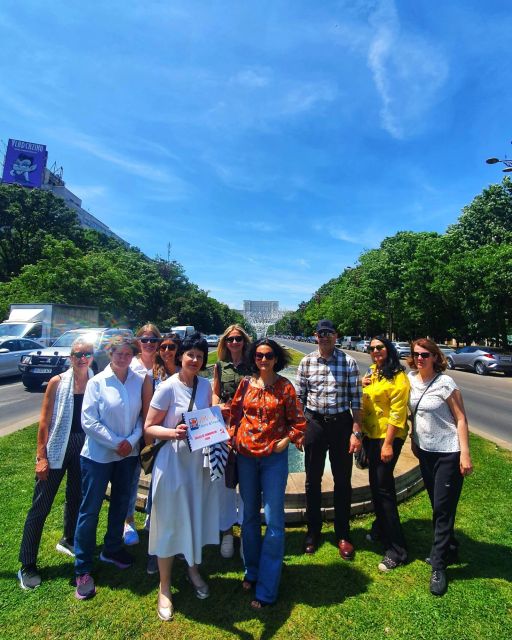
- Travel in a genuinely small group: With no more than 10 people and an English-speaking guide, conversation is easier than on a large city walk.
Why this Bucharest walk is different
Many Bucharest tours focus on elegant old buildings, café streets, and royal-era architecture. This one asks you to look at the city’s scars and contradictions. A graceful church may sit beside a concrete block. A broad ceremonial avenue may reveal more about political power than about urban comfort.
I find that approach useful because communism in Romania was not just a chapter in a textbook. It shaped where people lived, what they could buy, what they were allowed to say, and how the city itself was rebuilt. The guide connects those large political decisions with everyday details, which makes the architecture easier to read.
The experience is led in English, and past tours have featured guides including Elena, Stefan, and Tudor. The strongest guide reports describe a personal, patient style, with time for questions and extra photographs or objects that help explain the period. Guide assignments can change, so do not book on the assumption that one particular person will lead your group.
More Walking Tours in Bucharest
- Bucharest: City Highlights Guided Walking Tour
★ 4.9 · 1,482 reviews - Bucharest Highlights Walking Tour
★ 5.0 · 469 reviews - Bucharest: Ghost Stories & Romanian Mythology Walking Tour
★ 4.9 · 287 reviews
Revolution Square and the final speech
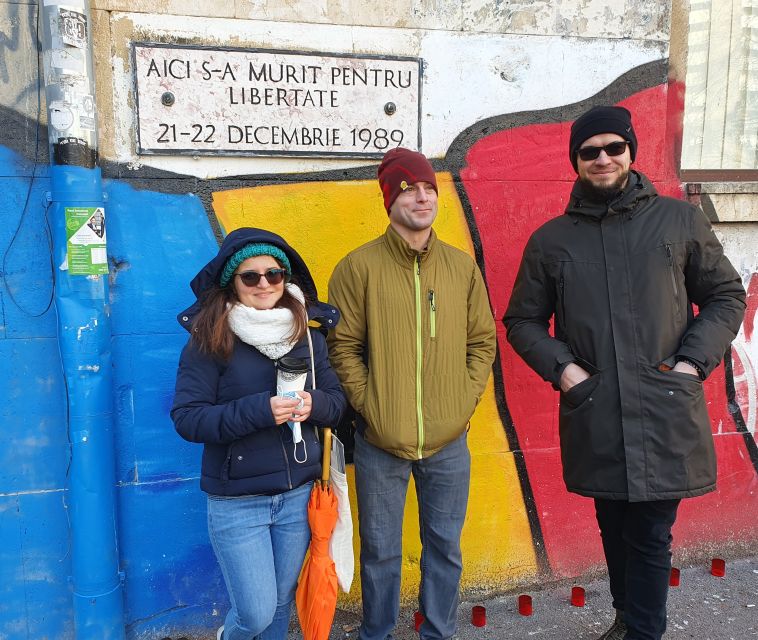
The meeting point is the Memorial of Rebirth in Revolution Square. This is a fitting place to begin because the square links Romania’s political past with the events of December 1989.
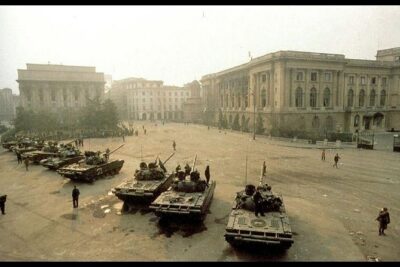
Here, the guide sets the scene for Ceausescu’s last speech. What began as a public show of authority became a moment of collapse when the crowd turned against him. You hear how the revolution unfolded in Bucharest and why this location matters in the country’s move away from one-party rule.
The 20-minute stop gives you time to take in the square rather than simply snap a photograph and move on. The focus is not only on famous leaders. You’ll also hear about the people in the crowd and the uncertainty of those days.
This is one of the best parts of the tour for visitors who know little about modern Romanian history. It gives the rest of the walk a clear timeline. Later buildings are no longer just concrete monuments. They become evidence of what happened before and after 1989.
Piața 21 Decembrie 1989 and the human story
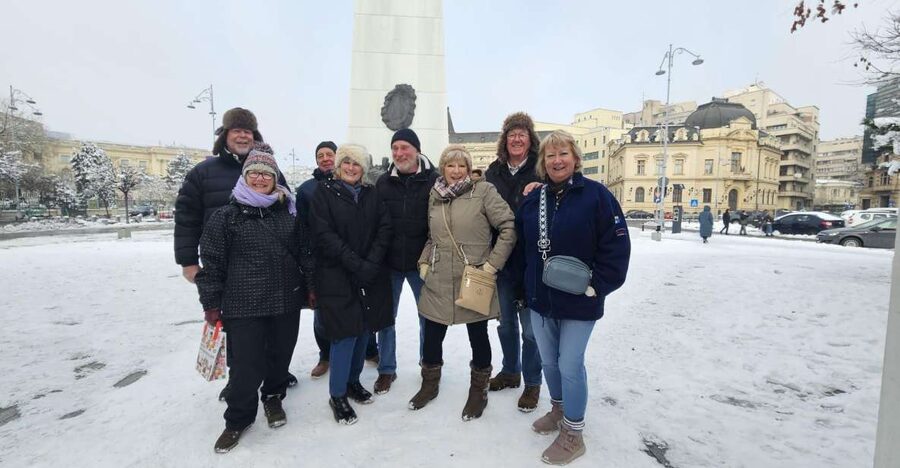
The next stop is Piața 21 Decembrie 1989, with about 15 minutes of guided explanation. The name itself points to the date associated with the revolution in Bucharest.
Expect this section to focus on the transition from fear to public protest. The guide explains the political setting and the events that turned the center of the city into a place of confrontation. This is also where questions can make the experience more personal. Previous sessions have allowed time for detailed discussion, and solo participants have especially valued being able to shape the conversation.
The subject can be emotional. Bucharest’s communist era ended within living memory, and some people on the tour may have family memories of it. A good guide needs to keep the facts clear without turning the walk into a political speech. The strongest accounts of Elena and the other guides point to a balanced approach, with attention to both the official story and the effects on ordinary people.
Michael the Voivode Church and the buildings that survived
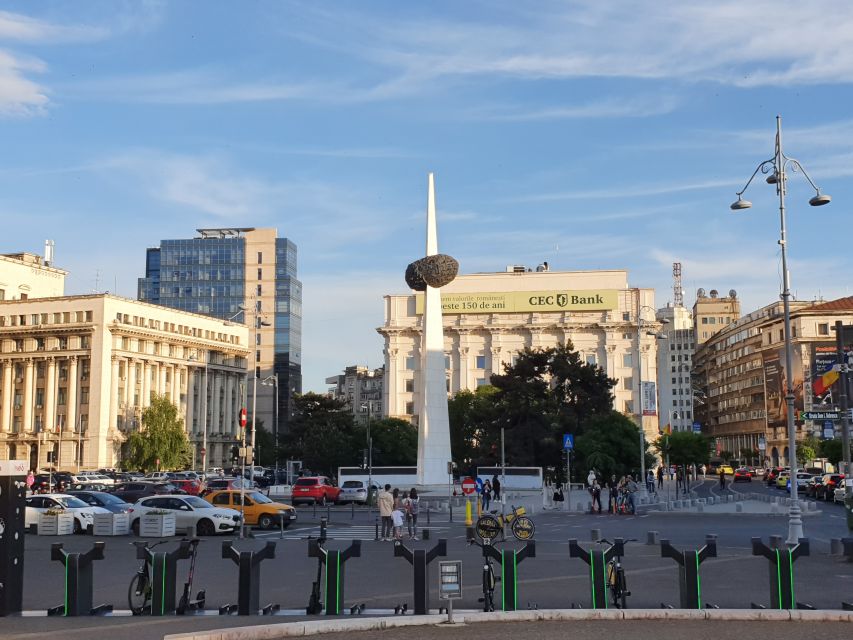
The walk then reaches the Michael the Voivode Church, where you spend roughly 15 minutes. This is a key change of mood. After the public squares and political drama, you see a place of worship that represents the older Bucharest the communist planners wanted to erase or hide.
The tour promises attention to churches that survived communist rebuilding. The point is not simply that an old church remains. It is the contrast around it. Religious buildings and older streets were often in the way of large-scale plans, while the state pushed a new visual order based on broad roads, heavy concrete, and official monuments.
You should think of this stop as a lesson in what is missing as much as what remains. The church helps you picture the former city beneath the later blocks and avenues. It also breaks up the architecture-heavy section with a quieter, more intimate place.
The itinerary names this church specifically, so do not expect a long series of church interiors. The tour is still a walking history route, not a religious architecture program.
More communist-era history walks in Bucharest:
- The Real tour of Communism
★ 5.0 · 666 reviews - Life under Communism
★ 5.0 · 358 reviews - 3-Hour Guided Tour of Communist Bucharest
★ 4.9 · 303 reviews - Bucharest Essential Tour: Old Town, Calea Victoriei & Communism
★ 5.0 · 142 reviews
Piața Unirii and the contrast between old and new
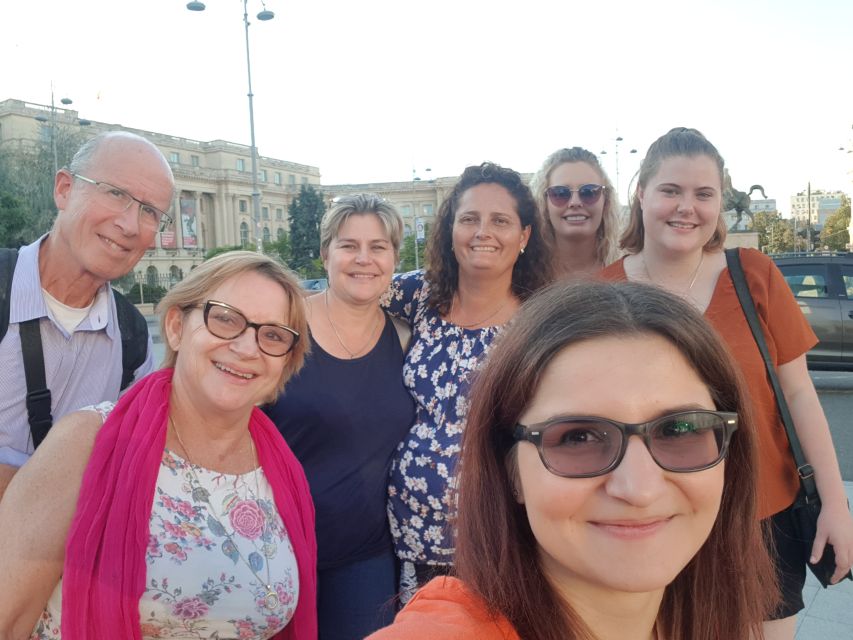
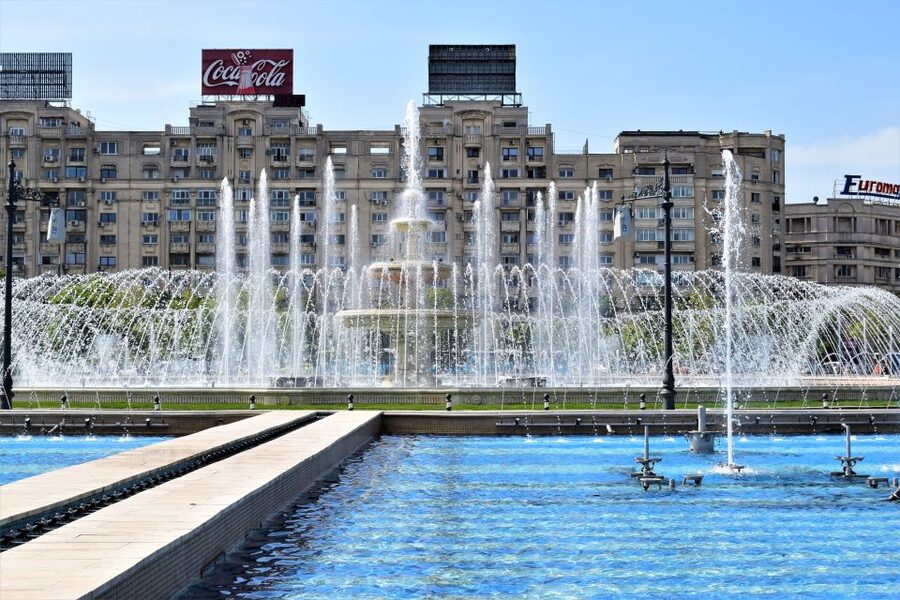
At Piața Unirii, the guide continues the story for around 15 minutes. This part helps you compare Bucharest’s older architectural character with the large-scale neighborhoods created or reshaped during communist rule.
The city does not fit neatly into old and new categories. You may see elegant facades, practical apartment blocks, wide traffic routes, and fragments of older streets in the same broad area. That mixture is precisely what makes the walk useful. Your guide gives the political reason behind the contrast instead of leaving you to guess why the city feels so uneven.
This is also a good point to notice how public space can be used to project power. Large open areas and straight routes make movement and ceremony easier, but they can also make a city feel less human. The tour explains the intentions behind the Civic Centre project and lets you judge the results for yourself.
The Palace of the Parliament and Ceausescu’s Civic Centre
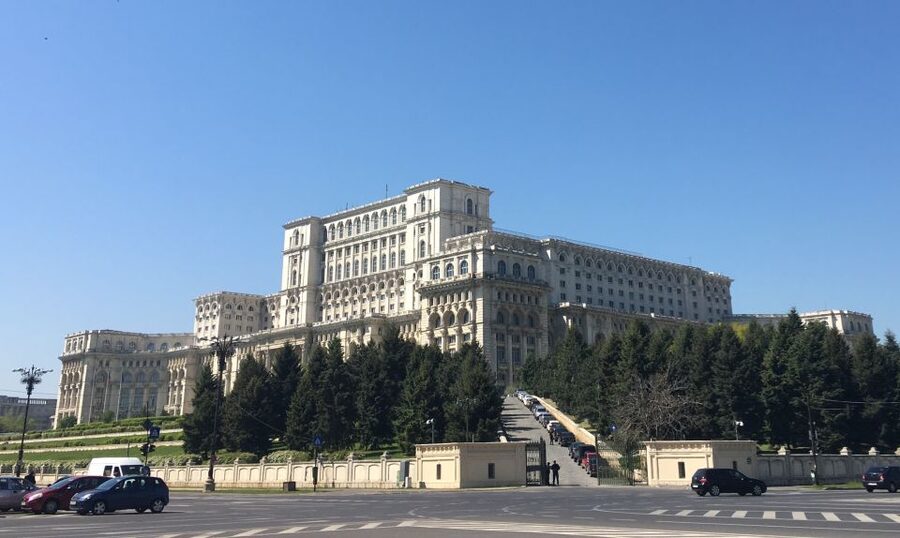
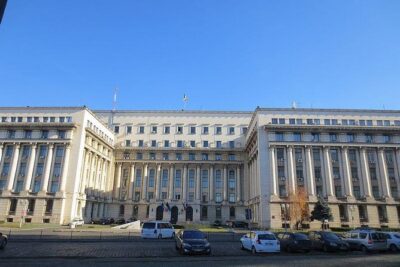
The biggest architectural stop comes at the Palace of the Parliament and the surrounding Civic Centre buildings. The guided explanation here lasts about 20 minutes, enough to discuss the project’s purpose and scale without pretending that the exterior tells the whole story.
Ceausescu wanted the palace to be the absolute center of power. Its size and position were meant to express the strength of the state and its leader. The nearby Civic Centre was part of the same plan, a sweeping reconstruction of central Bucharest that replaced large sections of the older city.
This is where the phrase Socialist realism becomes more than an architecture label. The buildings were designed to communicate order, authority, and permanence. Their scale can feel almost absurd beside the human cost of the project, and the guide connects the visual impact with the forced changes to Bucharest.
Do not confuse this stop with a full guided visit inside the Palace of the Parliament. The information provided for this activity describes the palace and Civic Centre as stops on the walking route. One past participant used the tour to understand a separate interior visit later, which is a sensible plan if you want to see the rooms inside.
The tour finishes at Piața Constituției. By then, you have crossed from the site of a dictatorship’s collapse to the grand public space it built for itself. That ending gives the walk a strong visual payoff.
What daily life under communism adds to the tour
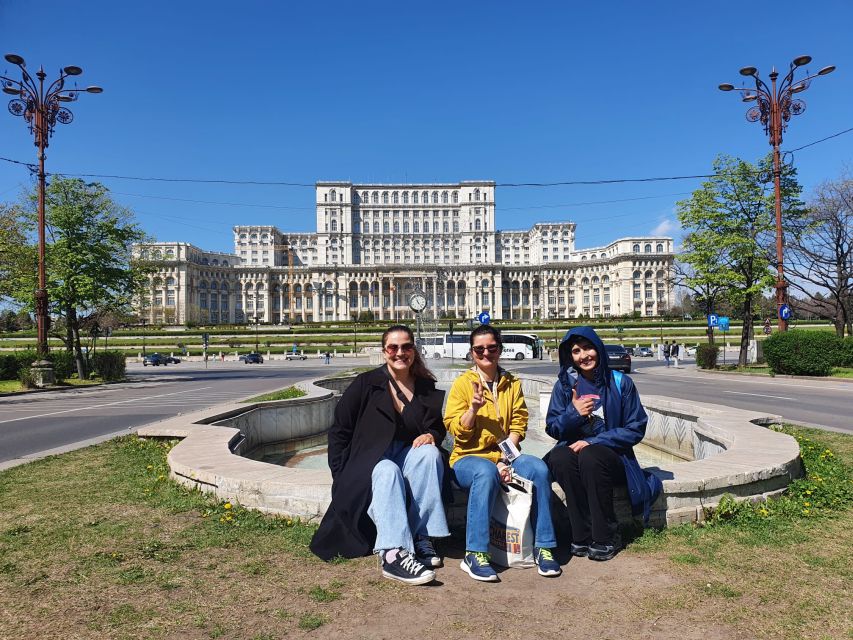
The most useful part of the experience may be the material about daily life. Political history can remain abstract until you hear how people obtained food, managed shortages, and dealt with official control.
Your guide discusses ration cards, the black market, propaganda, and the secret police. These subjects show how the system reached into kitchens, schools, workplaces, and private conversations. The stories also help explain why the revolution mattered beyond the fall of one leader.
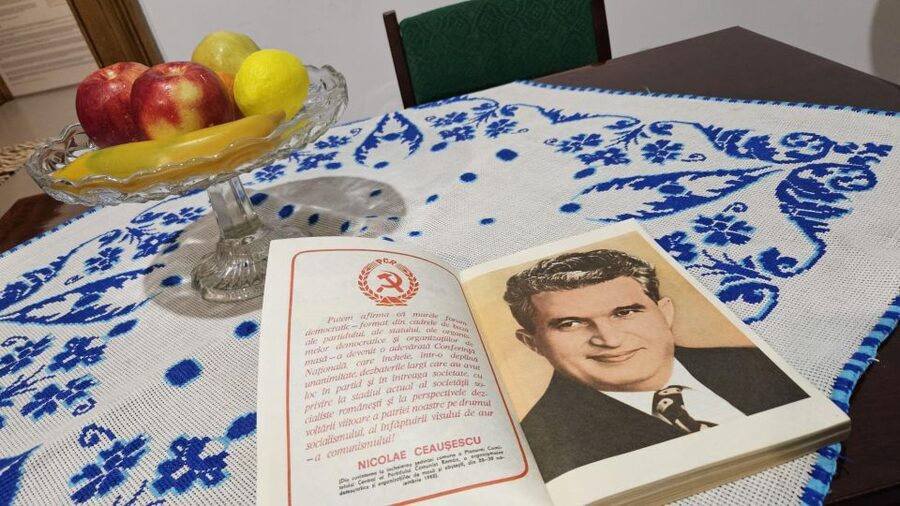
Some guides have brought old communist schoolbooks, a mandatory student scarf, photographs, and images showing Bucharest before and after major changes. These items are not guaranteed for every departure, but they show the kind of detail that can make the discussion easier to grasp.
The tour also leaves room for a balanced view. Romania’s communist period lasted more than 40 years, and people experienced it in different ways. A useful guide can explain both the official promises and the daily hardships, rather than reducing the era to a few familiar images of gray buildings and empty shops.
Pace, group size, and practical comfort
Three hours is a good length for this subject. A shorter walk could cover Revolution Square and the Palace but would have little room for daily life, churches, and questions. A longer tour might suit serious history fans, but three hours keeps the route manageable for a first visit.
The group is limited to 10 participants. That matters here because the best parts of the tour depend on conversation. You can ask what a particular building was used for, compare family memories, or request more detail about the revolution without trying to speak over a large crowd.
The pace has been described as leisurely, and some past departures ran beyond the advertised time when the guide had more to explain. Do not count on an extension, though. Plan for three hours and treat extra time as a possible bonus.
Wear comfortable shoes. This is a city walk with several stops, and the information is delivered outdoors along a route through central Bucharest. A small bottle of water is sensible, especially in warm weather. The experience includes a Romanian snack souvenir, but it does not include hotel pickup or drop-off.
What $44 buys you
At $44 per person, this is not the cheapest way to see Bucharest’s main sights. You are paying for a focused subject, a live English-speaking guide, a small group, and the chance to connect several locations into one story.
The value is strongest if you would otherwise look at the Palace of the Parliament, Revolution Square, and the city blocks without understanding their links. A standard sightseeing walk may show you these places, but this tour explains why they are there and what they meant to people living under the regime.
It is also good value for solo visitors. A past departure had only one participant and still ran as planned, allowing a relaxed conversation and plenty of questions. That cannot be guaranteed on every date, but the small-group format makes the experience more personal than a large coach outing.
The price is less convincing if you mainly want photographs or a general introduction to Bucharest. You may prefer a broader city tour first, then use this walk for a second look at the communist period.
Who should book this walk
I would choose this tour if you are interested in:
- The 1989 Revolution and Romania’s transition to democracy
- Communist architecture and city planning
- Personal stories about shortages, propaganda, and surveillance
- Places that are easy to miss without a local guide
- A small group with time for questions
- A serious but approachable introduction to Bucharest’s recent past
It also suits visitors who have already seen the old town and want a different side of the city. The route is less about polished attractions and more about reading Bucharest as a political document.
History fans can ask for extra detail. One past guide adapted the walk for a visitor interested in World War II, adding relevant material along the way. That kind of flexibility depends on the guide and group, but it is worth mentioning your interests at the start.
I would skip it if you dislike political history, prefer indoor attractions, or want a tour with transport between sights. The walk asks you to listen, compare, and think. That is its strength, but it may feel demanding if you want a light introduction.
Should you book the Relics of Communism tour?
Book it if you want to understand why Bucharest looks the way it does. The combination of Revolution Square, a surviving church, Piața Unirii, the Palace of the Parliament, and the Civic Centre gives you a clear three-hour route through Romania’s communist past.
I especially like the mix of public events and private life. You get the famous speech and the enormous palace, but you also hear about food, school, fear, and improvisation. The small group and strong record of personal, detailed guiding add real value.
Just keep your expectations precise. This is a walking history lesson, not a full interior tour of the Palace of the Parliament and not a broad survey of every Bucharest attraction. For the right visitor, $44 buys a sharper understanding of the city than a simple list of landmarks can provide.
FAQ
How long is the Bucharest Relics of Communism tour?
The walking tour lasts three hours.
What language is the tour conducted in?
The live guide conducts the tour in English.
Where does the tour begin?
You meet the guide at the Memorial of Rebirth in Revolution Square.
Where does the tour finish?
The tour ends at Piața Constituției.
Is the tour suitable for a small group?
Yes. The group is limited to 10 participants.
Is hotel pickup included?
No. Hotel pickup and drop-off are not included, so you need to reach the Memorial of Rebirth on your own.
What is included in the price?
The price includes the English-language walking tour and a Romanian snack souvenir.
More Three-Hour Outings in Bucharest
- Bucharest: 3-Hour Dark History Tour with a Local
★ 4.9 · 301 reviews - Bucharest: Alternative Sightseeing 2.5-3h-Hour Guided Tour
★ 4.9 · 80 reviews - Bucharest: 3-Hour Walking Tour
★ 4.9 · 77 reviews - Alternative Bucharest: 2.5-3 Hours Walking tour (Small groups)
★ 5.0 · 32 reviews
Newest Bucharest trips on the site
- Winery touring & private wine tasting – one day private tour★ 5.0 · 3 reviews
- Bucharest: Dealu Mare Winery Private Trip with Wine Tasting★ 4.9 · 6 reviews
- Village Museum Bucharest Guided Tour★ 5.0 · 6 reviews
- Private Transfer from Giurgiu Port to Bucharest★ 4.5 · 12 reviews
- Airport Henri Coanda (Otopeni) to Bucharest – Private Transfer – Driver★ 5.0 · 5 reviews
- Salt Mine Tour from Bucharest with Entrance Ticket★ 4.5 · 19 reviews
- Wine tasting in Bucharest Old town – bonus cheese platter★ 4.5 · 6 reviews
- Private Wine Tasting at Bucharest’s First Wine Bar★ 5.0 · 3 reviews
Communist History Tours, compared.
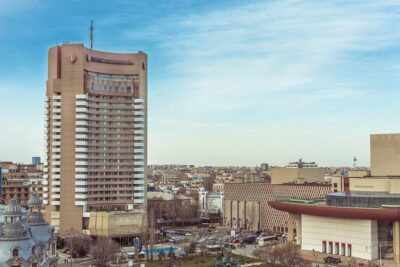
Bucharest Essential Tour: Old Town, Calea Victoriei & Communism
Read our review →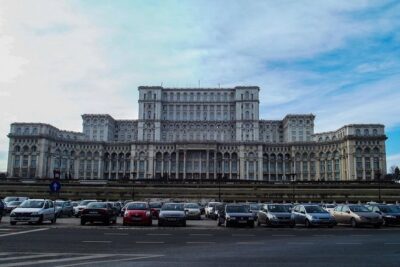
Communism in Bucharest – Landmarks, Museum & Communist Appetizers
Read our review →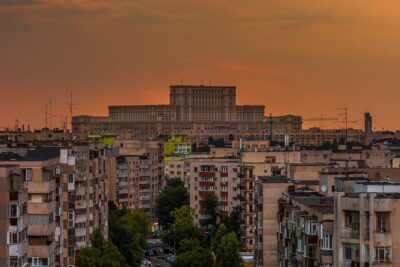


Museum of Communism Ticket with Communist Coffee
Read our review →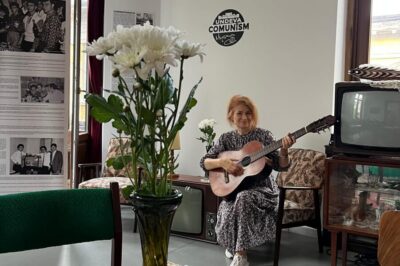
Dinner+Tour at Museum of Communism after closing
Read our review →Browse the lists this tour appears in