
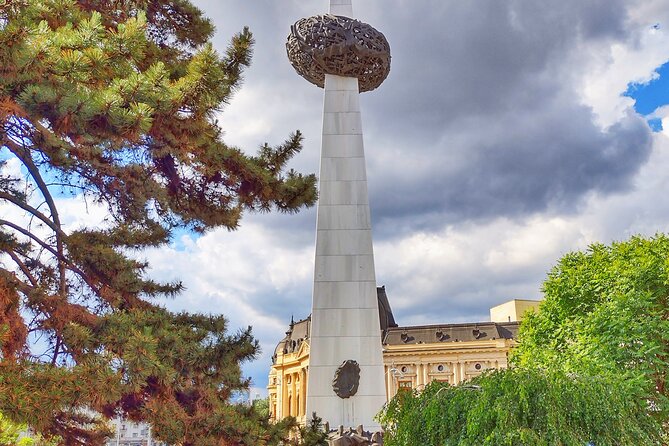
Reviewed · COMMUNIST HISTORY TOURS
Footprints of Bucharest: History, Communism & Urban Tales
Bucharest makes the most sense when you connect its grand royal buildings with the scars left by communism. This 2 to 3 hour small-group tour does that well, moving from the Romanian Athenaeum and Revolution Square to Old Town and the enormous Palace of Parliament. At night, the lit buildings give the route extra drama.
I like the personal touch. Toni has shared memories of communist childhood, including green bananas saved as a special Christmas treat. I also like the practical advice from guides such as Manuela and Marius, who have helped visitors choose places to eat and made time for photos. The main drawback is value: at $72.25 per person, this is not a cheap walking tour, especially since admission fees and food are extra.
Key points to know before booking
- Revolution Square gets serious attention: You spend about 45 minutes hearing how Ceausescu’s final speech ended and how the 1989 Revolution unfolded.
- The group is capped at eight people: That gives you a better chance to ask questions and hear the guide clearly.
- The route covers several sides of Bucharest: Royal architecture, communist-era planning, churches, cafés, old streets, and major museums all appear.
- Night lighting changes the mood: The Athenaeum, CEC Palace, and Parliament building are especially suited to an evening outing.
- The experience ends near Old Town: You finish at Piața Unirii, a useful place for dinner or further exploring.
- Expect stories, not museum visits: The emphasis is on exterior sights, walking, explanation, and local suggestions rather than paid interior access.
Why this Bucharest walk works as an introduction
Bucharest can feel scattered at first. A grand concert hall may sit near a communist monument, while a quiet eighteenth-century church appears just a few streets from busy cafés. This route helps you make sense of those sharp changes.
You begin at Strada Benjamin Franklin 2, near the Romanian Athenaeum, and finish at Union Square. That direction is useful. You start with the city’s royal and cultural face, then move through its political past and into the Old Town entertainment district.
The pace is fairly full. The listed stops add up to a little over two hours, before time spent walking between them and pausing for questions. You should expect a steady outing rather than a slow photography session. Still, the small group limit of eight should make it easier to ask for a pause or clarification.
The tour is offered in English and includes a certified guide plus printed presentation materials. Guides named in the experience include Toni, Manuela, Marius, and Maurice. The strongest pattern is a guide-led history walk with room for conversation, not a scripted procession from one photo stop to the next.
More Historical Tours in Bucharest
- Bucharest: 3-Hour Dark History Tour with a Local
★ 4.9 · 301 reviews - Bucharest: Small Group History, Art & Secrets Tour
★ 4.7 · 152 reviews - Guided Walking Tour of Historical Bucharest
★ 5.0 · 84 reviews
The Romanian Athenaeum and Bucharest’s royal face
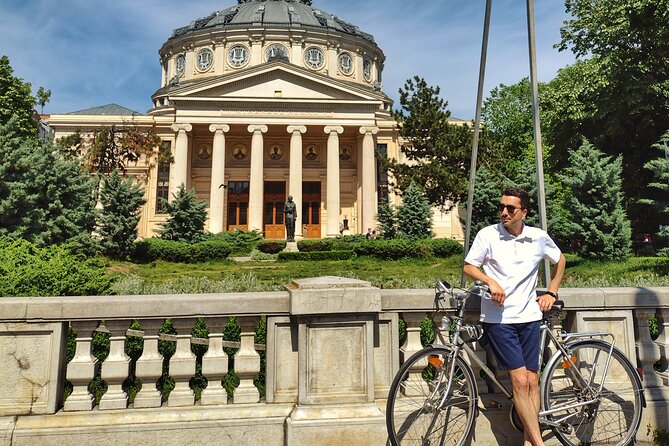
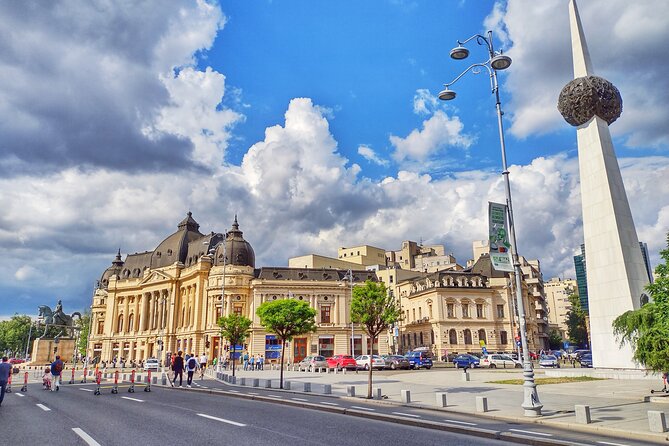
The Romanian Athenaeum is a fine place to begin. Its design recalls an ancient Greek temple, and it remains one of the city’s most recognizable buildings. You spend about 15 minutes here, enough to take in the façade and get a sense of Bucharest’s nineteenth-century ambition.
The short stop works because the building is visually clear. You do not need a long lecture to understand why it matters. The guide can set up the city’s cultural and royal connections before the route turns toward Revolution Square.
Next comes the Central University Library, built in an eclectic style by French architect Paul Gottereau with support from King Carol I. The equestrian statue of Carol I sits in front, giving the stop a useful link between architecture, monarchy, and public memory.
The former Royal Palace follows. Built as the winter residence of Romania’s kings and dated to 1937, it was developed under Queen Maria and her son, King Carol II. You only spend around 10 minutes here, so expect an exterior explanation rather than a full palace visit.
I like this opening because it prevents Bucharest’s story from being reduced to communism alone. You see the city as a royal capital and European cultural center before hearing how much that image changed in the twentieth century.
Revolution Square and the end of Ceausescu
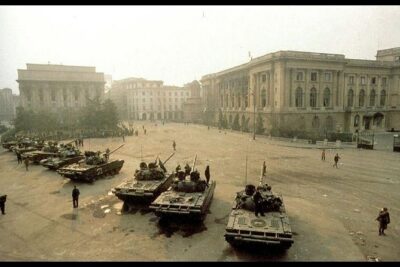
Revolution Square is the core of the experience. The listed time here is about 45 minutes, much longer than at any other single stop. That tells you where the tour’s main historical weight lies.
This is where former communist president Nicolae Ceausescu gave his final speech in 1989. The guide uses photographs and video presentations to explain the Revolution days. That visual material matters because the square can otherwise seem like another broad city space. The images help you connect the buildings and streets with the public protests that brought down the regime.
This is also the point where personal stories can make the history easier to grasp. Toni has spoken about growing up under communism and recalled how green bananas were a rare Christmas treat. It is a small detail, but useful history often works this way. A shortage becomes more understandable when you can picture the importance of one piece of fruit.
Maurice has also focused on daily life under communism and the changes Bucharest has made since then. You should expect a serious discussion, but not a purely political lecture. The best part of this stop is the connection between official events and ordinary life.
The route also passes along Bucharest’s most elegant avenue, lined with major buildings and monuments. The name is not clearly supplied in the tour details, so you should treat this as a scenic connecting section rather than a separate destination. It gives you a better sense of the city’s scale and its mix of monumental architecture.
The Palace of Parliament from the outside
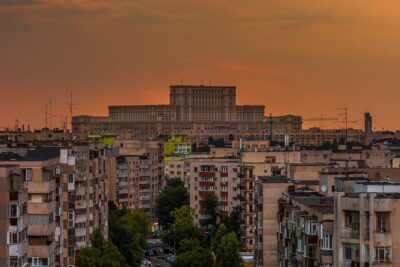
The Palace of Parliament is one of the tour’s biggest visual moments. Construction began in 1984, during Ceausescu’s rule. The building is described as the heaviest in the world and the third-largest administrative building, with a volume said to exceed the Great Pyramid of Giza by 2 percent.
You admire it from outside and hear the story behind its construction. That is important for setting expectations. Entrance is not included, and this experience does not promise an interior visit. The exterior alone is enough to show the size and force of the project, but you should book a separate visit if seeing the inside is a priority.
The building is often called a pharaonic project because of its scale. The phrase makes sense once you see its broad mass and formal design. A guide can also explain how the project fits into the wider story of communist power, forced urban change, and Ceausescu’s desire for monumental control.
At night, the illuminated façade should make this stop especially striking. Still, lighting cannot soften the political meaning. The value here comes from hearing why the building exists, not just taking a large-scale photograph.
More communist-era history walks in Bucharest:
- The Real tour of Communism
★ 5.0 · 666 reviews - Life under Communism
★ 5.0 · 358 reviews - 3-Hour Guided Tour of Communist Bucharest
★ 4.9 · 303 reviews - Bucharest Essential Tour: Old Town, Calea Victoriei & Communism
★ 5.0 · 142 reviews
Old Town, Stavropoleos, and a sharp change in mood
After the major political sights, the route shifts into Bucharest’s Old Town. You walk through an area filled with cafés, pubs, restaurants, and nineteenth-century buildings. The listed stop lasts about 15 minutes, followed by shorter visits along several streets and passages.
This is where the outing becomes more useful for the rest of your stay. Manuela has shared tips about places to eat, while Marius has offered local food and drink suggestions during the walk. Those details can save you from choosing a restaurant at random after the tour.
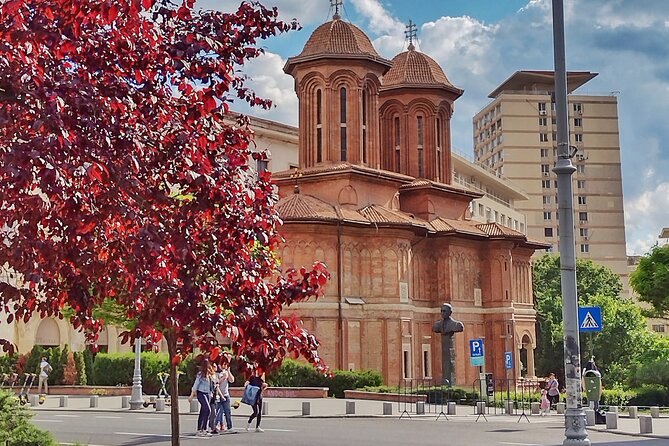
Stavropoleos Monastery is one of the most memorable stops. Dating from 1724, this old church offers a quieter architectural pause among the commercial streets. The word hidden is often overused for attractions like this, but the contrast is real: one moment you are among cafés and nightlife, and the next you are looking at a small historic religious site.
You spend about 10 minutes there. That is enough for an explanation and a look around, but not a long religious or art-historical visit. Dress and behave respectfully, since it remains a church rather than simply a photo stop.
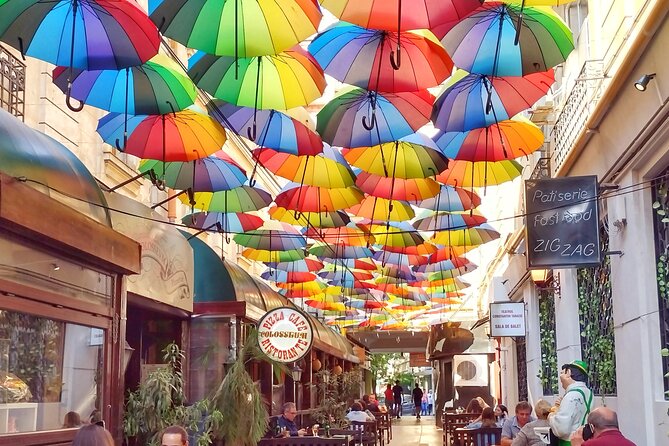
Macca-Villacrosse Passage adds another change of pace. Its glass roof and hookah cafés make it one of the more atmospheric corners of the route. The stop is only about five minutes, so you will not have time for a long café break during the guided walk. Think of it as a quick introduction, with the option to return later.
Lipscani, Carturesti Carusel, and the city’s details
Lipscani provides a short stroll along one of the Old Town’s best-known streets. The route then reaches Carturesti Carusel, a renovated bookshop that sells Romanian souvenirs and gifts.
The bookshop is a practical stop if you want a small present or a Romanian item that feels more considered than a generic souvenir. The tour allows about 10 minutes, so you can look around, but you should not expect a relaxed shopping session.
The CEC Palace comes next, with its nineteenth-century architecture and large decorative statues. The stop lasts around five minutes. This is a quick look at a building that rewards attention to detail, especially if you enjoy domes, ornament, and formal façades.
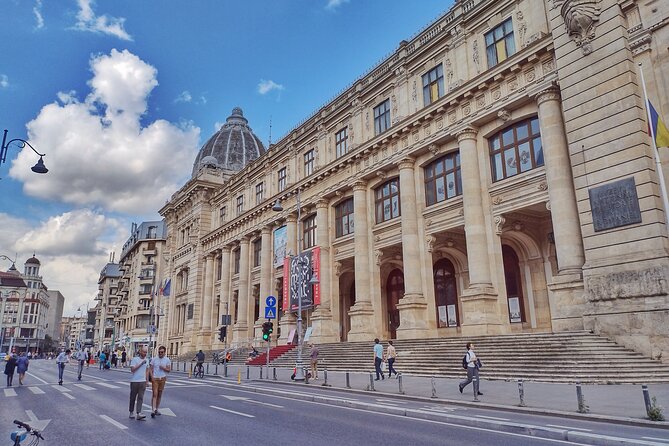
The route also passes the National Museum of Romanian Art, located in the former Royal Palace, and the National Museum of Romanian History, housed in the former nineteenth-century Post Office Palace. Both are brief exterior stops of about five minutes.
Entrance to the National Museum of History is not included. More broadly, the tour does not include entrance fees, so you should not expect to go inside the museums or other paid sites as part of the standard price. If you want interior visits, ask the operator before booking or plan them for another time.
The National Library of Romania is another short stop in the Old Town area. Together, these final buildings help you see Bucharest as a city of institutions, courts, libraries, post offices, and royal residences, not only a nightlife district.
What the small group changes
A maximum of eight people is a real advantage here. Bucharest’s streets can be noisy, and a large group would make it harder to hear stories at Revolution Square or ask about a building without holding everyone up.
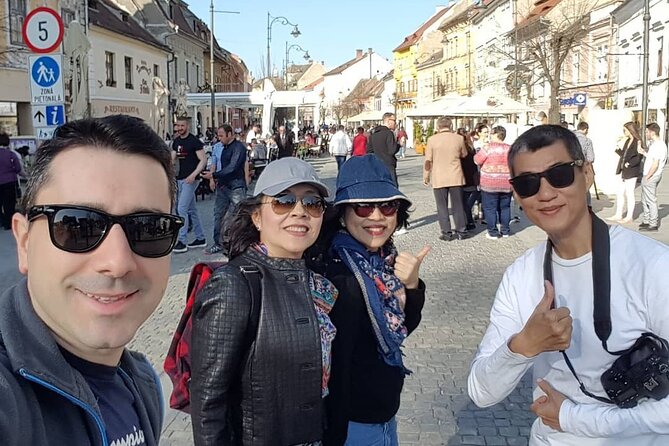
The small format also suits the personal style of the guides. Toni, Manuela, Marius, and Maurice have been described through the experience as patient, friendly, and able to answer questions in English. One outing with Toni became a private experience when only two people were booked, and rain led him to drive them around in his car. That is a useful sign of flexibility, though you should not assume a car transfer is part of every booking.
Marius has also communicated clearly before meeting guests and helped make the meeting point easy to find. That matters because the starting address is specific, at Strada Benjamin Franklin 2, while the route ends at Piața Unirii.
The group size does not remove every practical concern. You will still be walking for up to three hours and should have moderate physical fitness. The experience is near public transportation, and service animals are allowed, but no detailed accessibility information is provided.
Is $72.25 a fair price?
At $72.25 per person, this is priced above a basic city orientation walk. You are paying for a certified English-speaking guide, a small group, printed materials, historical explanation, and local suggestions. The 45-minute focus on Revolution Square gives the experience more substance than a quick monument checklist.
The cost is easier to justify if you are new to Bucharest, have only a short stay, or want one outing that combines royal buildings, communism, Old Town, and the Palace of Parliament. It is less attractive if you mainly want free sightseeing or already know the city well.
Remember that food, drinks, and entrance fees are extra. The listed stops are mainly exterior visits, so the price is not buying museum admission. You are paying for context and a guided route.
Group discounts may reduce the cost for larger bookings. The experience is commonly booked about 31 days ahead, so planning early makes sense if you need a particular date or time, especially for an evening outing.
Practical details before you go
You can choose among several tour times, including night options. Evening is likely the best fit if you want illuminated buildings, but check the available departure times when booking rather than assuming every time slot is after dark.
The tour starts at Strada Benjamin Franklin 2 in Bucharest and ends at Piața Unirii, close to Old Town. That finish is handy for continuing into the restaurant and café district, or for using public transportation.
Confirmation is provided at booking. Cancellation is free until 24 hours before the start time. Changes or cancellations inside that window are not accepted for a refund. The experience requires good weather and a minimum number of participants, so a weather or minimum-group cancellation may lead to another date or a full refund.
Bring comfortable shoes and allow time for photographs. The route has many short stops, and the guide’s explanations are part of the value. If you spend every pause taking pictures, you may miss the connections between the buildings.
Who should book this Bucharest tour?
I would choose this experience if you want a first look at Bucharest with a clear focus on the city’s political past. It suits visitors who prefer stories and local advice to a long museum visit.
It is also a good match for anyone curious about daily life under communism. Toni’s childhood memories and Maurice’s focus on communist life suggest the guides can move beyond dates and names into ordinary details.
You may want something else if you dislike walking, want extensive interior access, or are looking for a low-cost free tour. The route is full, the price is fairly high, and admission fees are not included.
FAQ
How long does the tour last?
The tour lasts approximately 2 to 3 hours.
What language is the tour offered in?
The tour is offered in English.
How many people can join the tour?
The group has a maximum of eight travelers.
Where does the tour start?
The meeting point is Strada Benjamin Franklin 2, București 030167, Romania.
Where does the tour end?
The tour ends at Piața Unirii, close to Bucharest’s Old Town area.
Is the Palace of Parliament entrance included?
No. The tour includes an exterior visit and an explanation of the building, but entrance fees are not included.
Are museum tickets included?
No. Entrance fees are not included. The route passes the National Museum of Romanian History and other major buildings, with several stops focused on their exteriors.
Does the tour include food or drinks?
No. Food and drinks are not included.
Is the tour available at night?
Yes. A night tour is offered as one of the highlights, allowing you to see Bucharest’s buildings lit up. Several tour times are available.
Can I cancel for a full refund?
Yes, if you cancel at least 24 hours before the experience start time. Poor weather or failure to meet the minimum number of participants may also lead to another date or a full refund.
Should you book Footprints of Bucharest?
Book it if you want Bucharest explained in one compact outing, especially the link between royal architecture, the 1989 Revolution, communist life, and today’s Old Town. The small group, English-speaking guides, personal stories, and dining tips add real value.
Skip it if you want a cheap walk, long museum visits, or a tour built mainly around interior access. At $72.25, the price asks you to value the guide’s stories and the carefully connected route. For a first Bucharest visit, that can be a fair trade, particularly on an evening when the city’s monuments are lit and the political past feels close at hand.
More History Tours Around Bucharest
- Bucharest Jewish Heritage | Holocaust Memorial | Private Car Tour
★ 5.0 · 38 reviews - Private Bucharest: History & Food with Traditional Meal
★ 5.0 · 34 reviews - Bucharest Historical Food Tour in Old Center
★ 5.0 · 21 reviews - Half-Day Jewish Heritage Walking Tour in Bucharest
★ 5.0 · 20 reviews
Newest Bucharest trips on the site
- Winery touring & private wine tasting – one day private tour★ 5.0 · 3 reviews
- Bucharest: Dealu Mare Winery Private Trip with Wine Tasting★ 4.9 · 6 reviews
- Village Museum Bucharest Guided Tour★ 5.0 · 6 reviews
- Private Transfer from Giurgiu Port to Bucharest★ 4.5 · 12 reviews
- Airport Henri Coanda (Otopeni) to Bucharest – Private Transfer – Driver★ 5.0 · 5 reviews
- Salt Mine Tour from Bucharest with Entrance Ticket★ 4.5 · 19 reviews
- Wine tasting in Bucharest Old town – bonus cheese platter★ 4.5 · 6 reviews
- Walking tour of Bucharest★ 5.0 · 3 reviews
Communist History Tours, compared.
Bucharest Essential Tour: Old Town, Calea Victoriei & Communism
Read our review →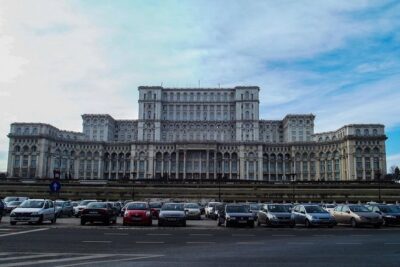
Communism in Bucharest – Landmarks, Museum & Communist Appetizers
Read our review →


Museum of Communism Ticket with Communist Coffee
Read our review →Browse the lists this tour appears in